What Happens After You Cause an Accident
Your insurer pays the other side's damages up to your limits, you likely pay a deductible, and your rates may rise at renewal.
Rear-ending someone at a light
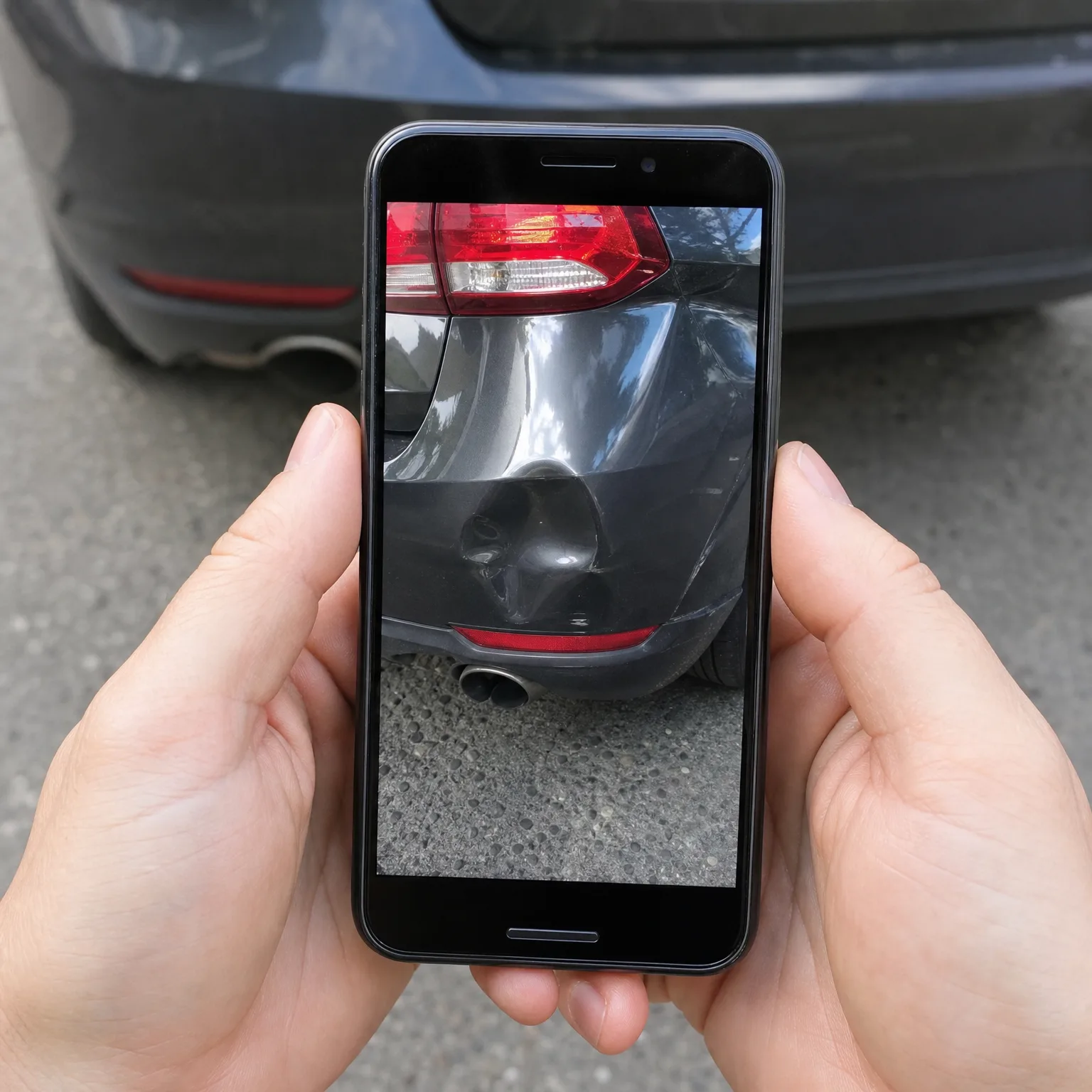
You tapped the bumper of the car ahead when traffic stopped short. No one was hurt, but both bumpers were dented. You exchanged information, took photos of both cars and the light, and called your insurer that afternoon. The adjuster asked what happened, and because you rear-ended them, fault was straightforward. Your insurer accepted liability on your behalf.
You got two repair estimates through your insurer's process and chose a shop near your house. You paid your deductible upfront and the insurer covered the rest of the repair cost directly with the shop. The other driver's car was fixed within two weeks. At renewal, your agent told you the accident would likely affect your rate, but by handling it quickly and documenting everything, there were no disputes about what happened or who was responsible.
Can the other driver sue me personally after the accident?
They can, but it's uncommon when your coverage is enough to pay their damages. Your liability coverage exists specifically to stand in for you, paying claims up to your policy limits so the other driver doesn't need to come after your personal assets.
The risk rises when damages or injuries exceed what your policy covers. If the other driver's medical bills, lost wages, or vehicle damage go beyond your limits, they can pursue you directly for the difference. This is why carrying adequate liability coverage, and considering extra coverage if you have significant assets, matters more than people realize until they're the one facing a gap. Check your policy's limits now, not after something happens.

What happens next depends on what you do in the first few days, not on the accident itself.
Once you know how this claim affects your coverage, compare quotes to see if another policy protects you better.
Why the process works this way
Insurance exists to transfer risk, and that only works if claims get resolved through a known process rather than through guesswork or negotiation between drivers. When you cause an accident, your liability coverage is designed to activate automatically, paying the other person's damages so you aren't personally on the hook and so they aren't left waiting on you directly. That's the entire function of liability coverage, and it's why insurers investigate fault carefully before paying anything out.
Fault determination matters because it decides whose insurer pays and how the accident gets recorded. Insurers use police reports, photos, statements, and sometimes independent adjusters to decide fault, and in many states fault can be split between drivers rather than assigned entirely to one person. How that split happens, and how it affects what each insurer pays, varies by state, so check how your state handles shared fault.
Whether an accident raises your rate depends on your insurer's rules, your history, and sometimes state regulations about how long an accident can be factored into pricing. Some insurers forgive a first accident, others don't, and this varies enough that you should ask your insurer directly rather than assume.
The cases that work out differently usually involve injuries, disputed fault, or damages that approach your coverage limits. In those situations the process slows down, more documentation gets involved, and the stakes for having adequate coverage go up considerably.

Should I pay for the damage myself instead of filing a claim?
It depends on how the cost compares to what filing would cost you in deductible and future rate impact. If the damage is minor and close to what your deductible would be anyway, paying out of pocket can avoid a claim on your record entirely. If the damage is significant or involves another driver's vehicle, filing protects you from being personally liable if costs grow. Ask your insurer how a claim would affect your rate before deciding, since that answer varies by company.
How long does an accident stay on my insurance record?
It depends entirely on your insurer's policies and sometimes on state rules about reporting periods. Some insurers look back a few years when pricing your renewal, others longer, and the accident may also appear on state driving records independently of your insurance history. Ask your insurer directly how long this particular accident will factor into your rate, and check your state's DMV policy separately since the two timelines don't always match.
What if the other driver says the accident was my fault but I disagree?
You can dispute it, and your insurer will investigate before accepting fault on your behalf. Fault isn't decided by whoever speaks first or most confidently, it's determined through police reports, physical evidence, photos, and witness statements. Tell your insurer your account of events in detail and provide any evidence you have. If the two insurers disagree, they may negotiate a split based on comparative fault rules, which vary by state.