Car Insurance After an At Fault Accident
Your rates will likely rise and the accident will stay on your record for a few years, but your policy still covers what it's supposed to.

What to handle first after an at-fault accident
- Report it to your insurer Tell your insurer even if you're unsure about filing a claim. Waiting or staying quiet can cause problems later if the other driver reports it first.
- Decide claim or pay yourself If damage is close to your deductible, paying out of pocket may keep your record cleaner. Compare the repair cost against what a rate increase would cost you over time.
- Know what your policy covers Liability coverage pays for the other driver's damage and injuries, not yours. Check your declarations page to see what applies to your own car and medical costs.
- Understand how fault gets set Your insurer investigates and assigns a fault percentage based on evidence, not just who admits it. Ask your adjuster how they reached their conclusion if it affects your claim.
- Watch for a lawsuit risk If someone was hurt, they can sue beyond what your liability limits cover. Check whether your coverage amount is enough for your situation and ask about raising it.
Can the other driver sue me even after insurance pays?
Yes, this can happen if their damages or medical bills go beyond what your liability coverage pays out. Insurance pays up to your policy's limits, and anything above that becomes your personal responsibility unless you have extra protection.
This is more likely when someone was injured, since medical costs and lost income can add up fast and exceed lower coverage limits. It's less likely with minor property damage, where costs rarely reach that point.
If you're worried about this, look at your liability limits now rather than after a claim. Ask your insurer what it would cost to raise them, and consider an added layer of liability protection if your limits are on the lower side. This matters most if you have assets or income a judgment could reach.

Now that you know how this will affect your coverage and rate, compare quotes to see what you'd pay elsewhere.

Rear-ending someone at a light with no visible injuries
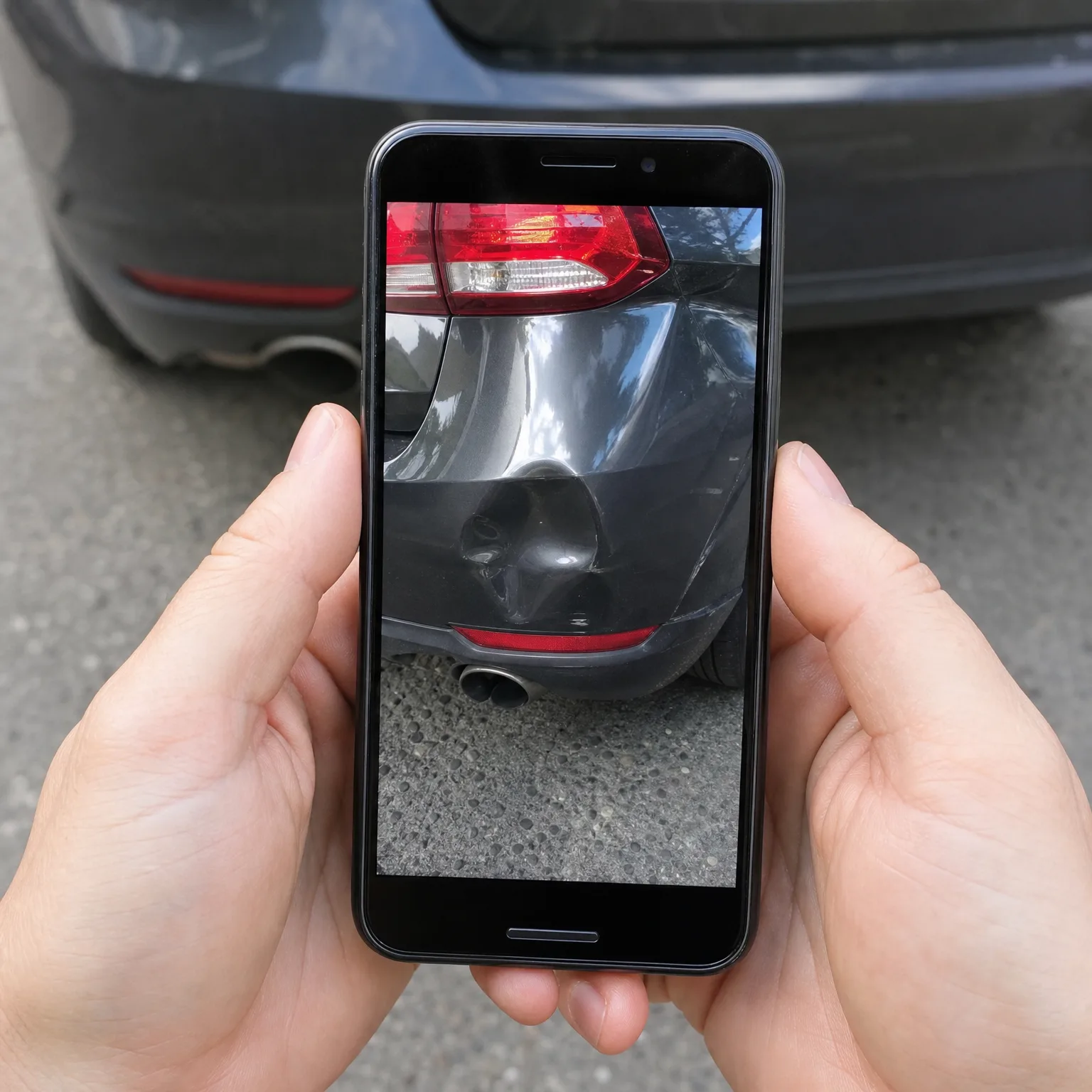
You tapped the bumper of the car ahead after it stopped short. Both cars had minor damage, nobody mentioned pain at the scene, and you exchanged information. Back home, you weren't sure if you should file a claim since the damage looked like it might cost close to your deductible either way.
You called your insurer to report it, since staying quiet felt riskier than asking questions. The adjuster asked for photos and an estimate, then let you decide whether to proceed once you saw the number. The repair came in just above your deductible, so you filed. A few weeks later the other driver mentioned soreness and saw a doctor, and because you'd already reported the accident, that claim folded into the same file instead of becoming a separate, harder conversation. Your rate went up at renewal, but the claim itself was straightforward because you'd started it early and had the facts on record from day one.
Why fault and rates work the way they do
Insurers raise rates after an at-fault accident because they're pricing risk, not punishing you. Statistically, a driver who caused one accident is more likely to cause another, so the new premium reflects that updated risk rather than any judgment about you as a person.
Fault itself isn't always all-or-nothing. Many states allow shared fault, where each driver carries a percentage of responsibility based on evidence like traffic laws, witness statements, and damage patterns. Your insurer's investigation exists to sort this out, and the percentage they land on directly affects who pays what and how much your rate moves.
How long the accident affects your rate, and how it's reported to future insurers, varies by state and by company. Some insurers forgive a first accident and don't raise rates at all, while others weigh severity or injury claims more heavily than simple fender benders. Check your policy documents or ask your insurer directly how they handle this, since assuming a standard timeline can leave you surprised later.
The cases that work out differently usually involve injury or disputed fault. When someone is hurt, the claim moves slower and involves more parties, including possibly an attorney. When fault is contested, your insurer and the other driver's insurer negotiate based on evidence, and the outcome can shift the financial responsibility well after the initial accident report.

This accident doesn't define your coverage going forward, but how you handle the claim right now does.