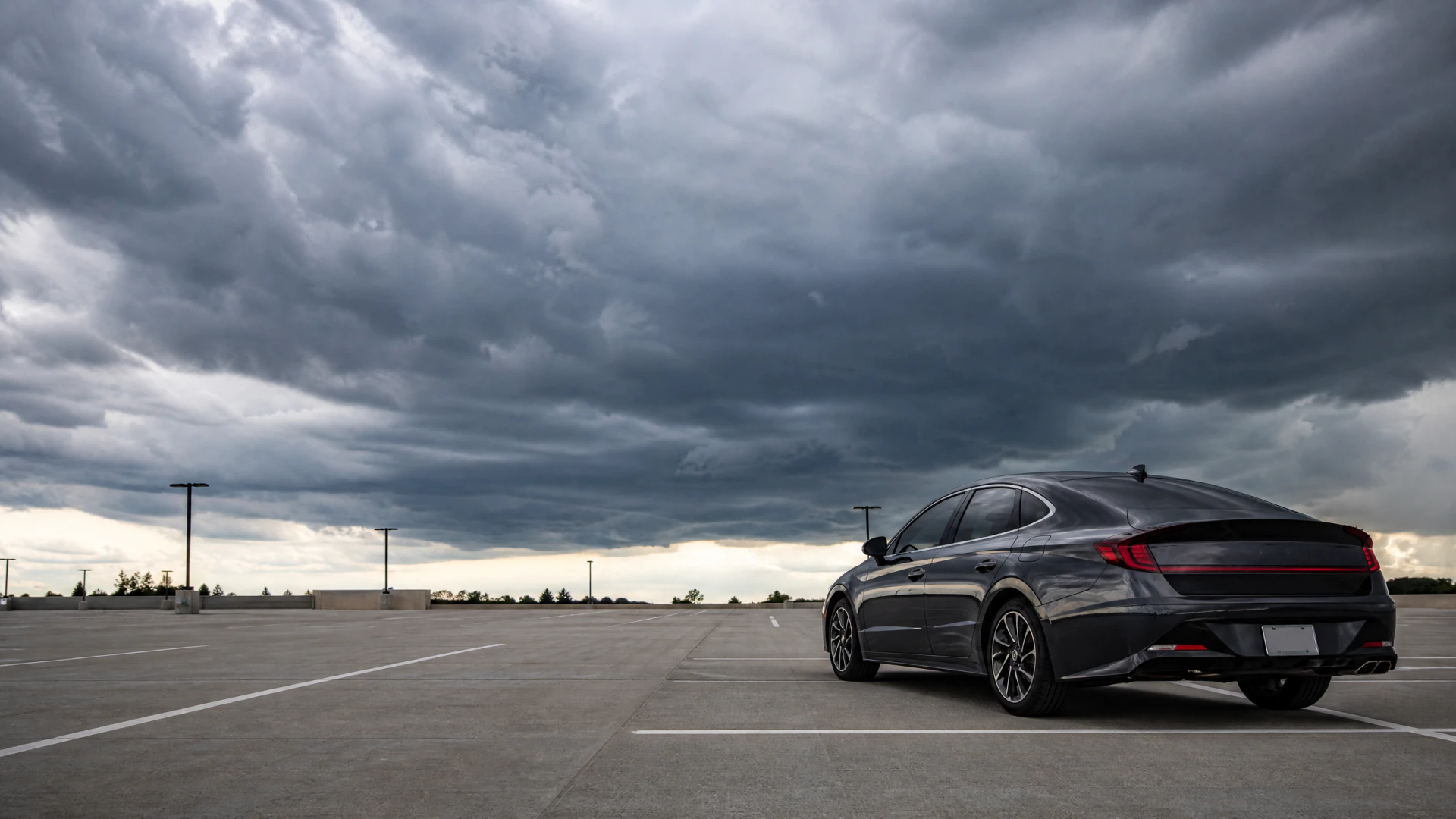
Is It Better to Not File an Insurance Claim
It's better to skip a claim only when the damage costs less than your deductible plus whatever a claim would raise your rate.
It comes down to who ends up paying more over time
An insurance claim exists to move cost from you to the insurer, but it isn't free to use. Every claim you file gets weighed against what it might cost your insurer later, through higher premiums, and that math only makes sense if the payout is bigger than the long-term cost of filing. When the damage is small, you can end up paying more through rate increases than you would have paid just fixing it yourself.
Fault matters here too. If the accident wasn't your fault, the other driver's insurer should be the one paying, and filing through your own policy may not affect your rate at all. If you were at fault, or fault is unclear, your insurer may raise your premium regardless of how much they pay out, because the accident goes on your record as a sign of risk.
Injuries change the calculation completely. Medical costs can appear well after the accident, and they're often far larger than vehicle damage. If anyone was hurt, even mildly, paying out of pocket to avoid a claim is risky, because you lose the protection your policy exists to provide. The same goes for any accident where the other driver might sue you later. A claim puts your insurer between you and that lawsuit.
State rules and insurer policies both affect this. Some states limit how much a single claim can raise your rate, and some insurers forgive your first accident entirely. Check your policy documents or call your insurer directly to find out how your specific contract handles this, because the general logic here doesn't tell you the exact numbers for your situation.
What to weigh before you decide
- Compare cost to deductible If repair costs are close to or below your deductible, filing may not get you much money back. Get a repair estimate first before deciding either way.
- Check who's at fault If the other driver caused the accident, their insurer should cover it, not yours. Exchange insurance information and consider filing against their policy instead.
- Rule out injuries Any injury, even one that seems minor now, can turn into a costly claim later. If anyone was hurt, report the accident and let your insurer handle it.
- Watch for lawsuit risk If the other driver could sue you, your insurer's legal defense is part of what you're paying for. Don't skip a claim just to avoid a rate increase.
- Ask about accident forgiveness Some insurers won't raise your rate for a first accident. Call and ask before you decide, since this could remove the main reason to avoid filing.

Once you know whether this accident is worth filing, compare quotes to see how it actually affects what you'd pay.

Filing a claim versus paying it yourself
If you do
Your insurer opens a file, assigns an adjuster, and pays for damage above your deductible. The accident goes on your claims history, which other insurers can see. Your premium may rise at renewal, depending on fault and your insurer's rules. You're protected if other costs, like injuries or a lawsuit, show up later.
If you don't
You pay for repairs yourself and nothing goes on your claims history. Your rate stays the same for now. But if injuries or extra damage surface later, you may have missed your window to report the accident, and you'll have no coverage backing you if the other driver comes back with a claim or lawsuit.
A fender bender in a parking lot
You back into a parked car while leaving a grocery store. No one is around, so you leave a note with your information. The owner calls a few days later, says the bumper repair will cost a modest amount, and asks how you want to handle it. You pull up your policy and see your deductible is close to that repair estimate.
You call your insurer to ask two things, whether this would count as an at-fault claim and how it might affect your rate at renewal. They tell you a claim this size, after your deductible, would net you very little money back, but it would still show up as an at-fault incident on your record. You decide to pay the other driver directly instead, get a receipt confirming the repair was completed, and keep your policy clean. A few months later your renewal comes through unchanged, and you're glad you didn't file over a few hundred dollars of damage.
How long does an accident stay on my insurance record?
It typically stays on your record for several years, though the exact length depends on your insurer and your state. This matters because it affects how long a rate increase might last, not just whether you get one now. Ask your insurer directly how long they look back when pricing renewals, since this varies by company. If you're close to the end of that window, a new accident resets the clock.
Can the other driver sue me after a car accident?
Yes, and this is more likely when there are injuries or significant damage involved. Your insurer's liability coverage is what pays for a legal defense and any judgment against you, up to your policy limits. Check your policy for your liability limits now, before anything happens, because being underinsured leaves you personally exposed. If a lawsuit seems possible, report the accident to your insurer even if you're paying for repairs yourself.
Will my rate go up if the accident wasn't my fault?
Usually not, but it depends on your insurer and state, and on whether fault is contested. If the other driver is clearly at fault, their insurer typically pays and your record stays clean. If fault is disputed or shared, your own insurer may treat it differently. Ask your insurer how they handle not-at-fault claims specifically, since some treat any claim as a risk factor regardless of fault.