Paying Out of Pocket vs Filing a Claim
Pay out of pocket when the damage costs less than your deductible plus a likely rate increase, file a claim when it doesn't.
It comes down to a simple cost comparison
Your insurer will cover damage above your deductible, but using that coverage has a price of its own. Claims, especially ones where you're found at fault, can raise what you pay going forward. So the real question isn't whether you're covered, it's whether the payout is worth more than the increase in your rate over time.
That means you need a rough estimate of the repair cost before you decide anything. If the damage is close to or less than your deductible, filing a claim may get you little or nothing back, since you'd pay the deductible anyway and still risk a rate increase. If the damage is well above your deductible, the math usually favors filing.
Fault matters here too. If the accident wasn't your fault, the other driver's insurer may end up paying, which changes the calculation entirely since your own rates may not move. If fault is shared or unclear, your insurer will sort that out through its own process, and the outcome affects who ends up covering what.
There are cases where this isn't really a choice. If another driver, a passenger, or a pedestrian was hurt, or if the damage involves someone else's property, you're better off reporting it regardless of cost, because injury and liability claims can grow well past what you'd ever cover yourself. Paying out of pocket only makes sense for damage limited to your own vehicle.

What to weigh before you decide
- Get a repair estimate first You can't compare costs without a number. Get at least one estimate before deciding whether a claim is worth filing.
- Check your deductible amount Your deductible is what you pay before coverage kicks in. If repairs cost less than that, a claim won't pay you anything.
- Ask how fault affects rates Your insurer can tell you how an at-fault claim typically affects pricing. Ask before you file, not after.
- Consider injuries or property If anyone was hurt or another person's property was damaged, report it. Those costs can exceed what you'd ever pay yourself.
- Know your reporting deadline Policies set a window for reporting accidents even if you don't file a claim yet. Check yours so you don't lose the option later.

Once you know whether you're filing or paying yourself, compare quotes to see how either path affects your rate.

Filing a claim versus handling it yourself
If you do
Your insurer opens a claim, reviews fault, and pays for covered damage above your deductible. You'll likely talk to an adjuster and may need repair estimates. If you're found at fault, expect your rate to be reviewed at renewal. The claim becomes part of your insurance history, which other insurers can see later.
If you don't
You pay for repairs directly and nothing goes on your insurance record. No adjuster, no deductible, no rate review tied to this accident. But you lose the option to get reimbursed later if repair costs turn out higher than expected, and you still must report the accident if your state or policy requires it.
A fender bender at a stoplight
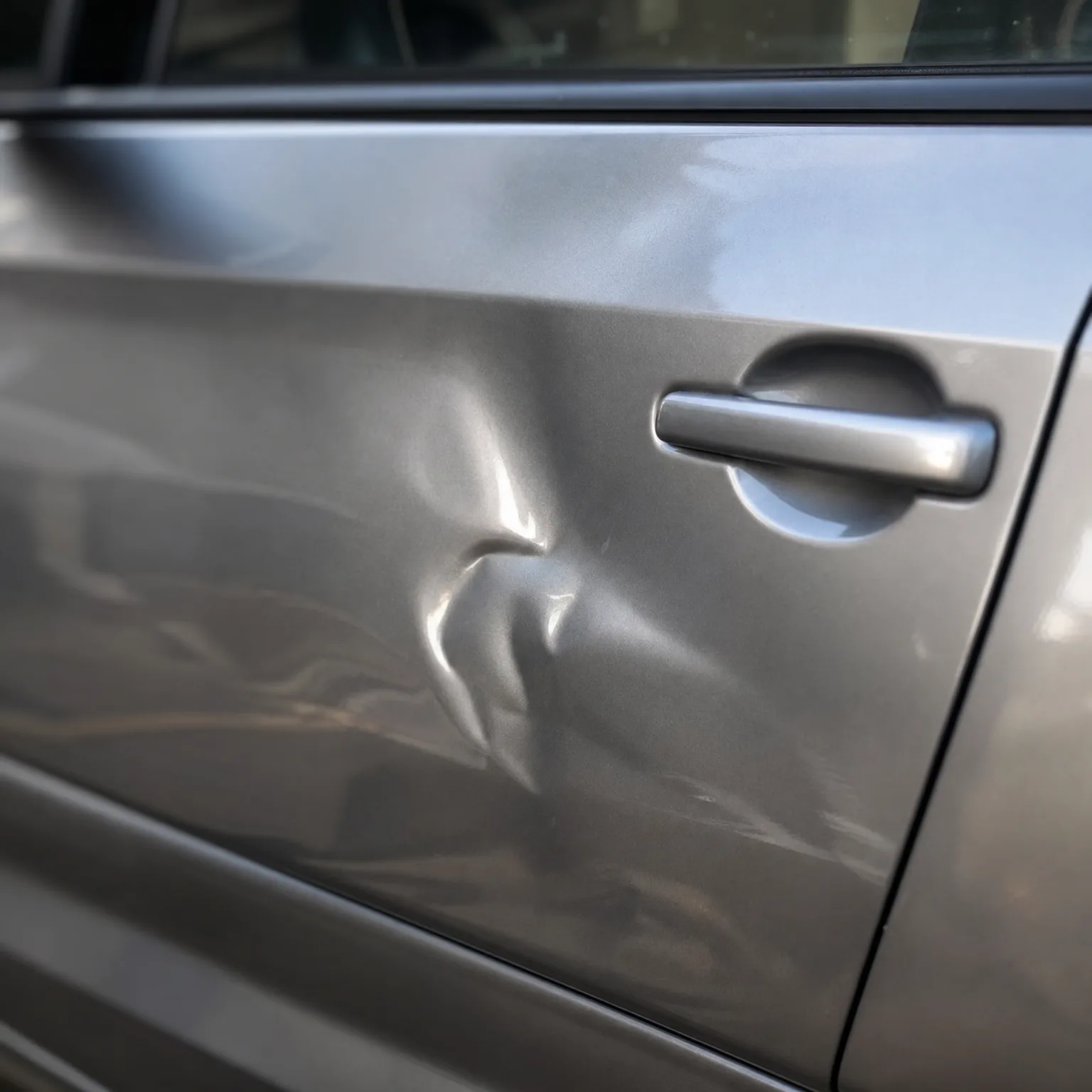
You tap the car ahead of you at a light, leaving a dent and a cracked taillight. No one's hurt. You get a repair estimate and it comes in just above your deductible. You check with your insurer about how an at-fault claim like this typically affects renewal pricing, and the estimate they give makes the math close, close enough that paying out of pocket looks better over the next few years.
You decide to pay for the repair yourself and skip the claim, but you still call your insurer to report the accident, since your policy requires it even when you're not filing. That call takes a few minutes and doesn't start a claim file. Months later, nothing has changed on your policy. Had the estimate come in much higher, you'd have filed instead, since at some point the repair cost outweighs the rate impact. The decision isn't about avoiding your insurer, it's about which cost is actually smaller.
Will paying out of pocket still affect my insurance rate?
Usually not, as long as you don't file a claim. Rate increases are generally tied to claims being paid out, not to the accident itself. If you cover the repair yourself and never submit anything for payment, there's typically nothing for your insurer to price into your renewal.
The exception is reporting requirements. Some policies require you to report any accident, even one you're paying for yourself, and that report can sit in your file even without a claim attached. It's unlikely to affect pricing on its own, but ask your insurer directly how they treat reported-but-unclaimed accidents, since practices vary and you want to know before it comes up at renewal.