When the Other Driver Is Injured
If the other driver is injured, your liability coverage pays their losses up to your limits, so report it right away.
A rear-end crash where the other driver went to urgent care
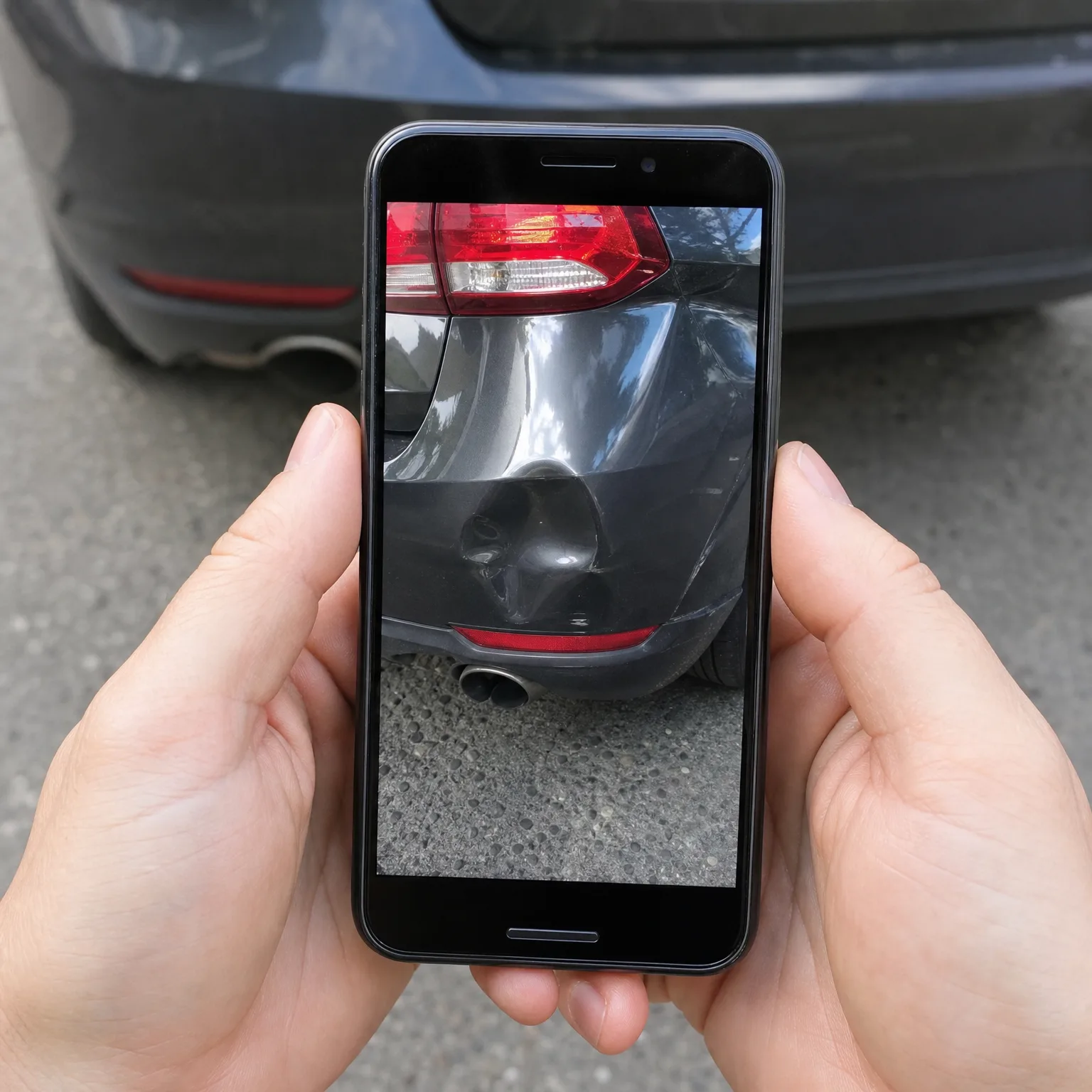
You tapped the car ahead of you at a stoplight after glancing down for a second. The other driver seemed fine, exchanged information with you, and drove off. Two days later you got a call from your insurer saying the driver had gone to urgent care for neck pain and filed a claim. You hadn't reported the accident yet because nothing seemed wrong at the scene.
You called your insurer that same day and gave them the full account, including the exact words you'd exchanged with the other driver. An adjuster was assigned to handle the medical claim under your liability coverage, and you were not asked to pay anything out of pocket. Because you reported quickly and cooperated, the claim moved through the normal process and didn't turn into a lawsuit. The other driver's bills were paid through your coverage, and the case closed within a few months.
Will I have to pay anything myself if someone is injured?
You'll owe money yourself only if the injured person's costs go above what your liability coverage pays, or if your policy excludes the situation somehow, like certain household members or business use of your car.
Most of the time, your insurer handles the payout directly to the injured driver or their medical providers, and you're not writing checks. The exception is when injuries are severe, when there are long-term medical costs, or when a lawsuit asks for more than your limits cover. That's when you could be personally responsible for the difference, which is why people often raise their liability limits after a close call like this.
The biggest risk isn't the claim itself, it's waiting to report because the other driver seemed okay.
Once you see how liability coverage protects you here, compare quotes to check your limits are high enough.

Reporting the accident right away versus waiting to see what happens
If you do
You report the accident the same day, even if the other driver seems fine. Your insurer opens a claim, assigns an adjuster, and starts handling any medical bills that come in later. You're covered if the injury turns out worse than it looked, with a record showing you acted in good faith.
If you don't
You wait to see if the other driver actually follows up. If they do file a claim days or weeks later, your insurer may question why you didn't report sooner, and you'll be reconstructing details from memory. In some cases, delayed reporting can complicate how the claim is handled or raise doubts about your account.
What actually determines how this plays out
- Your liability limits This is the maximum your insurer will pay for the other driver's injuries. If costs exceed it, you could be personally on the hook, so check your limits now.
- Fault isn't all-or-nothing Many states split fault by percentage, which can reduce what you owe even if you caused the crash. Ask your insurer how fault gets determined where you live.
- Reporting speed matters Tell your insurer right away, even if the other driver seems uninjured at the scene. Delayed reporting can make claims harder to process and raise questions later.
- You can still be sued If injury costs go beyond your liability limits, the other driver can pursue you directly for the remainder. This is a common reason people increase coverage after an accident.
- Your rate may rise regardless An injury claim involving fault can affect your premium at renewal, separate from whether you paid anything yourself. Ask your insurer how this specific claim will be scored.