Filing a Claim When You Are at Fault
Filing a claim when you're at fault means your insurer pays the other driver's damages, within the limits you chose.

Rear-Ended Someone at a Light
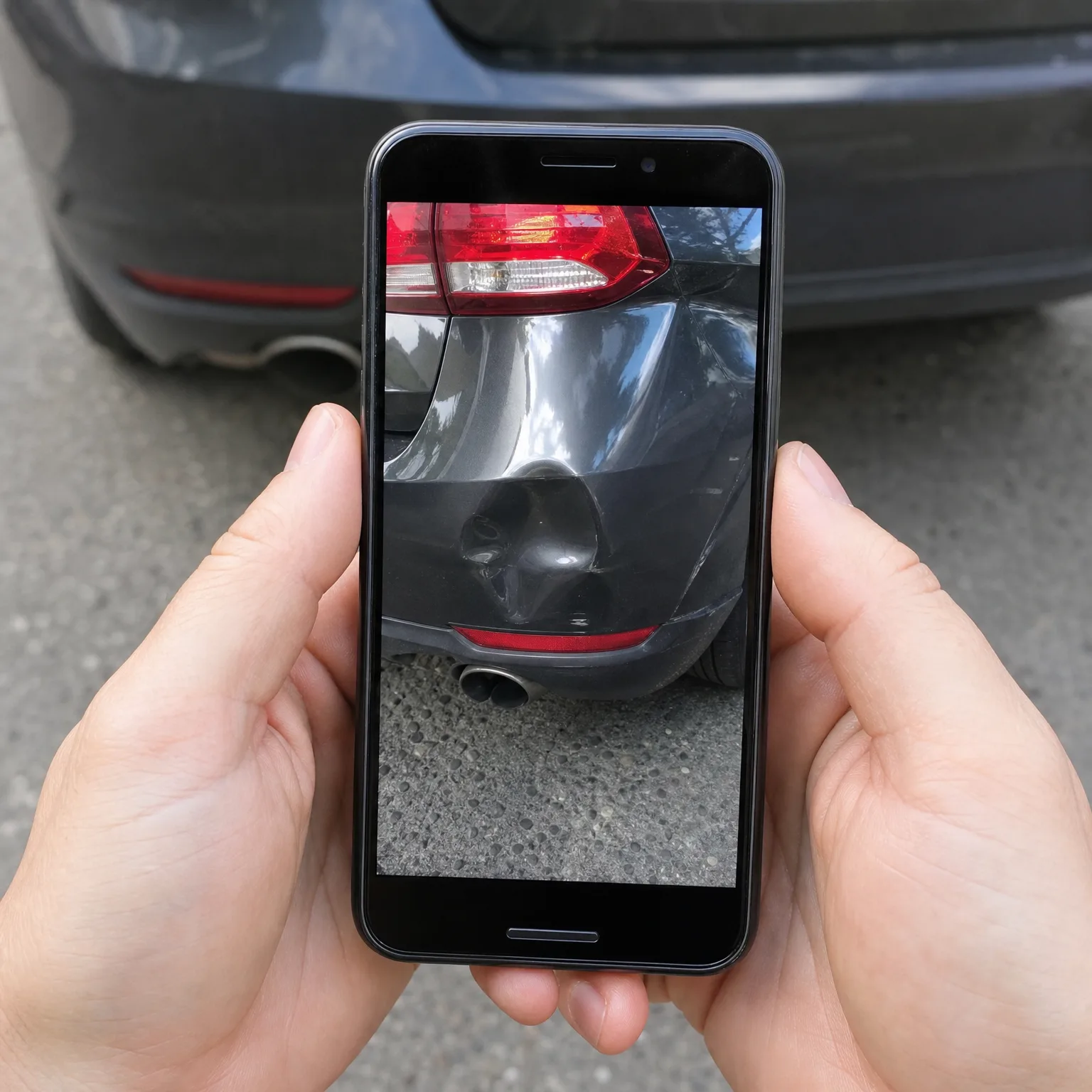
You were checking a text and tapped the bumper of the car ahead when traffic stopped short. No one was hurt, but the other driver's bumper was cracked and their trunk didn't close right. You pulled over, exchanged insurance information, and took photos of both cars before leaving. That evening you called your insurer to start a claim rather than offering to pay the other driver directly, because you didn't know the full cost of the repair yet and didn't want a verbal agreement to fall apart later.
Your insurer assigned an adjuster who contacted the other driver, reviewed the damage, and arranged payment through your liability coverage. You never had to negotiate with the other driver yourself once the claim was open. The repair cost came in under your liability limit, so you paid nothing out of pocket beyond what your policy already covered. The claim was recorded as at-fault, and it will factor into your renewal, but the process itself took a few phone calls and about two weeks from report to payout.
Can the other driver sue you even after your insurer pays their claim?
Yes, but it's uncommon when your insurer pays a reasonable claim within your coverage limits. Insurers settle the vast majority of at-fault claims through direct payment, and once the other driver accepts that payment, the matter is typically closed.
A lawsuit becomes more likely when damages or injuries exceed what your liability coverage pays, leaving the other driver with costs your insurer won't cover. In that situation they can pursue you personally for the difference. This is the main reason people carry liability limits higher than the state minimum, and it's worth checking your own limits against what a serious accident could actually cost before you assume you're protected.

Now that you know how an at-fault claim works, compare quotes to see what stronger coverage would cost you.

What To Do Once You Know You're At Fault
- Report it to your insurer Tell your insurer even if you think you'll pay out of pocket. They need to know about the accident to protect you if the other driver files a claim later.
- Skip paying the driver yourself Handing over cash or a personal check can create confusion about what was agreed to. Let your insurer handle payment so there's a clear record.
- Check your liability limits Your insurer pays the other driver's damages up to your limit, not beyond it. Ask your insurer what your current limits are and whether they're enough for your situation.
- Ask how it affects your rate An at-fault claim usually affects your rate at your next renewal, but how much and for how long varies by insurer. Ask directly rather than guessing.
- Keep your own records Save photos, the other driver's information, and notes on what happened. If anything is disputed later, your own account matters.
Why Your Insurer Pays And You Mostly Step Back
When you're at fault, your liability coverage exists specifically to pay for the other person's damages or injuries. That's the function it was sold to perform. Once you report the accident, your insurer takes over the job of evaluating the claim, verifying the damage, and issuing payment, because they are the party financially responsible for it, not you.
This setup protects you as much as it protects the other driver. Without your insurer standing between you and the claim, you'd be negotiating repair costs or medical bills directly with a stranger, with no one verifying what's reasonable. Insurers have adjusters and processes built for exactly this, so the claim gets handled by someone whose job is to evaluate it fairly and close it out.
Fault itself isn't always a simple yes or no. Many claims involve shared fault, where each driver bears some percentage of responsibility, and how that's determined depends on the state you're in and the specific facts of the accident. Some states reduce what you can recover if you're partly at fault, and others handle it differently. If you believe fault isn't entirely yours, say so when you report the claim, because that gets factored into how your insurer and the other insurer settle between themselves.
What varies most by insurer is how long an at-fault claim affects your rate and by how much. Some insurers offer forgiveness for a first at-fault accident, others don't, and the rules depend on your specific policy and state. Ask your insurer directly what their policy is rather than assuming it works the same way everywhere.

The claim isn't a negotiation you have to handle alone. It's exactly what your coverage was built to do.