What Happens if a Lease Is Totaled
The insurer pays the car's value to the leasing company, and gap coverage covers what's left on what you owe.
The payout settles the car's value, not your lease balance
When a leased car is totaled, your insurer doesn't pay off your lease. It pays out the actual cash value of the car at the moment it was destroyed. That payment goes to the leasing company, since they legally own the vehicle, not you.
The problem is that a lease balance and a car's cash value are two different numbers, and they rarely match. Cars lose value faster than most lease payments assume, especially early in the lease. So the insurance payout often falls short of what you still owe under the lease contract, sometimes by a lot.
This gap is exactly what gap coverage is built for. It pays the difference between the insurance settlement and your remaining lease balance, so you're not stuck writing a check for a car you no longer have. Many leases require this coverage for exactly this reason, but not all do, and requirements vary by leasing company and by state.
If you don't have gap coverage and the payout is short, you're responsible for the remainder. That's the core risk here, and it's why checking your lease paperwork and your policy declarations page matters more than guessing.
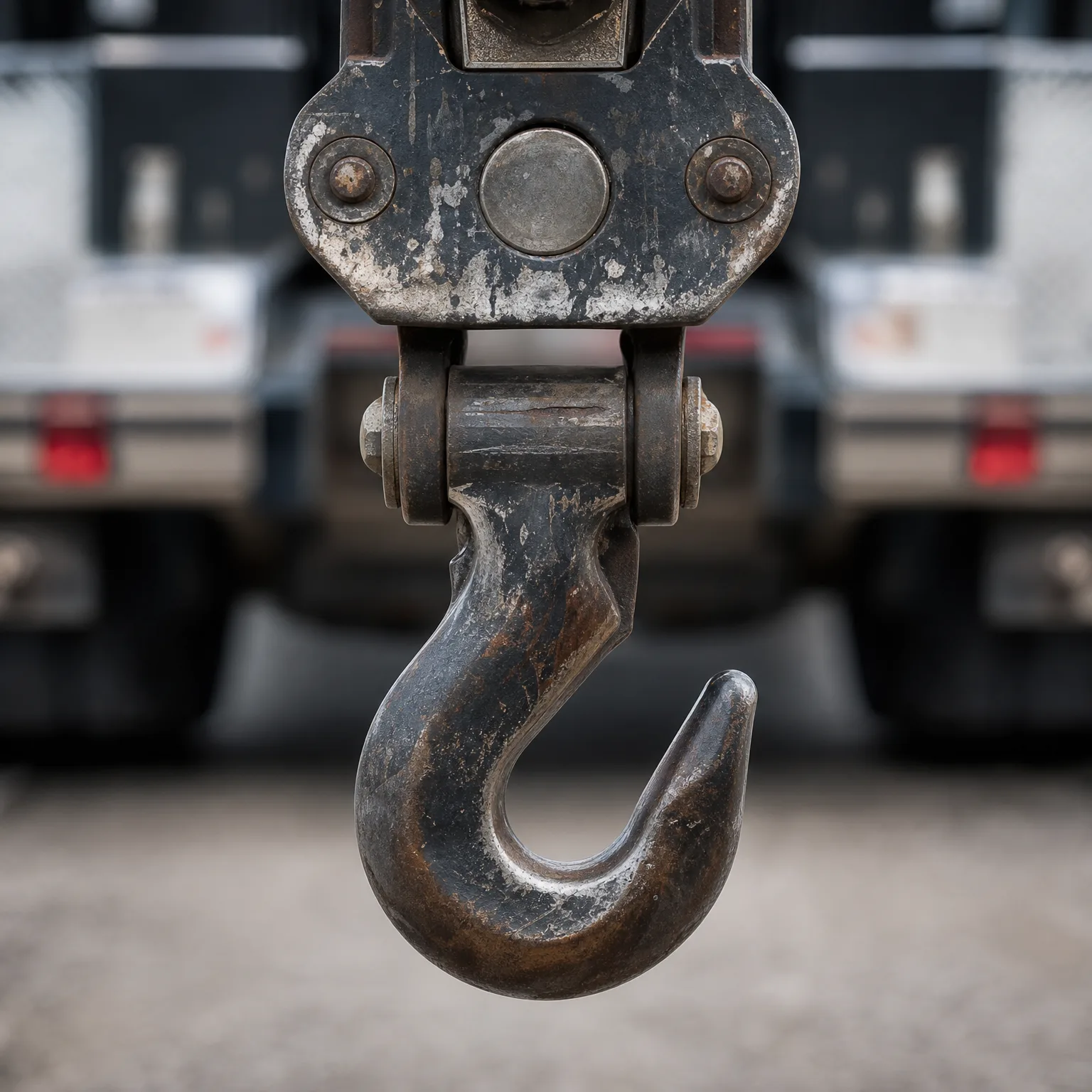
A leased sedan written off after a flood
You're two years into a four year lease when a flash flood fills the parking garage overnight. The car is declared a total loss. You call your insurer, they send an adjuster, and within a couple weeks they determine the car's cash value and send that payment to the leasing company, not to you.
Your lease balance turns out to be higher than the payout, because the car depreciated faster than your payments reduced the balance. Luckily your lease required gap insurance, so that policy pays the difference directly to the leasing company. You end up owing nothing beyond your deductible, and the lease is closed out. If you hadn't had gap coverage, you'd have received a bill for the shortfall instead.
Who do I deal with, the leasing company or my insurer?
You'll deal with both, but they play different roles. Your insurer investigates the accident, determines the car is a total loss, and calculates the payout. The leasing company is the legal owner, so the check goes to them, and they're the one who tells you your exact remaining balance.
You're the go-between for paperwork, but you're not negotiating the lease balance with your insurer, since that number comes from your lease contract and payment history. If gap coverage is involved, that insurer coordinates with the leasing company directly to close the gap. Keep copies of everything, since you may need to confirm the lease is fully closed out once payments are made.
Know how a totaled lease gets settled, then compare quotes to make sure your coverage actually closes that gap.

Whether you confirm gap coverage before anything happens
If you do
You know exactly what's covered, so if the car is totaled you're not left owing money on a car you can't drive. Your insurer and the leasing company settle the balance between them, and your part ends at your deductible.
If you don't
You find out only after a total loss, often when a bill arrives for thousands of dollars. By then it's too late to add gap coverage retroactively, and you're negotiating a payment plan with the leasing company for a car that's already gone.
What decides how a totaled lease gets settled
- Who owns the car The leasing company owns it, so the insurance payout goes to them first. Check your lease to see how they handle any excess or shortfall.
- Cash value versus lease balance The payout matches the car's value, not what you owe. Ask your leasing company for your current balance so you can compare it to an estimated value.
- Whether gap coverage applies Gap coverage pays the difference if the payout falls short. Check your lease agreement and your policy, since some leases require it and some insurers include it automatically.
- Your deductible still applies You typically owe your deductible regardless of gap coverage. Know this number before an accident so it's not a surprise during settlement.
- State rules on total loss value How cash value is calculated can vary by state. Ask your insurer which method they use and whether you can dispute the valuation.
The real risk isn't the accident, it's discovering nothing covers the gap between payout and balance.