Repairing Your Own Car After an At Fault Crash
Yes, you can pay for your own repairs after an at fault crash, and for minor damage it often makes sense.
Why paying it yourself can beat filing a claim
Your insurer only gets involved if you ask it to. Nothing requires you to file a claim for damage to your own car, even when you caused the crash. If the repair cost is small, paying it yourself keeps the accident off your claims history with that insurer, which matters because insurers use that history to set your renewal price.
The calculation changes once another driver or their property is involved. If you hit someone else's car, their claim against your liability coverage still exists whether or not you touch your own vehicle. Paying for your own repairs out of pocket doesn't erase the other driver's right to file against you, and it doesn't protect you from a rate increase tied to that claim.
There's also a timing problem. Once you report a crash, most insurers record it even if you later decide not to pursue repairs through them. So the real decision point is whether to report at all, not whether to use the claim once it's open. If damage is cosmetic and low cost, many drivers get an independent repair estimate first and compare it against what a claim would likely cost them in future premium before deciding.
This varies by insurer and by state, particularly around how long an accident stays visible in your history and whether reporting alone affects price even without a payout. Check your policy documents or ask your insurer directly how they treat reported-but-unpaid incidents.
A driver who backed into a parked car
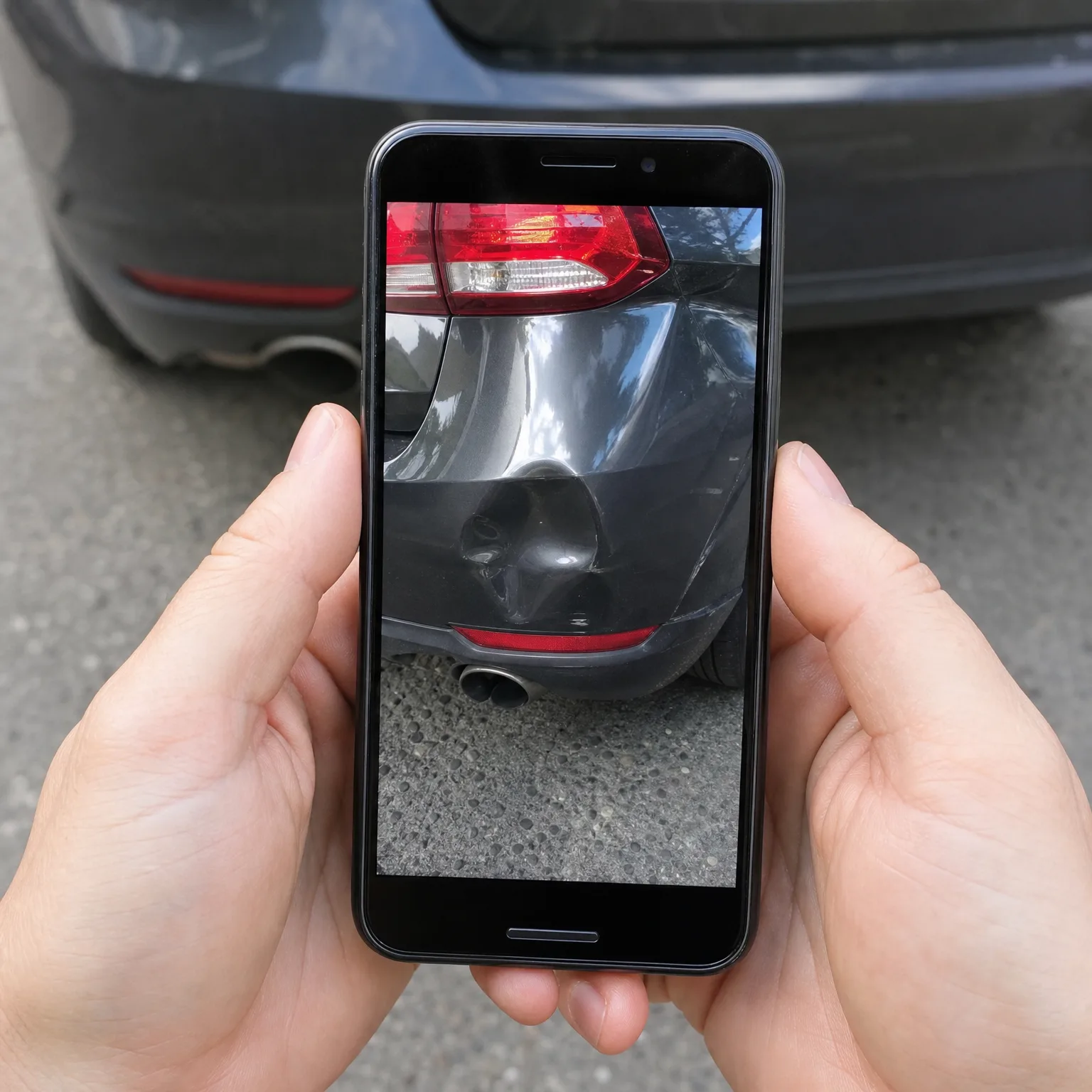
You back out of a parking spot and clip a parked car, denting the bumper and cracking a taillight. No one is around, so you leave a note with your contact information. The other owner calls, and you get two repair quotes together, both for a modest amount. You decide to pay the owner directly rather than file with your insurer.
You also check your own car, a small scuff with no real damage, and decide it's not worth fixing right now. Because you paid the other owner directly and never reported the incident to your insurer, there's no claim on file and no effect on your renewal. Had the damage been larger, or had the other owner refused a direct payment and filed a claim themselves, the outcome would have been different, since their claim against you can proceed regardless of what you do with your own car.
Once you know how you're handling repairs, compare quotes to see how that choice affects your rate.

Should you pay for repairs yourself or file a claim
If you do
You pay the repair shop directly and never report the crash to your insurer. Your claims history stays clean, which usually protects your renewal price. You're still financially on the hook for everything, including any damage to someone else's property if they come forward later.
If you don't
You file a claim and let your insurer handle the repair costs, including the other driver's damage if there is any. Your policy pays out according to your coverage, but the accident becomes part of your record. That record can affect your renewal price and may stay visible for a period that varies by insurer.
Does fixing my own car stop the other driver from suing me?
No, it doesn't. Paying for your own repairs has nothing to do with the other driver's right to pursue you for their damage or injuries. That right exists because you caused the crash, not because of how you handled your own vehicle. If the other driver's damage is significant, your liability coverage is what protects you, so check your policy limits and consider whether they're high enough given what happened.
Will my insurer find out about the accident if I don't file a claim?
Usually not, unless the other driver files their own claim naming you as the at-fault driver. Insurers generally learn about accidents through claims, police reports, or the other party reporting it. If no one reports it and there's no injury or major damage requiring documentation, it typically stays off your record. This varies by state, especially around reporting requirements for certain injury or damage thresholds, so check what your state requires before assuming silence is safe.
Can I get in trouble for not reporting a minor accident?
It depends on your state and the severity of the accident. Many states only require police or DMV reporting above a certain damage or injury threshold, and below that, handling it privately is legal. Some states have stricter rules. Check your state's reporting requirements before deciding not to report, especially if there was any injury, however minor it seemed at the time.

The real decision is whether to let the accident touch your record at all, not how to fix the car.