Does Full Coverage Cover Repairs
Yes, full coverage pays for repairs after an accident like yours, once you pay your deductible and a claim is approved.
Backing into a parked car in a lot
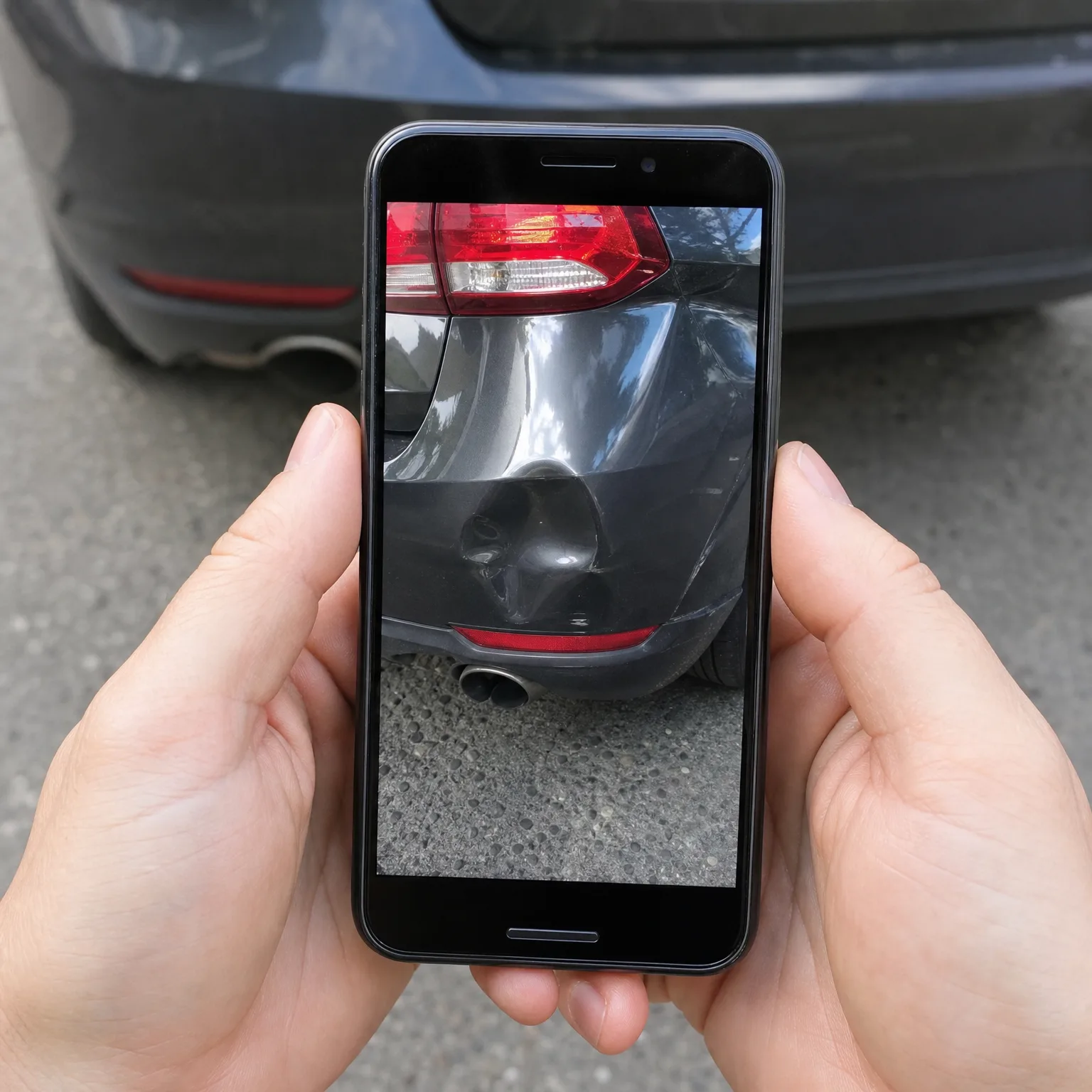
You backed out of a space and clipped a parked car, denting its door and scraping your own bumper. No one was hurt, but both vehicles needed body work. You weren't sure whether to call your insurer or just pay the other driver directly to avoid a claim showing up anywhere.
You called your insurer and opened a claim under your own policy's property damage liability for the other car, and collision coverage for your own repairs. An adjuster reviewed the damage, you paid your deductible, and the insurer paid a shop directly for your repairs and arranged payment for the other owner. The whole thing closed within a few weeks, and the only real cost to you was the deductible plus whatever happened to your rate at renewal.
Will my rate go up if I file this claim?
It might, but that depends on your insurer, your state, and your history, not on the fact that you filed a claim at all. Insurers weigh fault, claim amount, and your past record differently, so the same accident can raise one person's rate and barely touch another's.
If the accident was minor and you're considering paying out of pocket instead, compare the repair cost to your deductible first. If repairs cost close to or less than your deductible, filing may not even trigger a payout, so there's nothing to gain by reporting it. If repairs are expensive, filing usually still makes financial sense even with a rate impact, because the alternative is paying the full cost yourself.

Now that you know what your coverage pays for, compare quotes to see how this accident might affect your options.
What to check before you file this claim
- Your deductible amount This is what you pay before coverage kicks in. Look it up in your policy or app before deciding whether filing even makes sense.
- Collision vs liability coverage Collision pays for your car, liability pays for the other person's. Check which coverages you carry, since one accident can involve both.
- Who was at fault Fault determines whose insurer pays first. Gather photos, witness info, or a police report now, since this gets harder to prove later.
- Your state's fault rules Some states split fault, others assign it fully to one driver. Check with your insurer or state insurance office, since this changes who pays.
- How long this stays on record Insurers keep claim history for a set period that varies by company. Ask your insurer directly how long this accident will factor into your rate.
Why coverage works through claims, not automatic payouts
Full coverage isn't one thing, it's a bundle of separate coverages that each handle a different piece of an accident. Collision coverage pays for damage to your own car regardless of fault, while liability coverage pays for damage you caused to someone else's car or property. When people ask if full coverage pays for repairs, they're really asking whether these pieces apply to their specific accident, and that depends on what got damaged and who caused it.
The deductible exists because insurers want you to have some stake in smaller claims, so you don't file every minor scrape. You pay that amount first, then coverage pays the rest up to your policy's limits. This is why a small fender bender sometimes isn't worth filing at all, if the repair cost is close to what you'd pay out of pocket anyway.
Fault matters because it decides which insurer pays. If you're found at fault, your insurer's liability coverage pays the other driver, and your collision coverage pays for your own car. If the other driver is at fault, their liability coverage should cover both vehicles, though you can still use your own collision coverage upfront and let your insurer seek reimbursement from theirs. States handle shared fault differently, so what you owe or receive can change based on where you live.
Injuries change the picture because medical costs often exceed vehicle damage and involve separate coverages entirely, like medical payments or personal injury protection. If anyone was hurt, check your policy's medical coverage specifically, since repair coverage and injury coverage are not the same thing and don't draw from the same limits.
Should I pay out of pocket instead of filing a claim?
Pay out of pocket if the repair cost is close to or less than your deductible, since filing won't net you anything extra. If repairs cost significantly more than your deductible, filing usually makes sense even with a possible rate impact. Check your deductible amount first, then get a repair estimate before deciding either way.
Can the other driver sue me after this accident?
Yes, this is possible, especially if there are injuries or the damage exceeds your policy's limits. Your liability coverage is what protects you here, since it pays claims against you up to your coverage limit. Check your liability limits now, and if they seem low relative to what you own, consider raising them before renewal.
How is fault actually decided after an accident?
Fault is decided by insurers reviewing evidence like police reports, photos, witness statements, and sometimes traffic laws that applied at the scene. Each insurer investigates independently, and they don't always agree. Check your state's fault rules, since some assign fault entirely to one driver and others split it by percentage, which changes who pays what.