Which Is Better OEM or Aftermarket Parts
OEM parts match your car exactly, aftermarket parts cost less, and which one is better depends on your policy and what got damaged.
What decides the better choice for your repair
- Check your policy wording Some policies specify aftermarket parts unless you've paid for an OEM endorsement. Pull up your declarations page or call your insurer before the shop orders anything.
- Visible parts vs hidden parts A bumper cover or fender affects fit and look, so OEM matters more there. Structural or mechanical parts hidden under the hood matter less cosmetically.
- Consider your car's age A newer car under warranty often calls for OEM parts to keep that warranty intact. An older car may not need the premium of original parts.
- Ask about part warranties Aftermarket parts vary widely in quality, and some carry solid warranties while others don't. Ask the shop directly what backs the part before you agree.
- Decide who pays the difference If your insurer only covers aftermarket and you want OEM, you may need to pay the cost difference yourself. Get that number in writing before repairs start.
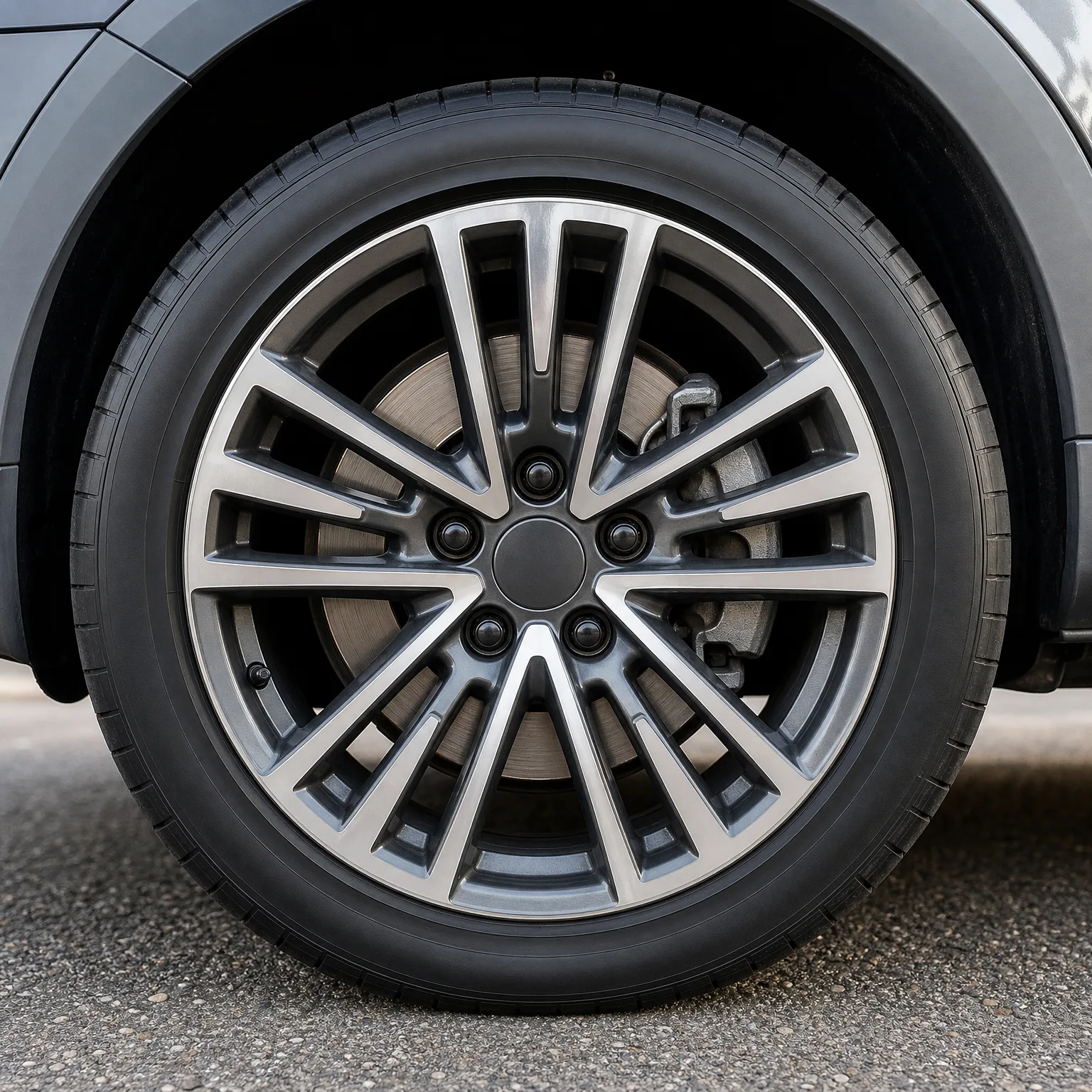
A fender bender with two different parts on the estimate
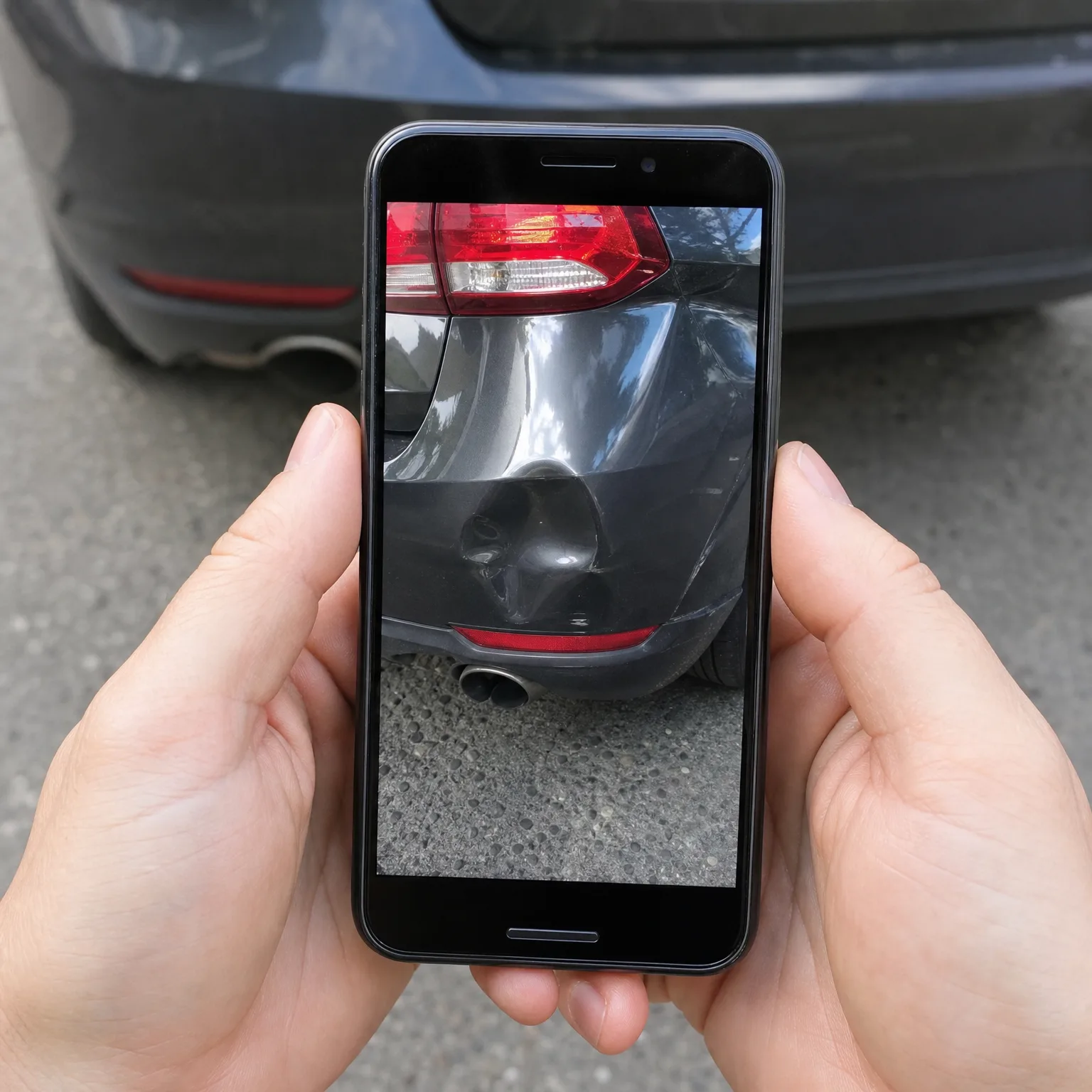
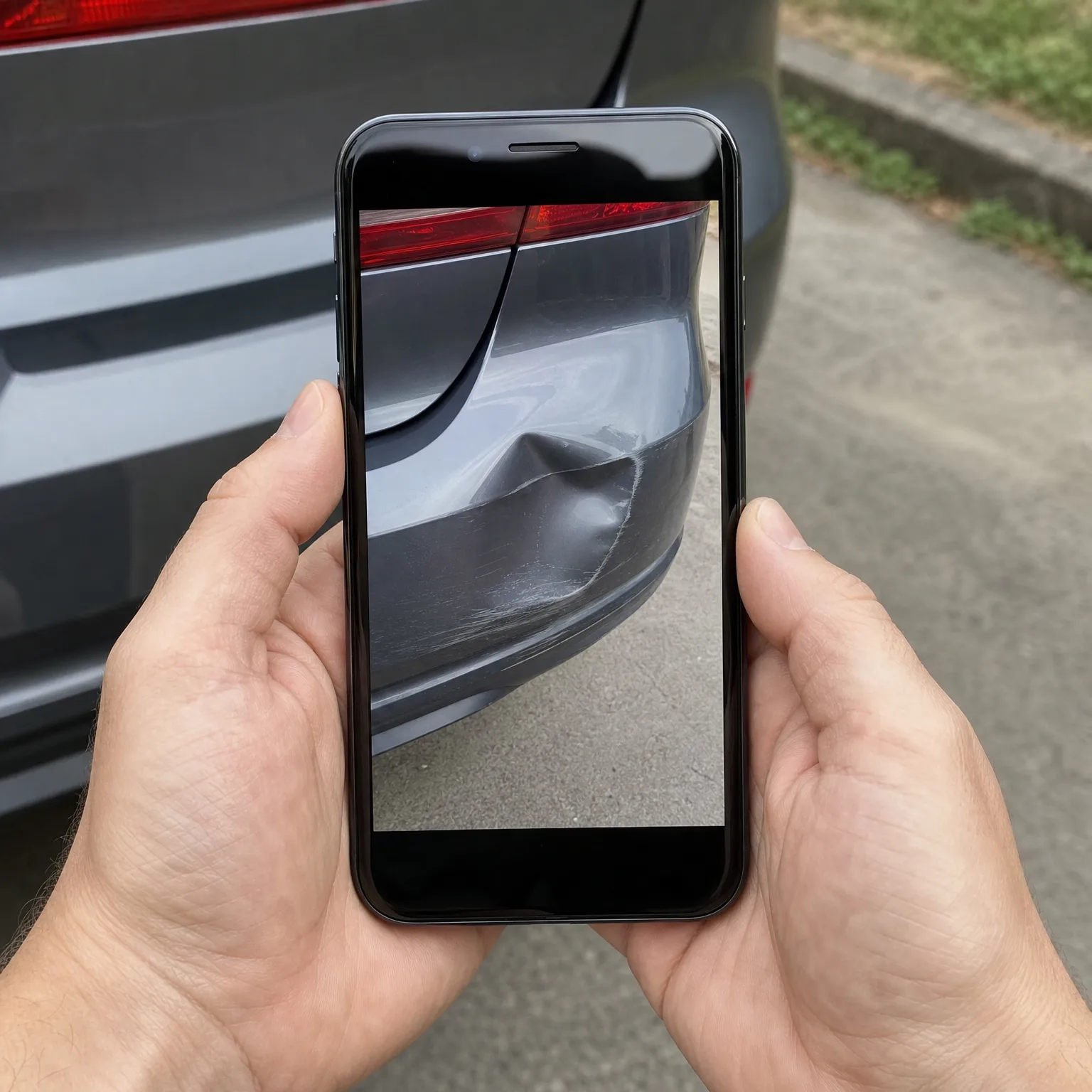
You backed into a parked car and your front fender and headlight assembly both need replacing. The shop's first estimate uses aftermarket parts for both, since that's what your insurer defaulted to. You call the shop and ask specifically about the headlight assembly, since that's a more complex part with wiring and sensors involved, and you want to know if the aftermarket version fits without modification.
The shop tells you the aftermarket headlight assembly has caused fitting issues on this model before, but the aftermarket fender is a nearly identical match with no complaints. You ask your insurer if you can get OEM for the headlight only, paying the cost difference yourself, and they agree. You keep aftermarket for the fender since there's no real tradeoff there. The repair comes in with mixed parts, the fit is clean, and you didn't pay extra for a part where it wouldn't have mattered.
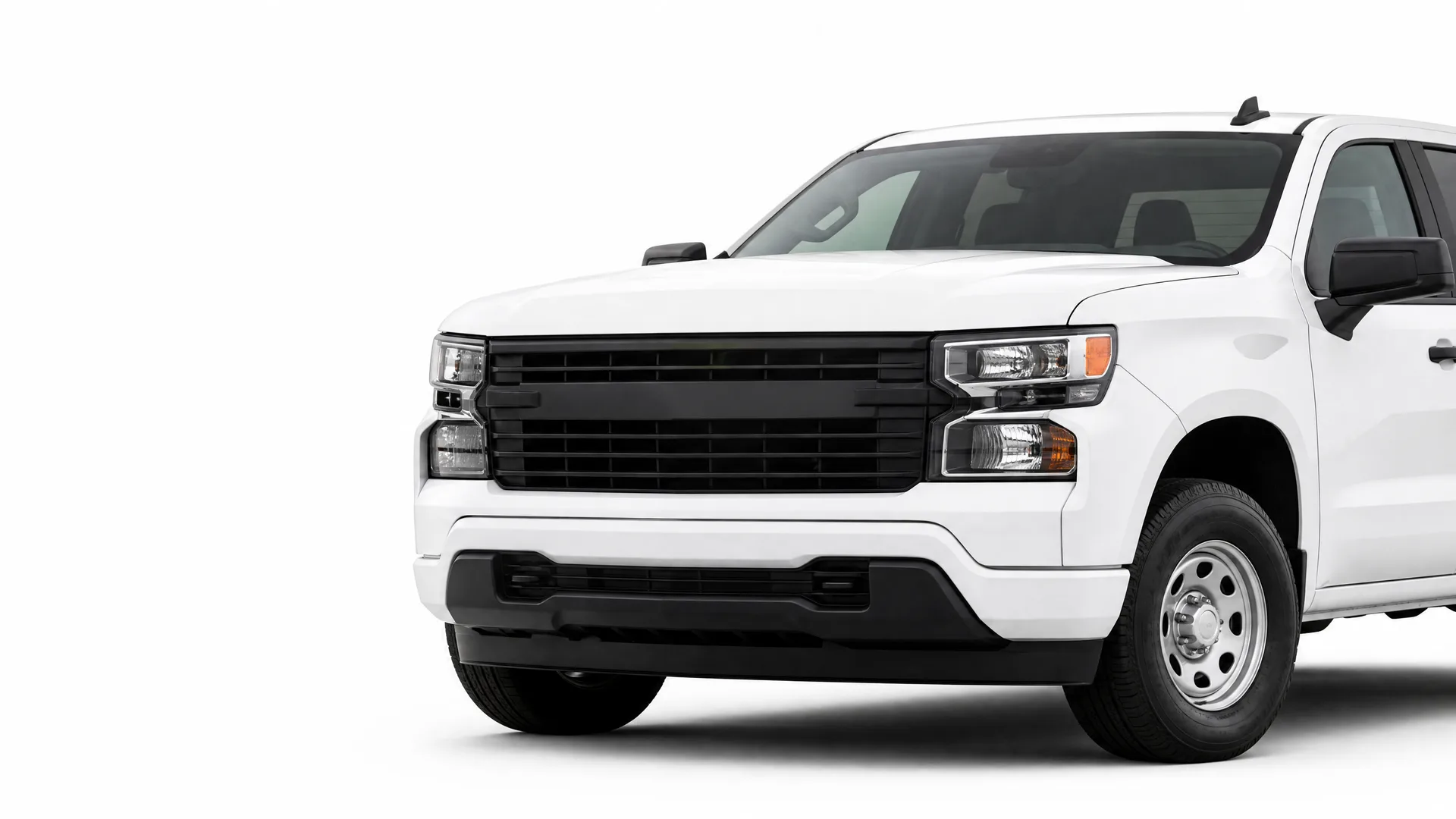
The part type matters less than whether it fits and functions exactly as it should.
Once you know how much control you want over parts in a future repair, compare quotes that match that preference.

Should you push for OEM parts on this repair
If you do
You ask the shop and insurer directly, get the cost difference in writing, and decide part by part. You end up with a repair that matches your car's original fit where it counts, and you only pay extra where it actually matters to you.
If you don't
You accept whatever the estimate defaults to without asking. Most of the time this works out fine, but on certain parts like complex assemblies, you might end up with a fit issue you have to go back and fix later.
Why the answer depends on the part and the car
OEM parts are made by the same manufacturer that built your car, so they match the original specs exactly. Aftermarket parts are made by other companies to fit the same model, and quality varies a lot between manufacturers. Neither one is universally better, because the right choice depends on what the part does and how precisely it needs to fit.
Insurers often default to aftermarket parts because they cost less, and for many exterior panels that's a reasonable default since the parts are simple and the fit is usually fine. The tradeoff shows up more on complex parts with sensors, wiring, or tight tolerances, where a slightly different part can cause real problems. That's where it's worth asking more questions before the shop proceeds.
Your policy and your state both affect what you're entitled to. Some states have rules about disclosing when aftermarket parts are used, and some policies let you upgrade to OEM for an added cost or as a built-in benefit. Check your declarations page or ask your insurer directly, since this varies and isn't something you should assume either way.
The car's age and warranty status matter too. A newer car still under manufacturer warranty may require OEM parts to avoid voiding coverage on related systems. An older car with no warranty left often doesn't carry that risk, so the cost savings of aftermarket parts become the more relevant factor. Matching the choice to your specific car avoids overpaying or risking a warranty problem unnecessarily.