Buying a New Car After an Accident
You can buy a new car after an accident, but what your old policy and claim are doing right now will shape what the new one costs.
Settle these before you sign for the new car
- Close out the old claim If your current accident claim is still open, finish it first if you can. An unresolved claim can complicate how a new policy is written and what it assumes about your record.
- Know your at-fault status Whether you were found at fault changes what your next premium looks like. Ask your insurer directly where the claim stands, since it may not be fully decided yet.
- Decide on switching insurers You can keep your current insurer or shop around, but a recent accident will follow you either way. Get quotes from a few insurers to compare how each treats your record.
- Match coverage to the new car A new or newer car usually needs different coverage than your old one did. Check whether you need added coverage for the loan or lease on it.
- Time the switch carefully Don't let your old policy lapse while you're arranging coverage for the new car. A gap in coverage can hurt your rates separately from the accident itself.
Replacing a car that was totaled in the accident
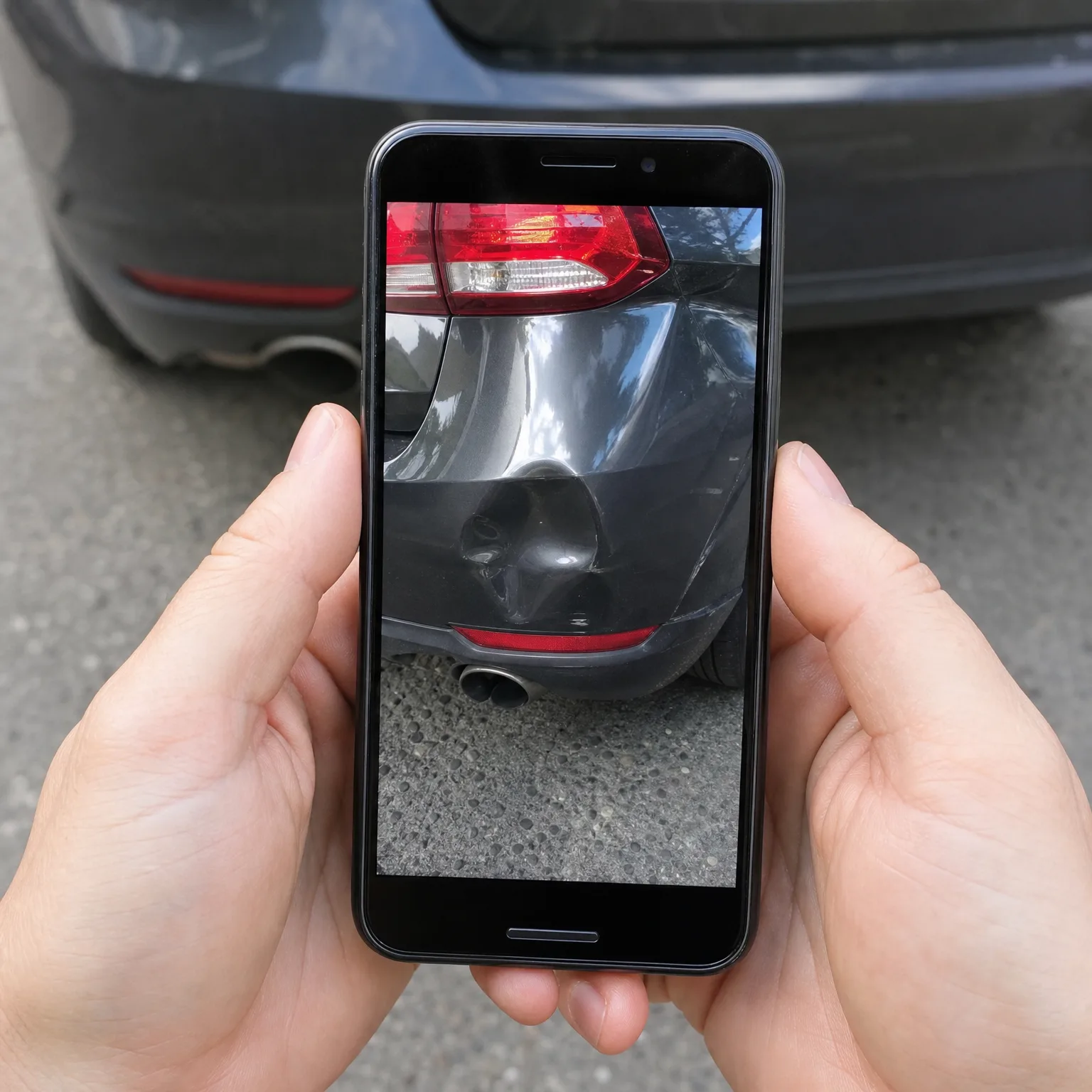
You rear-ended someone at a light and your car was damaged badly enough that the insurer called it a total loss. While that claim was still being processed, you started looking at a replacement car because you needed something to drive. You contacted your insurer to ask how a new car would be covered, since your old policy was written around a car that no longer existed.
The insurer explained that the payout from the totaled car's claim would go toward the new purchase, and that a new policy would need to be set up once you picked a car, not just adjusted. You waited until the claim on the totaled car was settled before finalizing the purchase, because the settlement amount affected what you could afford and what loan you'd need. Once you bought the new car, you got quotes from a couple of insurers to see how each would price it given the open accident on your record. The rates varied, and you picked the one that offered the better combination of price and coverage for the new vehicle.
Once you see how your accident and new car fit together, compare quotes for the right policy on the car you drive now.
Should you wait for the claim to close before buying
If you do
Waiting means the new policy is written with a clear picture of your record. You'll know the final fault decision, the settlement amount if your old car was totaled, and what premium to expect. It takes longer, but you avoid buying a car before knowing what you can afford or what rate you'll get.
If you don't
Buying before the claim closes means your new policy may be set up with an accident still listed as pending. You might get quoted a rate that changes once fault is finalized, and if your old car's settlement isn't done, you may not have full clarity on your budget for the new purchase yet.
Why the accident and the car purchase are linked
An insurance policy covers a specific car, so buying a new one always means a change to your coverage, whether or not an accident happened. What makes this different is that the accident is still active in the background. Insurers price a policy based on your driving record as it stands at the moment they write it, so an open claim or an undecided fault question can show up in the quote for the new car even though the accident involved a different vehicle.
Fault matters because it's one of the main things insurers use to judge risk going forward. If you're found at fault, that generally affects your rate for a period of time regardless of what car you're driving. If the other driver is found at fault, or fault is shared, the effect on your rate may be smaller or absent. Until that's decided, any quote you get is based on incomplete information, which is why timing your purchase around the claim can work in your favor.
If your old car was totaled, there's an added layer because the settlement from that claim often becomes part of how you pay for the new car. The payout amount depends on the car's value before the accident, and that process can take time. Buying before the settlement is final means you might not know exactly how much cash or loan you're working with.
There are cases where waiting isn't practical, like needing a car for work right away. In that situation, you can still move forward, just go in knowing your rate may be quoted provisionally and could be revisited once the claim fully resolves. Ask the insurer directly whether that's how they handle it, since practices differ.
The real variable isn't the new car, it's your open claim, and it decides more about your rate.