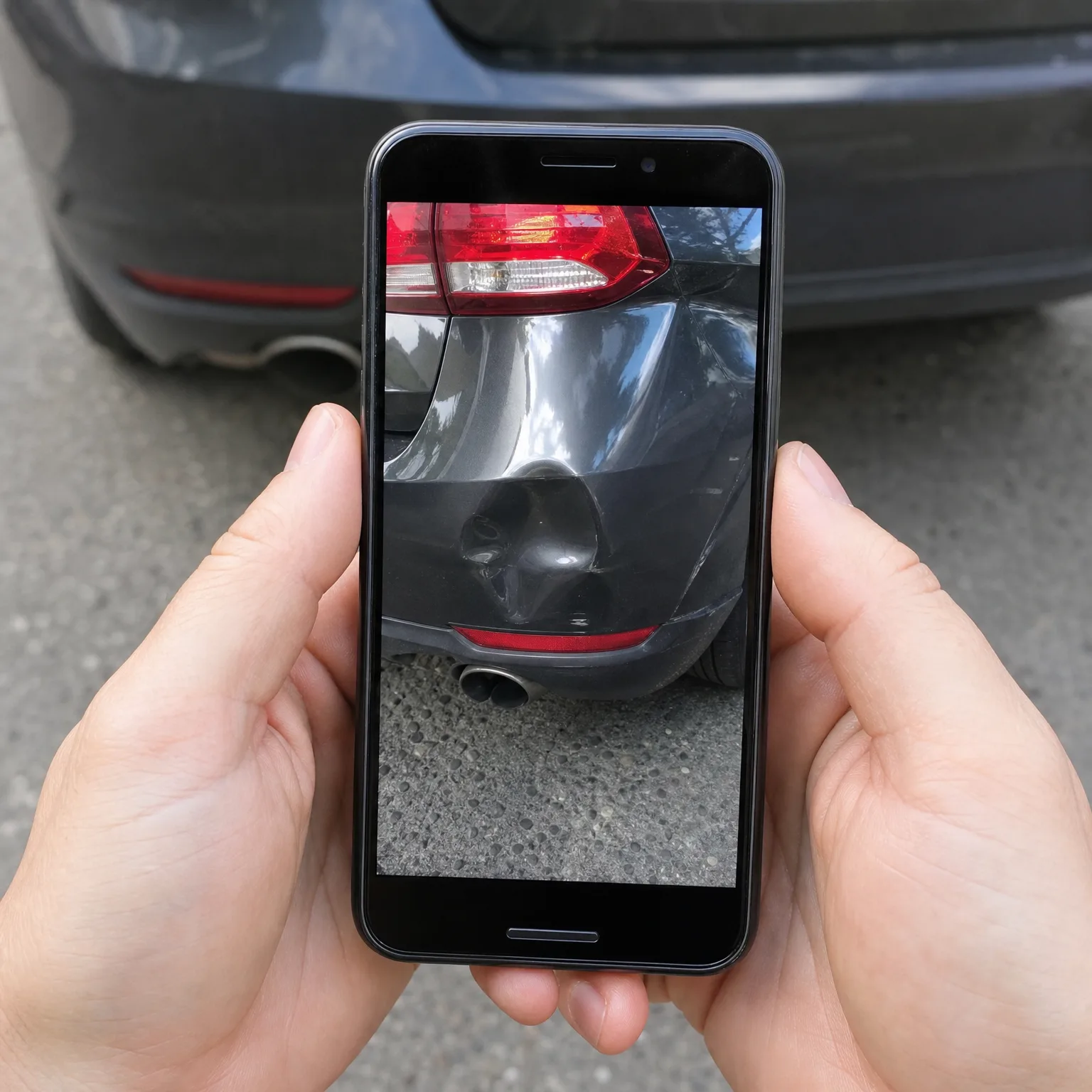
Shopping for Insurance After an Accident
Yes, you can shop for insurance after an accident, and for some drivers it's the smartest move once the claim is settled.
Why your accident changes what insurers are willing to offer you
An accident gets recorded as a claim history, and every insurer looks at that history differently when they price your policy. One insurer might raise your rate sharply, while another weighs it less or even overlooks a single incident if your record is otherwise clean. That's why shopping around after an accident can actually work in your favor instead of locking you into a renewal increase from your current insurer.
The timing matters though. If your claim is still open, especially one involving injuries or disputed fault, a new insurer may want to know the outcome before they quote you accurately, or they may quote you now and adjust once the claim closes. Switching mid-claim also means your new insurer isn't the one handling your payout, so you'd still deal with your old insurer or the other driver's insurer until it resolves.
Fault plays a role too. If you were found at fault, expect most insurers to factor that in for a period of time that varies by insurer and by state. If fault is shared, unclear, or belongs to the other driver, your rate impact may be smaller or nonexistent, which is worth confirming before you assume shopping won't help.
There are cases where staying put makes more sense, like when you have accident forgiveness or a long loyalty discount that a new insurer can't match. Check your current policy for those features before you start comparing elsewhere.
Will switching insurers erase the accident from my record?
No. The accident stays part of your driving history regardless of which insurer you choose, and it can show up when any insurer pulls your record during underwriting. Switching changes who is pricing your risk, not the history itself.
What changes is how much weight a given insurer puts on that history. Some weigh recent accidents heavily, others look more at your overall pattern over time. That's the real reason shopping after an accident can lower your cost, not because the accident disappears, but because you're finding an insurer whose formula treats it more favorably. How long it affects pricing, and how much, varies by insurer and by state, so ask directly when you get quotes.

Switching insurers now versus waiting until renewal
If you do
You can lock in a rate before your current insurer's renewal increase hits. Have your claim details and policy info ready. If your claim is still open, be upfront about it, since finding out later can affect your new policy. You may also lose loyalty discounts or forgiveness benefits tied to your old insurer.
If you don't
Your premium will likely rise at renewal once the accident is factored in. You keep any accident forgiveness or loyalty pricing already built up. You avoid comparing quotes right now, but you pay more for that convenience until you shop or your record ages past the point insurers weigh it heavily.
Now that you know whether shopping makes sense, compare quotes to see what your accident actually costs you elsewhere.

What to check before you compare quotes
- Claim status If your claim is still open, know that final costs or fault determination could still change. Get a written status update from your insurer before you request quotes elsewhere.
- Fault determination Find out exactly how fault was recorded, since shared or disputed fault affects pricing less than a clear at-fault finding. Ask your insurer for the official fault assignment if one exists.
- Current policy perks Check for accident forgiveness, loyalty discounts, or claim-free pricing tiers you'd lose by switching. Weigh that loss against any savings a new quote offers.
- Coverage levels Decide if you want the same coverage limits and deductibles or want to adjust them based on what this accident taught you about your risk. Compare quotes at matching coverage, not just matching price.
- Multiple quotes Get quotes from several insurers since each prices accident history differently. One insurer's increase doesn't predict what another will charge you.
A driver who slid on ice and shopped around after the claim closed
A driver lost control on an icy road and slid into a guardrail, causing damage but no injuries. They filed a claim, their insurer covered the repair, and the accident was recorded as at-fault since no other vehicle was involved to share responsibility. At renewal, their premium rose noticeably, prompting them to look at other options instead of accepting the increase.
They gathered their claim summary and policy details, then requested quotes from a few insurers, explaining the accident honestly when asked. One insurer weighed single at-fault accidents less heavily than their current company did, especially given the driver's otherwise clean history, and offered a lower rate even with the accident on record. They switched once the new policy was confirmed active, timing it so there was no coverage gap between the old and new policy.
Will my current insurer drop me because of this accident?
It's possible but not automatic, and it depends on your insurer's policies and your state's rules around nonrenewal. Insurers are more likely to drop drivers with multiple recent incidents or a severe accident involving injuries than a single minor claim. Check your renewal notice closely, since insurers typically must tell you in advance if they're not renewing you, and ask your agent directly if you're unsure where you stand.
Can the other driver sue me even though insurance is involved?
Yes, a lawsuit is still possible, especially if injuries or damages exceed what your coverage pays out. Insurance is meant to cover claims within your policy limits, but if costs go beyond that, the other driver can pursue you directly for the difference. This is part of why checking that your liability limits are adequate matters, particularly after an accident where someone was hurt or property damage was significant.
How long does an accident actually affect my rate?
It varies by insurer and by state, so there's no single answer, but it's typically a period of several years rather than indefinitely. Some insurers taper the impact gradually, charging less extra each year, while others apply a flatter increase until the accident ages off entirely. Ask any insurer you're getting quotes from directly how they handle this, since it affects whether switching now or waiting serves you better.