Whether Your Liability Limits Are Enough
Your liability limits are enough only if they cover the worst damage you could realistically cause to someone else.
Your limit is the ceiling, you pay whatever goes past it
Liability coverage pays for the other person's damage when you're found at fault, not yours. It covers their car, their medical bills, and in serious cases their lost income or long-term care. If those costs go past your limit, you are personally on the hook for the rest, and that debt doesn't disappear because you had a policy.
The reason limits matter so much is that a single bad accident can cost far more than a typical one. A rear-end at a light might total one car. A crash that causes an injury can rack up medical bills, rehabilitation, and missed work that add up fast. Your limit is the ceiling on what your insurer pays, and anything above it becomes your problem to solve out of your own assets or future wages.
What counts as enough depends on what you have to lose and what you drive near. Someone with a home, savings, or steady income has more exposed if they're sued for damages beyond their limit. Someone driving often in heavy traffic or near expensive vehicles faces higher odds of a costly claim. There's no universal number that fits everyone, which is why this is a personal calculation, not a fixed rule.
States set minimum limits you're required to carry, and those minimums vary and are usually set low, meant to meet a legal floor rather than realistic costs. Many drivers carry more than the minimum once they understand the gap between what state law requires and what an actual serious accident can cost. Check your state's minimum and your policy's current limit side by side, because the difference between them is exactly the risk you're carrying yourself.

A rear-end turns into a bigger bill than the driver expected
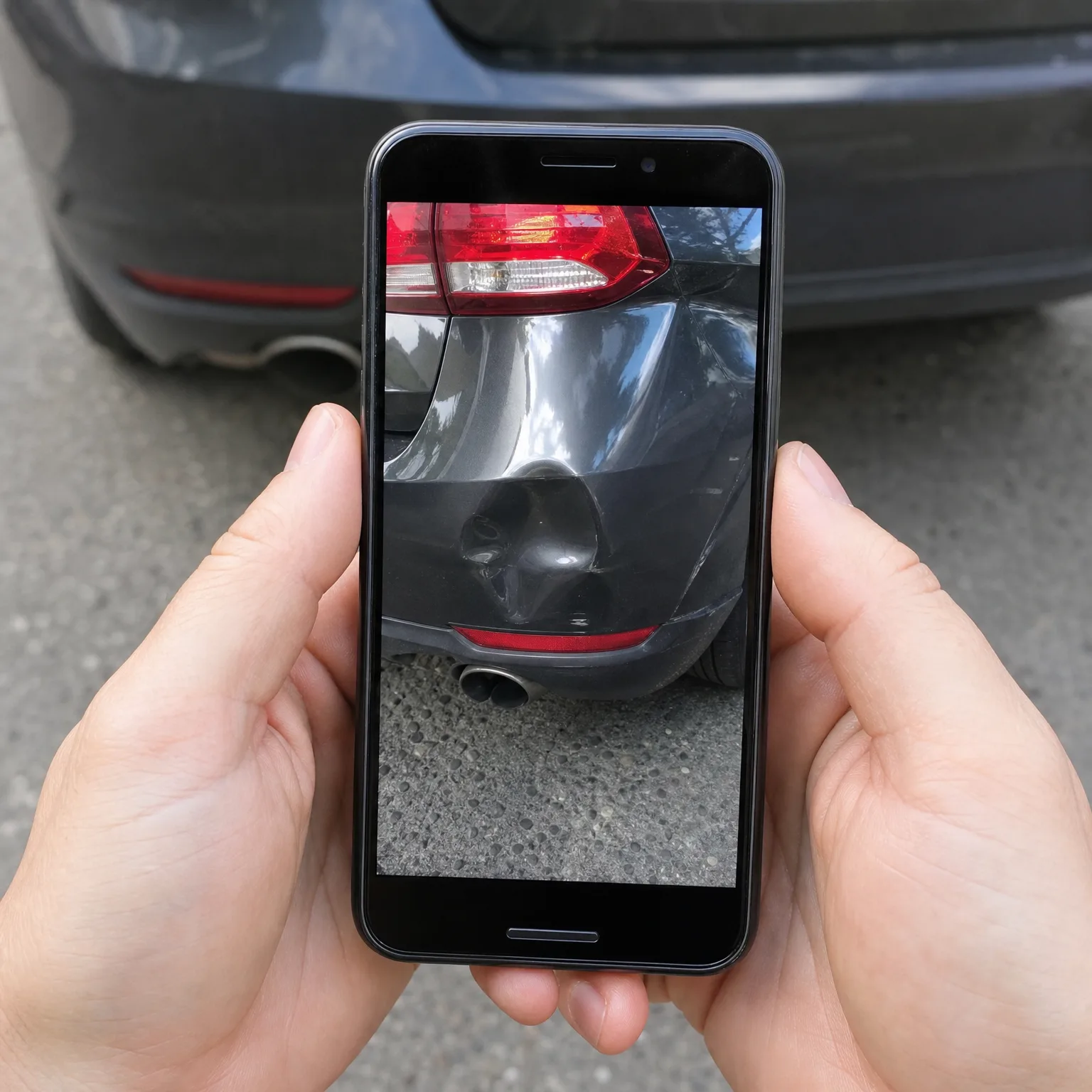
A driver rear-ended another car at a light during rush hour. The damage to the other car looked moderate, a bumper and trunk repair, nothing dramatic. But the other driver later reported neck pain and went through weeks of physical therapy. What started as a routine fender bender turned into a claim covering vehicle repair, medical treatment, and a portion of missed work.
The at-fault driver had carried the state minimum liability limit for years without thinking about it. The total claim came close to that limit, closer than they expected for what looked like a minor crash. They weren't sued this time, because the claim stayed just under the ceiling, but it was a clear warning. After the claim settled, they raised their liability limits well above the state minimum, reasoning that a slightly higher premium was worth not gambling their savings on the chance that the next accident might not stay so small.
Will raising my liability limits actually cost much more?
Usually the increase in cost is smaller than people expect relative to the increase in protection. Liability coverage is often priced in steps, and moving up a tier typically costs less per added amount of coverage than the base tier did. This is because higher limits only pay out in the less common, more severe claims, so insurers spread that risk thinly across a step increase.
The only way to know for your situation is to ask for quotes at a few different limit levels and compare them side by side. Ask your insurer or agent to show you the cost difference between your current limit and the next one or two tiers up. That comparison tells you exactly what more protection costs you, instead of guessing.
Now that you know what your limits need to cover, compare quotes at higher levels and see what more protection costs.

Whether to raise your liability limits now
If you do
You pay a bit more each period, but your next serious claim has more room before it becomes your personal debt. If you cause an injury accident, the higher limit absorbs more of the medical and income costs. You reduce the chance of being personally sued for the amount your policy doesn't cover.
If you don't
You keep your current premium, but you're betting that your next accident stays small. If it doesn't, and costs exceed your limit, you pay the difference yourself, through savings, assets, or a judgment against your future income. The gap between your limit and the real cost becomes your personal risk.
Does raising my liability limits affect my full coverage or just liability?
It affects only liability, not your collision or comprehensive coverage, which are separate parts of your policy with their own limits. Raising liability changes how much your insurer pays someone else when you're at fault. Your own car's damage is covered under different coverage entirely, so check that those limits and deductibles are also where you want them, since they don't move together.
How does an insurer decide I was at fault after an accident?
Fault is usually decided by the insurer's adjuster reviewing police reports, statements from both drivers, and sometimes photos or witness accounts. State rules about fault vary, with some splitting fault by percentage between drivers. Check with your insurer how fault determinations work in your state, since that affects whether your liability coverage applies at all or only partly.
Should I buy an umbrella policy instead of just raising auto limits?
An umbrella policy adds a layer of liability protection above your auto and home limits, and it's worth considering once your auto liability limit is already reasonably high. It usually requires you to carry a minimum underlying auto limit first. Ask an agent whether your state and insurer allow this combination and what underlying limit you'd need to qualify.