What Is a Surcharge on an Insurance Policy
A surcharge is an added amount your insurer charges after an at-fault accident or violation, on top of your normal rate.
It's how insurers price the risk you just showed them
A surcharge exists because an insurer prices your policy based on how likely you are to cost them money. When you cause an accident or get a violation, that likelihood just went up in their eyes, and the surcharge is how they collect for that added risk going forward. It's not a fine and it doesn't go to the other driver. It simply raises what you pay for continuing coverage.
The amount and the trigger for a surcharge vary by insurer and by state. Some insurers surcharge for any at-fault accident, others only above a certain cost, and some states regulate how surcharges can be applied or require specific notice to you. Check your policy documents or ask your insurer directly how their surcharge schedule works where you live.
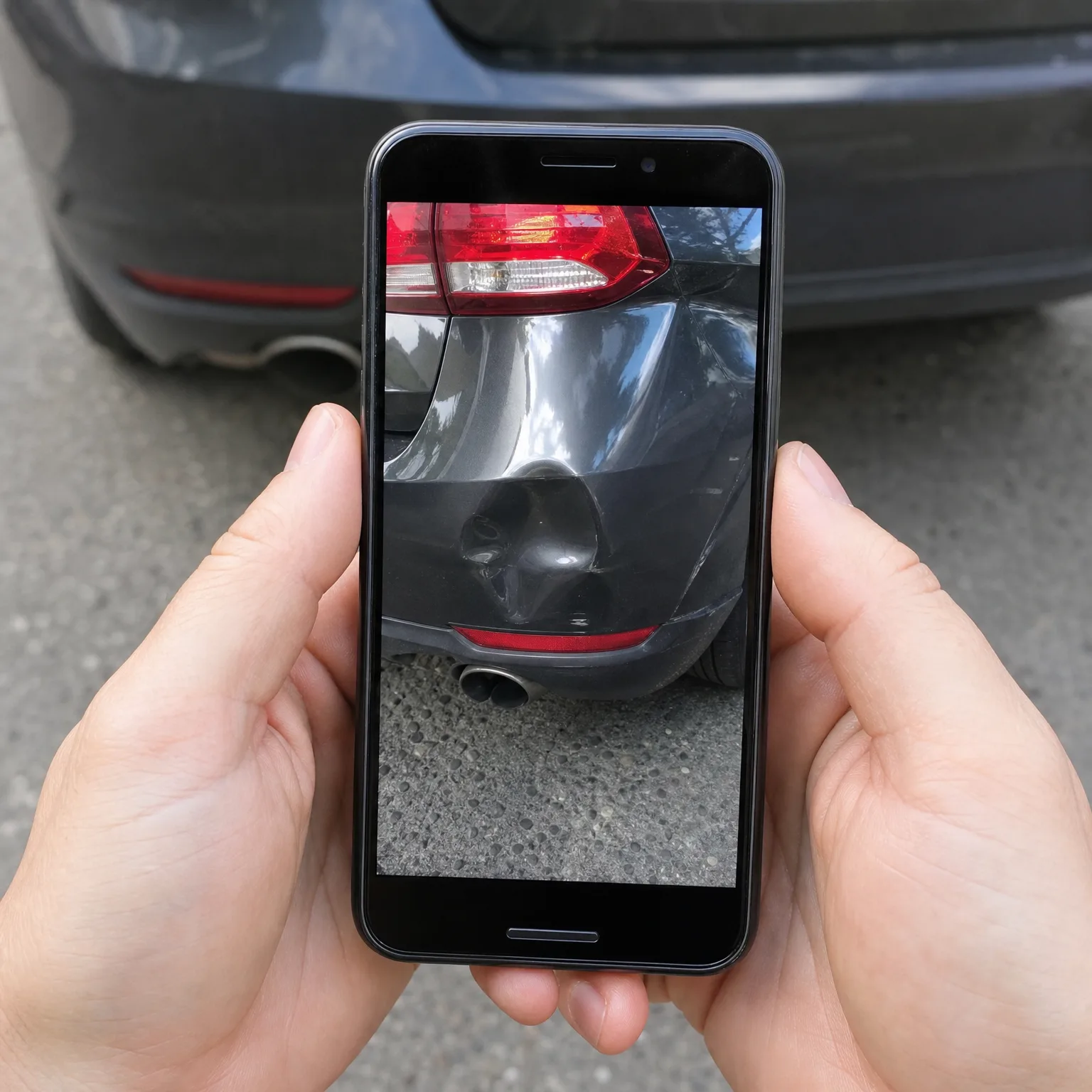
There are cases where a surcharge doesn't apply even after an at-fault accident. Some insurers offer accident forgiveness, usually earned through years of clean driving or bought as an add on, which waives the surcharge for a first incident. A minor accident paid entirely out of pocket, without filing a claim, also typically avoids a surcharge since the insurer never recorded a loss.
The surcharge isn't permanent. It's tied to a review period your insurer sets, often matching how long the incident affects your record with them, and it drops off once that period ends and your history is clean again.

What decides whether you get surcharged
- Fault determination Surcharges typically apply when you're found at fault. Wait for your insurer's fault decision before assuming a surcharge is coming.
- Claim filed or not A surcharge usually only follows a recorded claim. If you pay out of pocket and never file, there's often nothing to surcharge.
- Cost of the claim Some insurers only surcharge above a certain payout amount. Ask your insurer where that line sits before deciding how to handle a small claim.
- Forgiveness programs Accident forgiveness can waive a surcharge for a first at-fault accident. Check if your policy includes it or if you qualify to add it.
- How long it lasts Surcharges expire after a set review period, not forever. Ask your insurer exactly when yours is scheduled to drop off.

A surcharge isn't a punishment, it's a recalculated price, and that price has an expiration date.
Once you know how the surcharge works and how long it lasts, compare quotes to see what you'd actually pay now.
Will the surcharge show up on every renewal until it expires?
Yes, typically. Once a surcharge is applied, it usually stays on your policy through each renewal until the review period your insurer set has passed, not just for one term.
That period is set by the insurer and sometimes shaped by state rules, so it can run longer or shorter than you'd expect. Ask directly for the date or term count when it will be removed, since it's rarely obvious from the bill alone.
If you switch insurers before it expires, the new insurer may or may not see or apply the same surcharge. It depends on what shows on your claims history report and that insurer's own rules, so ask before you assume a switch clears it.

Does a surcharge show up on my driving record or just my insurance bill?
It shows up with your insurer, not on your state driving record. A surcharge is an insurance pricing tool, separate from the points or violations your state's motor vehicle agency tracks. Your insurer keeps it in your claims history, which other insurers can see when you apply for coverage, but it's not the same record a police officer or court checks.
Can I negotiate or remove a surcharge after an accident?
Sometimes, but it depends on the insurer and the reason for the surcharge. If the fault determination was wrong or new evidence changes it, ask your insurer to review the claim. If forgiveness or a clean history applies, ask if it qualifies you for a waiver. Otherwise most surcharges run their set course and simply expire over time.
Will a surcharge affect my rate if I switch insurance companies?
It can, because the new insurer usually checks your claims history report before pricing your policy. If the at-fault accident shows there, they may apply their own surcharge even though you're starting a new policy. Ask any insurer you're considering how they treat a recent at-fault accident before you switch, since the answer varies by company.