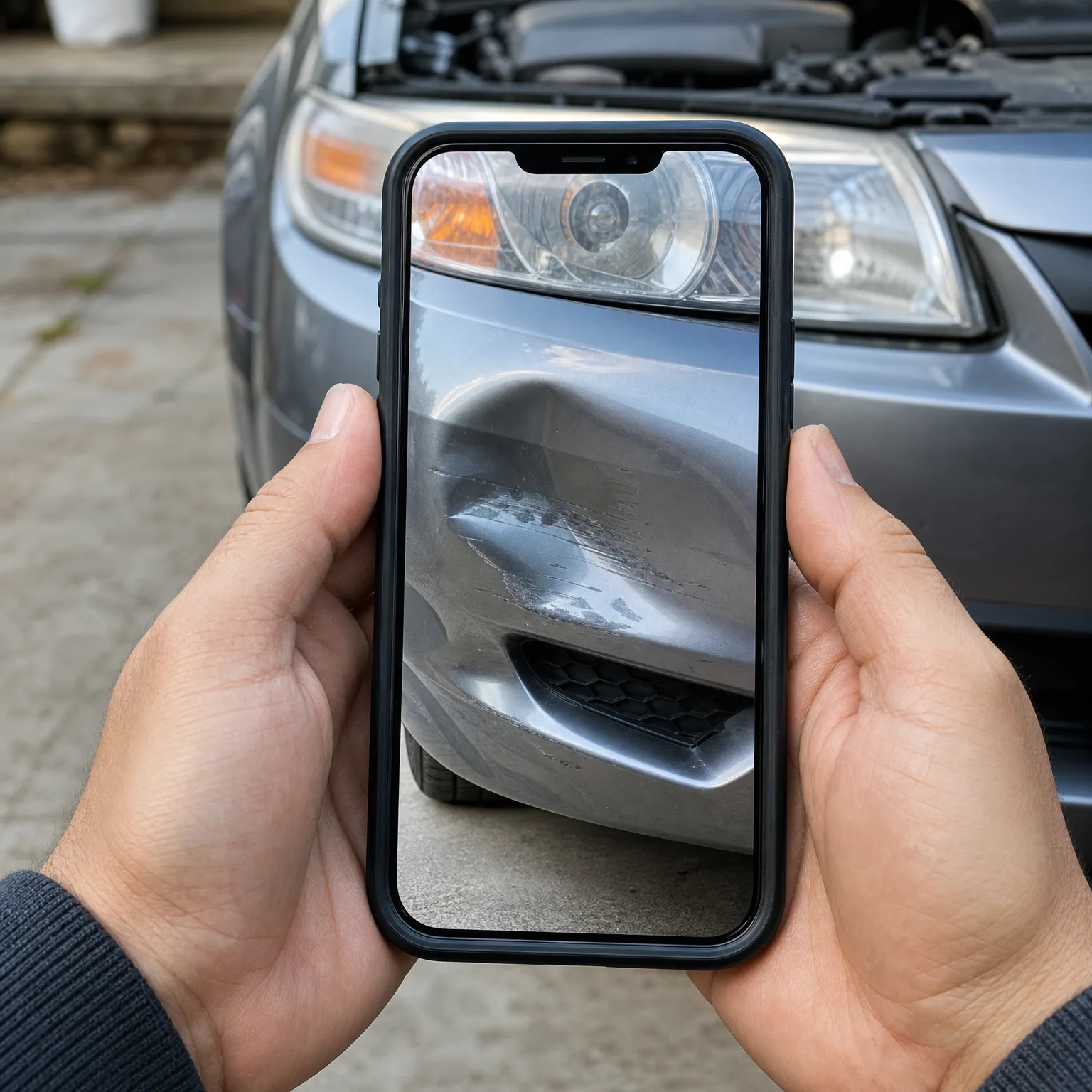
What Does Accident Forgiveness Mean in Auto Insurance
Accident forgiveness means your insurer won't raise your rate for one at-fault accident, if you already qualify for it.
It's a promise your insurer makes before the accident, not after
Accident forgiveness is a feature attached to your policy, usually earned through years of clean driving or added as paid coverage, that tells your insurer not to use your next at-fault accident to raise your premium. It has to already be on your policy when the crash happens. You can't call afterward and ask for it, the way you might ask about payment plans or claim timelines.
The reasoning behind it is simple. Insurers price risk based on your history, and one accident after years of safe driving doesn't predict your future the way a pattern of accidents does. Forgiveness lets the insurer keep a good customer without punishing a single mistake, and it keeps you from shopping for a new insurer out of fear the first time something goes wrong.
Where it varies is in how it's earned and what it covers. Some insurers give it automatically after enough accident-free years. Others sell it as an add-on you pay for from the start. Some limit it to one accident ever, others renew it after another stretch of clean driving. Some apply it only to the rate impact and still let the accident show on your record with the insurer, which matters if you switch companies later. Check your policy documents or ask your insurer directly how yours works, because the name sounds the same everywhere but the rules behind it don't.
It also doesn't erase the accident itself. It stops the premium increase, but the claim still happened, the payout still happened, and if the other driver was hurt or sued, forgiveness has no bearing on that. It protects your rate, not your record and not your liability.

What forgiveness changes and what it doesn't
- Rate stays the same The accident won't push your premium up the way it normally would. This only works if forgiveness was already active before the crash.
- Record still shows it The accident can still appear in your claim history with the insurer. Ask whether forgiveness also hides it from that record or only the rate.
- One accident, usually Most forgiveness covers a single at-fault accident before it resets or runs out. Check if yours renews after a clean stretch or is used up for good.
- Doesn't cover liability If you're sued or the other driver's damages exceed your limits, forgiveness has no effect there. Review your liability limits separately after any accident.
- Switching insurers can lose it Forgiveness usually doesn't transfer if you change companies. Confirm this before shopping a new quote if protecting your current forgiveness matters to you.
Forgiveness only works if it was already on your policy, so check your status before the accident, not after.
Compare quotes knowing whether you already have forgiveness or need to ask for it next time.

Checking your forgiveness status before you file
If you do
You find out now whether this accident will raise your rate or not, instead of guessing. You can decide whether to file a claim or pay out of pocket with real information. If you don't have forgiveness yet, you know to ask your insurer about adding it going forward, before the next incident.
If you don't
You file the claim without knowing what happens to your premium, and find out at renewal, which is too late to change anything. You might pay out of pocket for a small claim unnecessarily, or get surprised by a rate hike you could have anticipated and planned around.
Does accident forgiveness mean my rate can never go up?
No, it only protects you from the increase tied to one specific accident. Other factors can still raise your rate, including unrelated tickets, other claims, or your insurer's broader rate changes across all customers. It also typically covers one accident at a time, so a second at-fault accident soon after usually isn't protected unless your forgiveness has already renewed. Check your policy for how many accidents it covers and over what stretch of time, since this is one of the biggest differences between insurers.
How do I find out if I already have accident forgiveness?
Check your policy declarations page or account summary, where it's often listed as a named feature or endorsement. If you can't find it there, call your insurer and ask directly, since some include it automatically based on years of clean driving while others require you to request or purchase it. Don't assume you have it just because you've driven a long time without an accident. Confirm it in writing or in your account before you decide how to handle a new claim.
Will accident forgiveness help if the other driver sues me?
No, it has no effect on liability claims or lawsuits. Forgiveness only prevents your premium from rising because of the accident, it does nothing to change what you owe the other driver or how a lawsuit plays out. If you're worried about being sued, that concern is about your liability limits and legal defense coverage, not about forgiveness. Review your liability coverage separately, especially if the other driver was injured or their damages could exceed your policy limits.