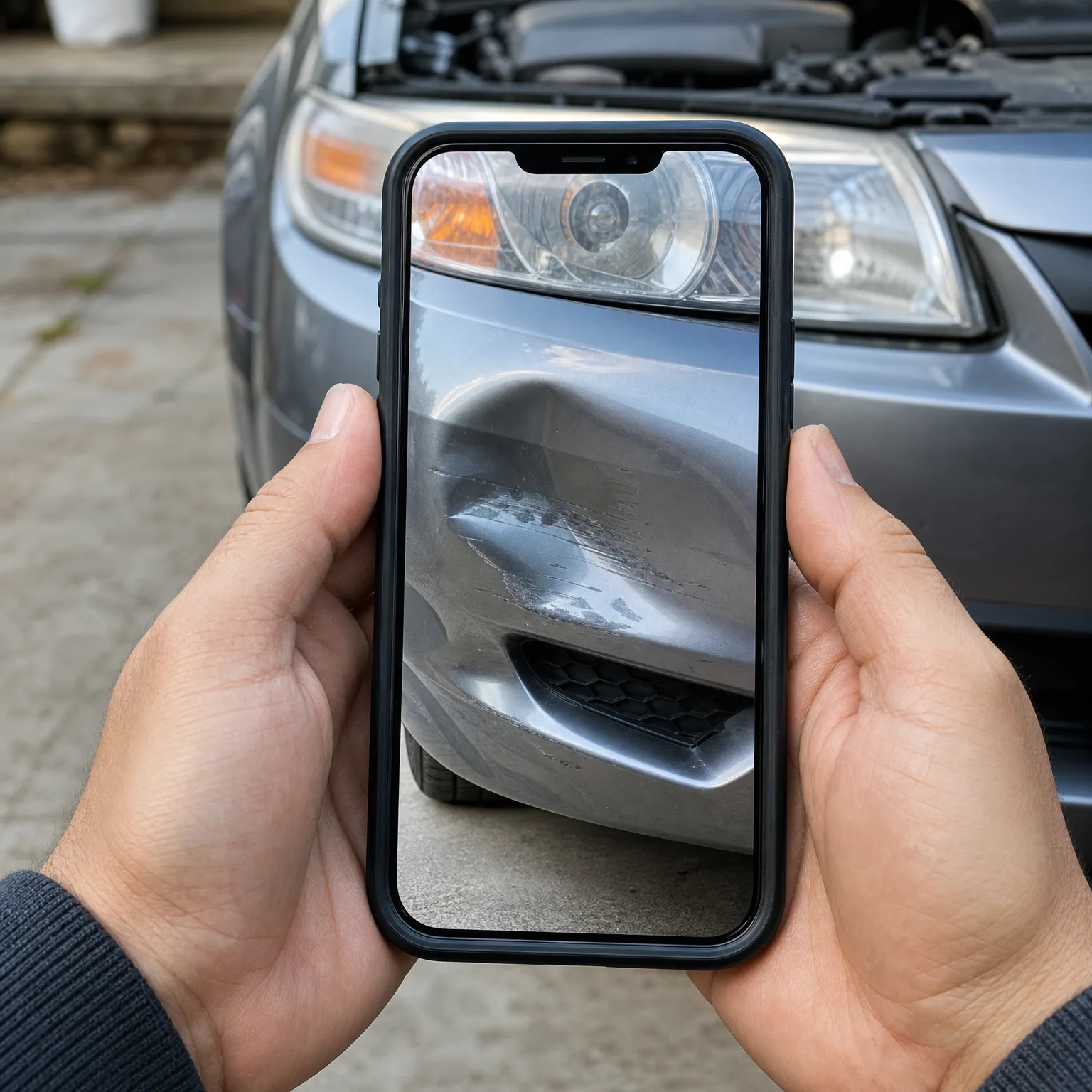
Does Accident Forgiveness Actually Work
Accident forgiveness works as advertised, but it only stops your rate from rising, not the claim from counting against your history.

A rear-end claim with forgiveness already on the policy
You tapped the car ahead of you at a light, causing enough damage that the other driver wanted it fixed properly. You filed a claim because the repair cost was more than you wanted to carry yourself. The insurer paid out, assigned you fault, and the claim went into your history like any other.
At renewal, you braced for a rate increase. It didn't come. The policy had accident forgiveness attached from a prior year of clean driving, and the insurer applied it automatically to this claim. Your premium stayed the same that term. But when you shopped a quote with a different insurer the following year, the new company saw the at-fault accident on your record and priced around it anyway, because forgiveness only bound the insurer that offered it.
Does accident forgiveness erase the accident from my record?
No. Forgiveness changes what your insurer does with the accident, not whether it happened. The claim still shows up in your claims history and in the reports insurers pull on you. What forgiveness does is instruct your current insurer not to raise your rate because of that one claim.
That distinction matters most when you switch insurers. The new company isn't bound by the forgiveness your old insurer granted. They'll see the accident in your history and may price your policy as if it counts, even though your previous insurer treated it as forgiven. If staying with the same insurer long-term matters to your rates, that's a reason to weigh before shopping around right after a forgiven claim.

Using forgiveness on this claim instead of paying out of pocket
If you do
Your insurer applies forgiveness and your rate stays where it is this term. The claim still gets recorded as at-fault in your history. If you switch insurers later, the new one may still see and price around it, so forgiveness protects this policy, not your record elsewhere.
If you don't
You pay for the damage yourself and never file a claim. Nothing gets recorded, so there's nothing for forgiveness to apply to and nothing for a future insurer to find. This only makes sense if the cost is small enough that paying it yourself doesn't hurt more than a rate increase would.
Once you know what forgiveness actually protects, compare quotes to see what this accident costs you either way.

What decides whether forgiveness actually helps you
- Whether you already have it Forgiveness usually has to be on your policy before the accident happens. Check your declarations page or ask your insurer directly whether it was active at the time you filed.
- How many accidents it covers Most versions forgive one at-fault accident, not a pattern. If you've had a prior claim recently, ask whether this one still qualifies or whether the forgiveness was already used.
- Which insurer you choose next Forgiveness binds the insurer who granted it, not the industry. If you shop quotes elsewhere, the new insurer may price the accident in anyway.
- How your state treats it Some states restrict or regulate how forgiveness programs work. Ask your insurer or agent whether your state allows the version they're offering.
- What it costs to have Forgiveness is often an add-on with its own cost, sometimes bundled into a tier of coverage. Ask whether you're already paying for it or would need to add it before it can apply.
Why forgiveness only protects the rate, not the record
Accident forgiveness is a promise an insurer makes to you, not a change to how accidents are tracked. The insurer agrees that if you have a clean record up to this point, they won't use one at-fault accident against your premium. That's a business decision they make to keep good customers from leaving after a single mistake. It doesn't touch the underlying fact of the accident, which still exists in claims databases that any insurer can access.
This is why forgiveness feels different depending on whether you stay or switch. If you stay with the same insurer, you get the full benefit, because they're the one who made the promise and they're the one applying it at renewal. If you leave, you're asking a different company to honor a deal they had no part in. They'll look at your history the way they look at anyone's, and an at-fault accident is an at-fault accident to them, forgiven or not.
There are cases where this works out better than it sounds. Some insurers note in your file that a claim was forgiven, and that notation can occasionally soften how a new insurer treats it during underwriting, especially if you ask them to look at it. It's not guaranteed, but it's worth raising when you shop, rather than assuming the forgiveness simply vanished.
The other variable is how your specific policy defines forgiveness, since this isn't standardized. Some programs require a waiting period before they kick in, others apply only below a certain severity of accident, and some phase in gradually rather than all at once. Reading your policy's actual terms, or asking your agent directly, tells you more than assuming it works the way a commercial implied.