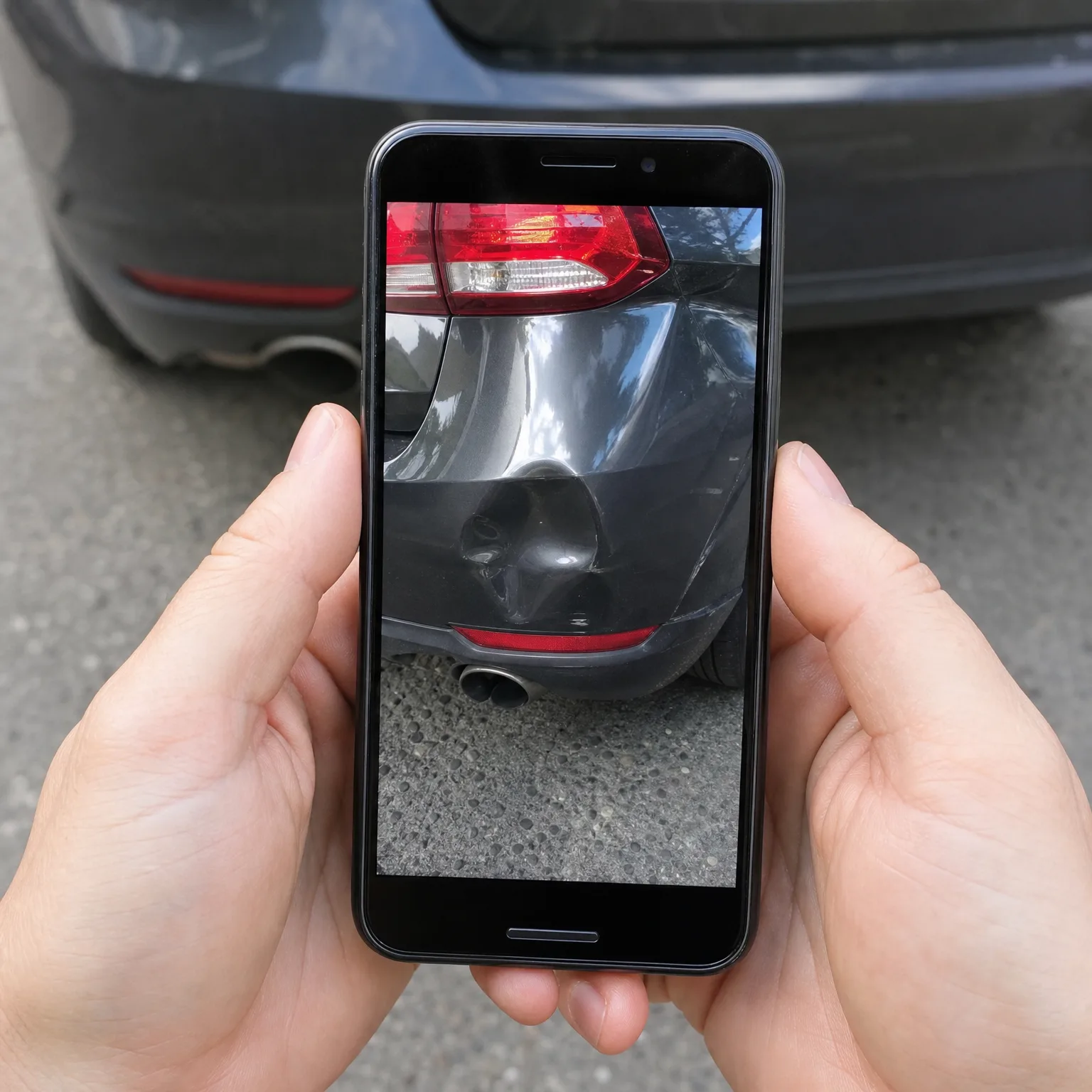
What Is a No-Fault State
In a no-fault state, your own insurance pays your medical bills after an accident no matter who caused it.
Your insurer pays you first so claims settle faster
No-fault rules exist to get injury claims paid quickly without everyone waiting on a fault investigation or a lawsuit. After your accident, you turn to your own policy's personal injury protection or medical payments coverage first, even if the other driver ran the light or hit you from behind. Fault still gets determined behind the scenes, but it doesn't hold up your payment.
This only applies to injury costs, not vehicle damage. Getting your car fixed still runs through the normal claims process, and whoever caused the accident is typically responsible for that repair bill through their property damage liability coverage. So you may find yourself filing two different kinds of claims after the same accident, one with your own insurer for injuries and one against the other driver for your car.
No-fault also limits when you can sue the other driver for injuries. Most no-fault states only let you step outside the system and file a lawsuit if your injuries are serious enough to cross a threshold the state sets, or if your costs exceed what your policy covers. That threshold and how it's measured varies by state, so check your state's specific rule rather than assume.
Not every state works this way. Some are pure fault states where the at-fault driver's insurer pays from the start, and a few use a hybrid system with some no-fault features layered on. Whether you're in one of these matters for how you file, so confirm your state's system before you decide how to handle your claim.
What a no-fault rule actually changes for you
- Your insurer pays first Your own policy covers your injury costs right after the accident, regardless of fault. Check what injury coverage your policy includes and its limits.
- Fault still gets decided Someone is still found at fault behind the scenes, and it can affect your rates later. Ask your insurer how they determine fault in your case.
- Vehicle damage works differently Property damage usually still follows fault, separate from your injury claim. Expect to file a second claim against the other driver's insurer for your car.
- Suing has limits You can only sue the other driver if your injuries meet your state's threshold. Ask your insurer or an attorney whether your injuries qualify.
- Your state's rule matters Not every state is no-fault, and some use a hybrid system. Confirm which system your state uses before assuming how your claim will work.

Now that you know how your state handles fault, compare quotes to see how much injury coverage you actually need.

Filing your injury claim with your own insurer
If you do
You report the accident to your own insurer and open an injury claim right away. They start covering your medical costs under your policy's injury coverage without waiting to determine who caused the crash. Your treatment gets paid faster, and you avoid gaps in care while fault is still being sorted out behind the scenes.
If you don't
If you wait or try to handle injury costs out of pocket first, you risk missing deadlines your insurer sets for reporting claims. You may end up paying upfront for care you could have been reimbursed for immediately. Delaying also makes it harder to connect your injuries to the accident if questions come up later.
Does a no-fault accident still affect my insurance rates?
Yes, it can. No-fault only changes who pays your injury costs first, not whether the accident shows up on your record or influences your rates. Insurers still determine fault internally, often through their own investigation or shared accident reports, and that determination can follow you.
If you're found at fault, or even partly at fault depending on your state's rules, your insurer may treat this like any other at-fault accident when your policy renews. Some insurers offer accident forgiveness that prevents a first accident from raising your rates, but that's specific to the insurer and not guaranteed. Ask your insurer directly how they weigh a no-fault claim against your record, since this varies and matters for what you do next, including whether filing a claim at all makes sense for a minor accident.

No-fault decides who pays first for injuries, not who was actually at fault or what happens to your rates.