Partial Fault and Shared Blame
Being partly at fault means your insurer pays part of the claim and raises your rate, even if the other driver was mostly to blame.
What shared fault actually changes
- Your percentage matters Insurers assign each driver a share of fault based on the facts. That percentage decides how much your side pays and how much the other driver's side pays.
- Your rate can still rise Even partial fault often counts as an at-fault accident for pricing. Ask your insurer directly how they treat split-fault claims before you decide how to proceed.
- The other driver can still file Shared fault doesn't block a claim against you. Their insurer can still seek your share of their damages through your policy.
- Your state's rule changes math Some states reduce what you can collect based on your fault share, others cut you off entirely past a certain point. Check your state's rule before assuming what you'll recover.
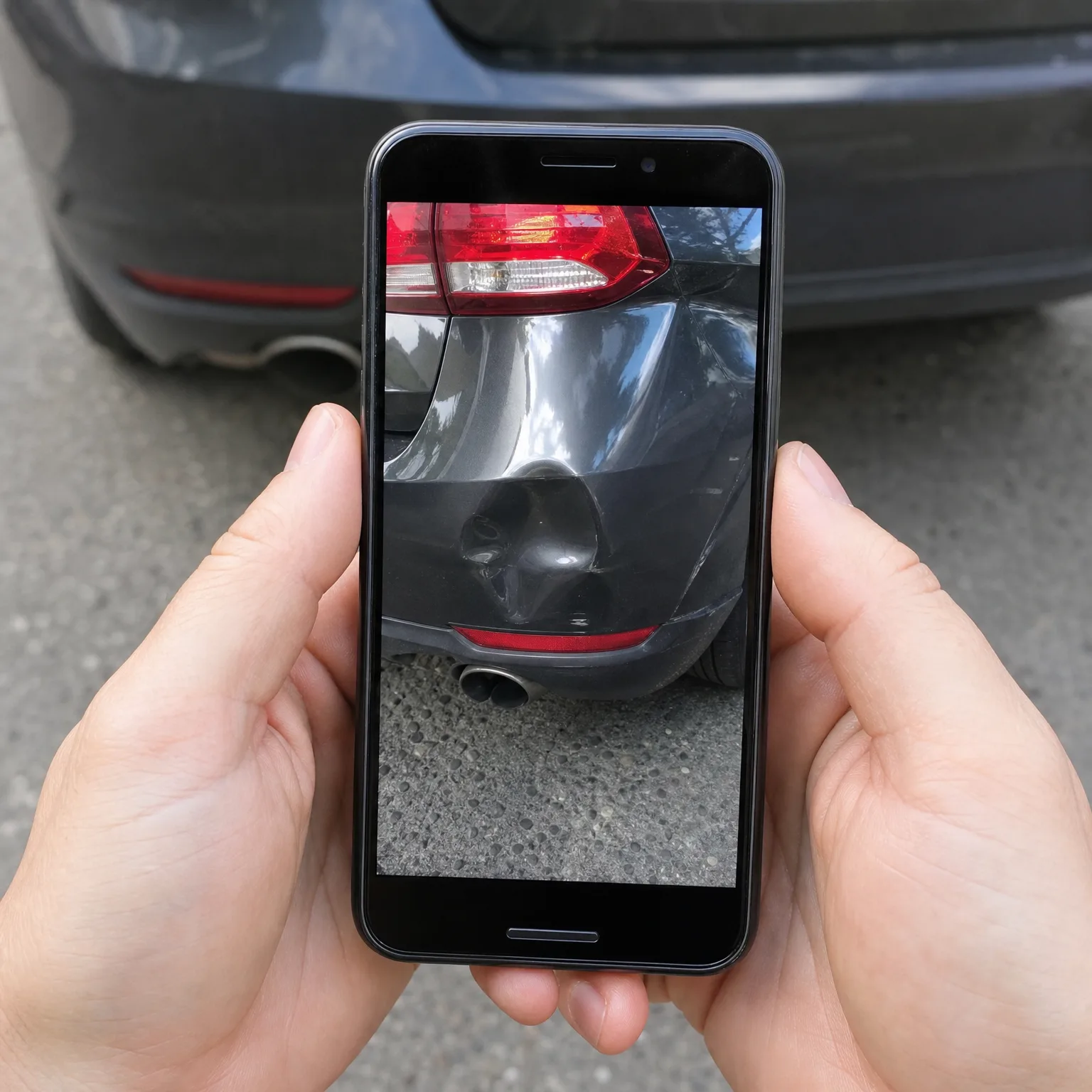
- Evidence decides the split Photos, witness statements, and the police report shape the fault percentage. Gather what you can at the scene or soon after, because disputes get harder to resolve later.
Who decides the fault percentage and can you dispute it?
Fault percentage is usually decided by the insurance companies involved, using statements, photos, the police report, and sometimes a reconstruction of the accident if the damage or injuries are serious. There's no single official judge unless the case ends up in court.
You can dispute the percentage. Start by asking your insurer exactly what evidence they used and what would change their assessment. If you have evidence they didn't consider, like a dashcam video or a witness they didn't contact, send it directly. If the two insurers can't agree, the dispute sometimes goes to arbitration between the companies, or you can pursue it independently through small claims court. Keep in mind that disputing fault can take time, and your rate may already reflect the insurer's initial finding while the dispute continues.

Now that you know how fault splits affect your rate, compare quotes to see what this claim costs you.

A left turn that wasn't fully anyone's fault
You were turning left at an intersection when a car came through on a yellow light that had just turned red. You both insist the other was more at fault. There were no witnesses, but a security camera from a nearby store caught the intersection at an angle.
You requested the footage before the store overwrote it, and sent it to your insurer along with your account of the light timing. The footage showed the other driver entering on a stale yellow, but also showed you starting your turn a beat early. The insurers settled on a split, with you holding the smaller share. Your claim still went through as a partial at-fault accident, your rate went up by a smaller amount than it would have at full fault, and the other driver's insurer paid the larger share of the repair costs. Getting the footage early made the difference between a guess and a documented split.
Why fault gets divided instead of assigned whole
Most accidents aren't clean. Two drivers often each do something that contributes, one followed too closely, the other merged without checking a mirror. Insurers know this, so instead of forcing an all-or-nothing finding, many states and most insurance practices allow fault to be split by percentage, reflecting how real intersections and real decisions actually work.
The reasoning underneath this is financial as much as fair. If an insurer paid every claim as if one driver were entirely blameless, it would ignore the role both drivers often play, and premiums would have to account for that blind spot across every policyholder. Splitting fault keeps the cost of an accident tied more closely to each driver's actual contribution to it.
Where this gets complicated is in how your state treats a partial fault finding once it's made. Some places let you recover a reduced amount from the other driver even if you're mostly at fault. Others cut off your ability to recover anything once your share crosses a certain point. This is one of the clearest cases where the general principle, that fault can be shared, doesn't tell you what actually happens to your claim. You have to check the specific rule where you live.
The other variable is your own insurer's internal policy on rate increases. Two companies can agree on the same fault percentage and still handle your renewal differently, because how they weigh a partial-fault accident against a full-fault one isn't standardized. That's a question only your insurer can answer, and it's worth asking directly rather than assuming.
Does partial fault still count against my claims-free discount?
Often yes, because many insurers treat any at-fault accident, even a partial one, as ending a claims-free streak. This isn't universal though. Ask your insurer specifically whether a split-fault finding affects that discount, since some treat a minority fault share more leniently than a majority one. The answer also depends on how long you've held the discount and whether your policy has any accident forgiveness built in already.
Can the other driver sue me directly instead of going through insurance?
Yes, a driver can sue you personally, though it's less common when both insurers are cooperating on a claim. This usually happens when damages exceed what insurance will cover, or when the other driver disputes the fault split and wants a court to decide. If you're sued, your insurer typically provides a legal defense under your liability coverage, but check your policy to confirm what's included and whether there's a cap on legal costs.
Will a partial fault accident show up if I switch insurers later?
Yes, accident history typically follows you through a shared industry reporting system that new insurers check when pricing your policy. How long it stays relevant varies by company, and some weigh a partial fault accident less heavily than a full fault one. When you shop for a new policy, ask directly how they factor in a split-fault accident so you're not surprised by the quote you get.