What Documents Are Needed for a Car Accident Claim
You need photos, contact and insurance information, a police report if one exists, and records of any medical or repair costs.
Documents prove what happened and what it cost
A claim is really just a story you're asking someone else to believe and pay for. The adjuster handling it wasn't there, so every document you provide stands in for something they can't otherwise verify. Photos show the scene and the damage before anything gets moved, repaired, or forgotten. Contact and insurance information let the companies involved figure out who's paying. Without this paper trail, you're asking someone to take your word for it, and insurers are built to not do that.
The police report matters because it's a neutral account written by someone with no stake in the outcome. It often includes details like weather, road conditions, and statements made at the scene that you might not think to write down yourself. Not every accident gets one, especially minor ones, and whether an officer responds can depend on local policy and how serious the damage looks. If no report exists, your own notes and photos carry more weight than they would otherwise.
Medical and repair records matter for a different reason. They turn an estimate into a number backed by evidence. If you saw a doctor, that visit needs to be documented even if the injury seemed minor at the time, because some symptoms show up later and claims are harder to adjust after the fact. Repair estimates work the same way, giving the insurer something concrete instead of a guess.
What counts as enough documentation can vary by insurer and by state, particularly around how fault gets determined and what proof they require for injury claims. Check your policy or ask your insurer directly what they need before you assume you're covered.
What to collect before you file
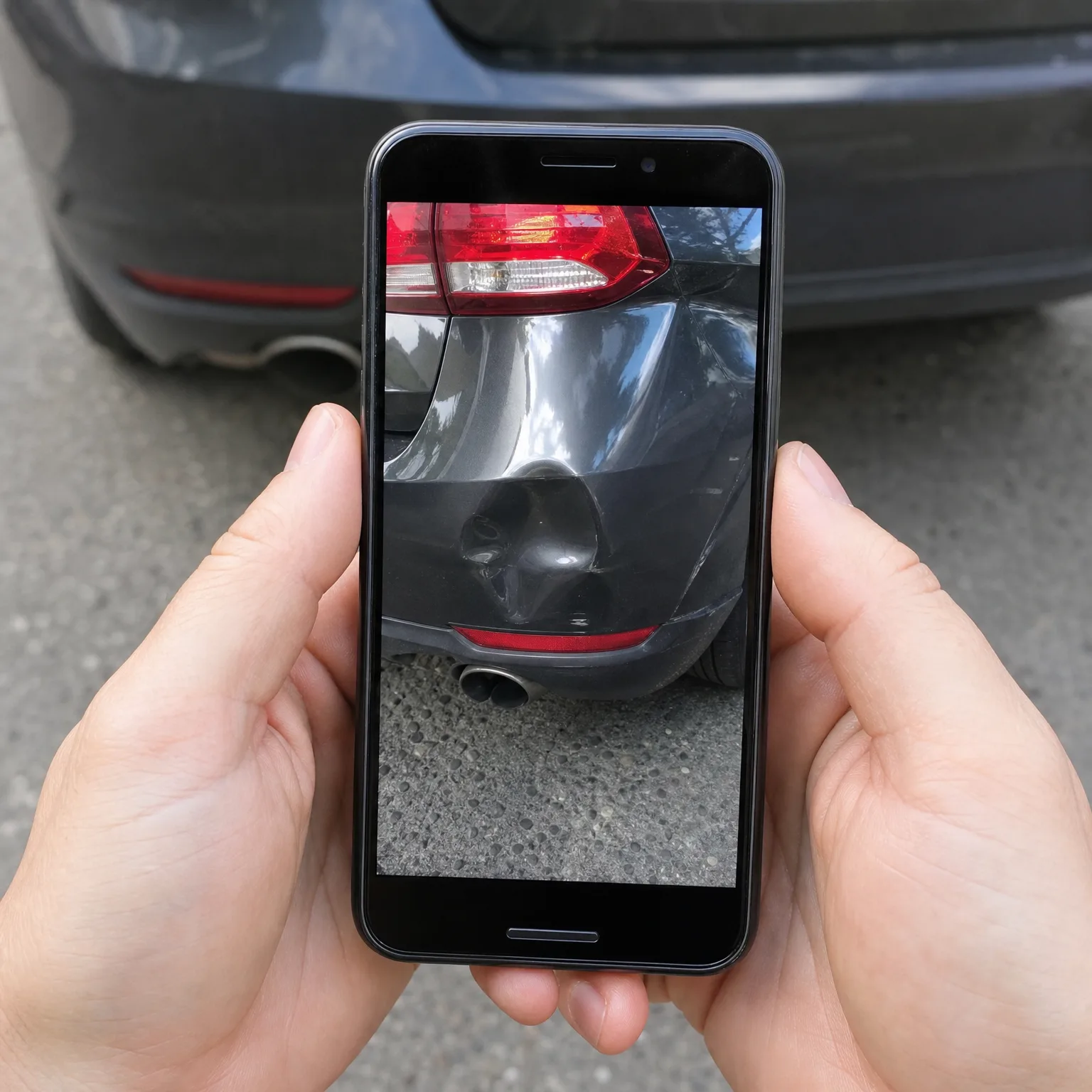
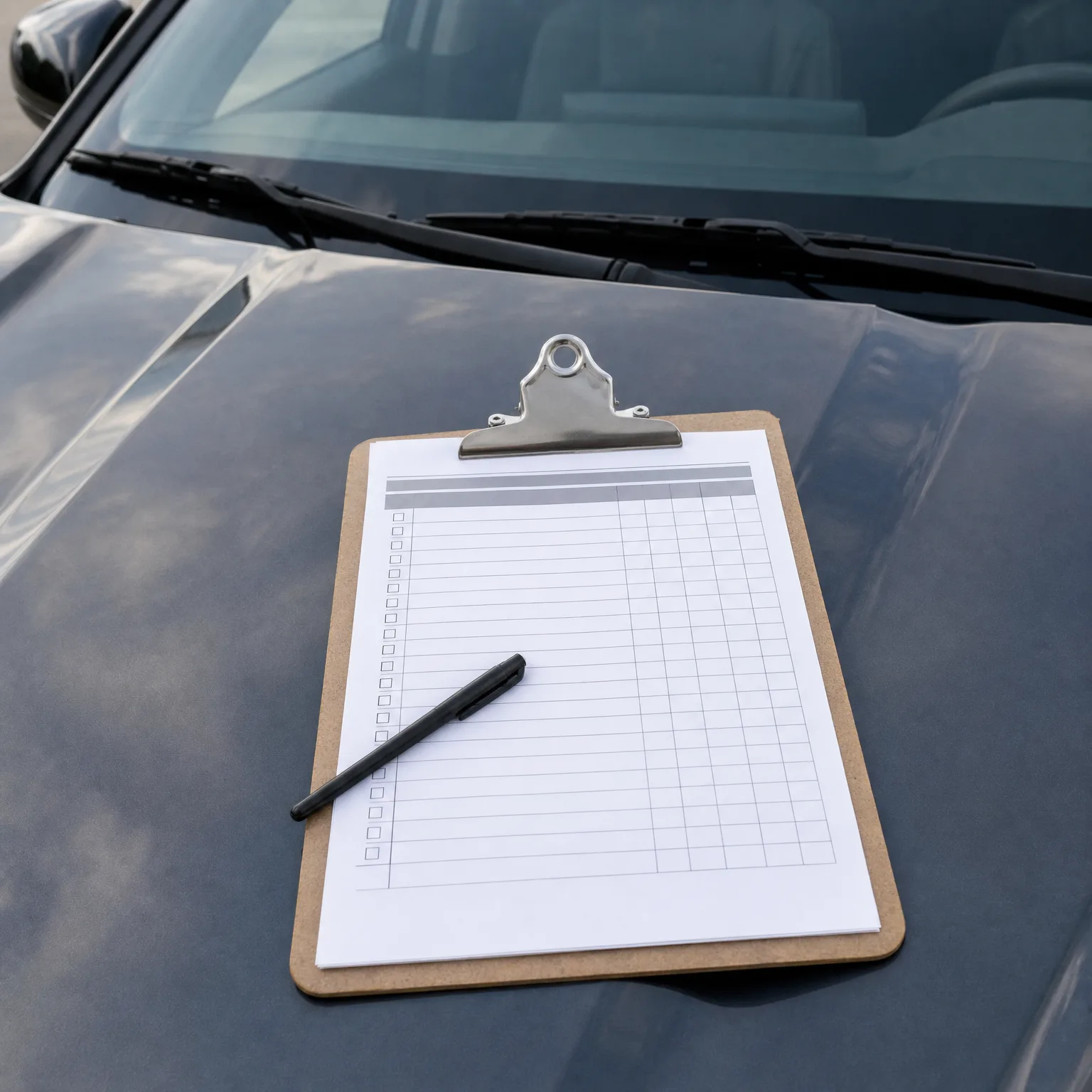
- Photos of the scene Take pictures of all vehicles, damage, license plates, and the surrounding area before anything moves. These photos become your evidence if fault or damage is ever disputed.
- Other driver's information Get their name, phone number, insurance company, and policy number. Without this, your insurer can't contact the other party to confirm or dispute what happened.
- Police report number If officers responded, get the report number before you leave. This document gives your claim an official, neutral record that carries weight with adjusters.
- Medical records Keep records of any doctor visit connected to the accident, even if the injury seemed minor. Delayed symptoms are common, and undocumented visits are hard to claim later.
- Repair estimates Get at least one written estimate for vehicle damage before repairs start. This gives your insurer a concrete number instead of a guess about what the claim is worth.

Should you document everything before you leave the scene
If you do
You walk away with photos, names, insurance details, and a report number. When you file, your insurer has what it needs immediately, and there's little room for the other driver to dispute what happened. Your claim moves faster because nobody has to track down missing pieces later.
If you don't
You rely on memory and whatever the other driver tells their insurer. If their story differs from yours, you have little to point to. Getting records afterward means calling offices, requesting reports, and hoping repair shops or doctors kept the same information you would have captured instantly.
Once your documents are in order, compare quotes knowing your claim is backed by solid evidence.
What if the other driver won't give you their information?
You don't need their cooperation to file a claim, though it helps. If a police officer responds, they'll typically collect this information for the report, which is one more reason to call one even for minor accidents. If no officer comes and the other driver refuses to share details, get their license plate, vehicle description, and photos instead.
Your insurer can often trace a policy from a plate number, especially if you also have witness statements or doorbell camera footage from nearby. This situation is also part of why it's worth checking what your own policy covers if the other driver turns out to be uninsured or impossible to identify afterward. What options you have in that case vary by state and by insurer, so it's worth asking before you need it.
The documents you gather in the first hour decide how easy or hard your claim is for weeks afterward.