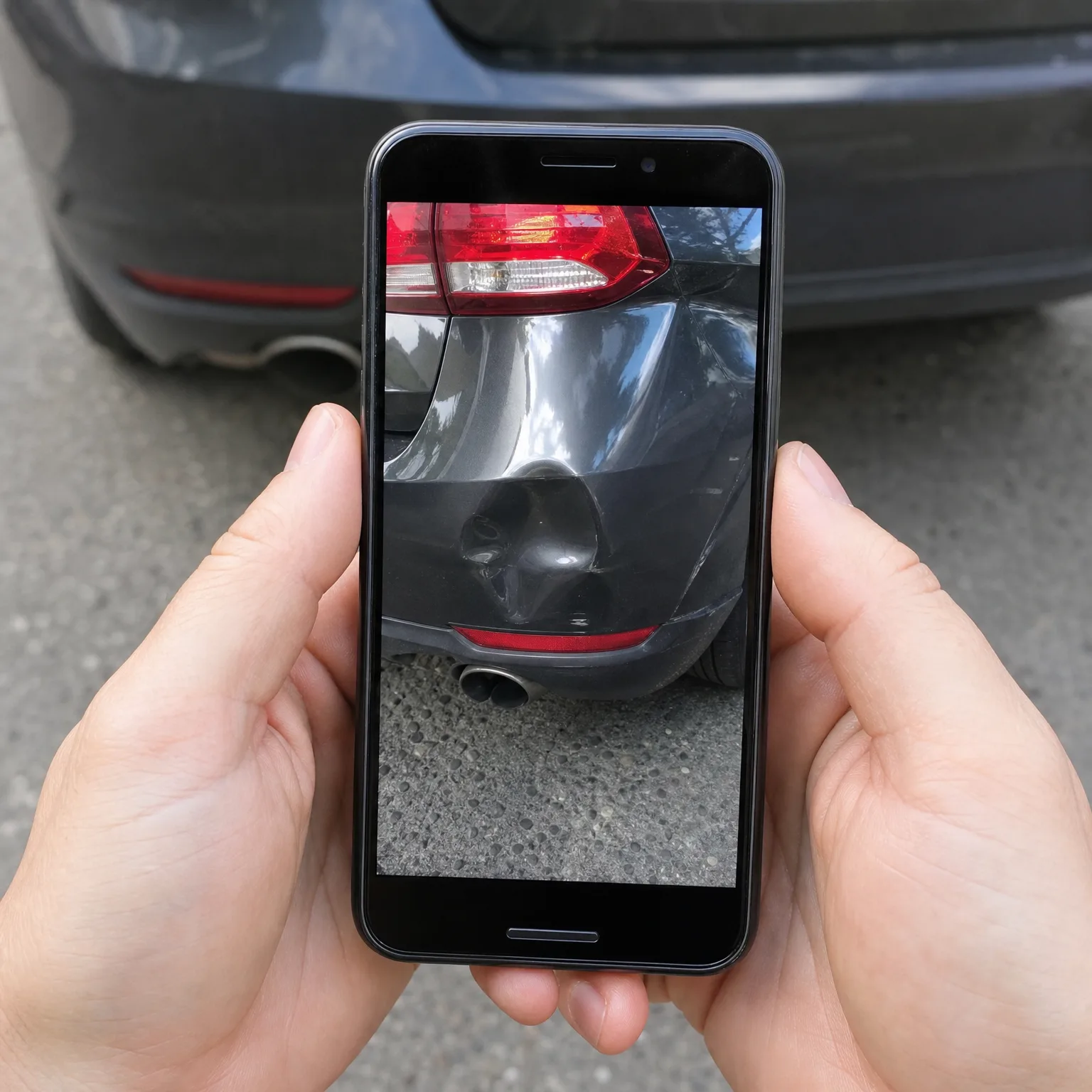
Reporting an Accident to Your Insurer
Report it soon, tell them what happened without guessing at fault, and let the claims process sort out the rest.

What to do when you call your insurer
- Report soon, not perfectly You don't need every detail figured out before you call. Give the facts you're sure of and say when you're not sure, rather than waiting until you have a full story.
- Stick to facts, not blame Describe what happened without deciding who was at fault out loud. Fault gets determined through the claims process, and your own guess isn't binding.
- Give the other driver's info Have the other driver's name, insurance, and plate number ready if you got it. If you didn't, tell your insurer that too, they can often still track it down.
- Mention injuries honestly If anyone mentioned pain or discomfort, even mild, say so. Leaving it out can complicate things later if an injury claim shows up after the fact.
- Ask what your policy covers here Ask directly what your coverage pays for in this specific accident. Don't assume, since what applies depends on your policy and the details of what happened.
A rear-end accident at a stoplight
You tapped the car ahead of you when traffic stopped short. No one seemed hurt, the damage looked minor, bumpers mostly, and the other driver wasn't upset. You exchanged information anyway and took a few photos before leaving.
That evening you called your insurer. You described what happened plainly, that you were following and didn't stop in time, without declaring who was at fault. The representative took down the other driver's information and opened a claim. A few days later the other driver mentioned some neck stiffness, which went into the file as a possible injury claim. Because you'd reported promptly and given a straight account, your insurer already had everything they needed to start looking into it. You didn't have to scramble to remember details weeks later, and the claim moved forward without you needing to guess what would happen next.

Once you know how reporting works, compare quotes to see how an accident like this affects what you'd pay going forward.
Will reporting this accident raise my rates?
Possibly, but reporting itself isn't what raises rates, the accident and who's found at fault are. Some insurers also use accident forgiveness or similar programs that can prevent a first accident from affecting your rate at all, depending on your policy and history.
If the claim ends up being paid out by your insurer, especially if you're found at fault, your rate may go up at your next renewal. If the other driver is found at fault, their insurer typically covers the damage, and your own rate is less likely to move. This varies by insurer, so ask directly what your company's policy is on first accidents and how fault findings affect renewal pricing.

Reporting doesn't decide fault or guarantee higher rates, it just starts a process you don't face alone.
Do I have to report an accident if I'm not filing a claim?
Check your policy, since many insurers require you to report any accident regardless of whether you file a claim. This protects you if the other driver files later or if injuries surface afterward. Even if you plan to pay out of pocket, reporting creates a record that can help you if the situation changes down the line.
Can the other driver sue me after I report the accident?
Yes, reporting doesn't prevent a lawsuit, but it does mean your insurer is already aware and can respond on your behalf. Your liability coverage is what typically handles legal claims against you, so check your policy limits. If damages exceed what your policy covers, you could be personally responsible for the rest.
How long does an accident stay on my insurance record?
This depends on your insurer and sometimes your state, so ask directly rather than assuming. Some companies look back a few years when pricing renewals, others longer. It also matters whether you were found at fault, since not-at-fault accidents are often treated differently or may not affect your record at all.