Is Lying on an Insurance Claim Illegal
Yes, lying on an insurance claim is illegal, and it can cost you far more than telling the truth would have.

What counts as lying and what it costs you
- Exaggerating damage Claiming more damage than the accident caused counts as fraud, not negotiation. Get an honest estimate and let the adjuster evaluate it instead of inflating numbers yourself.
- Shifting the fault Describing the accident in a way that hides your role can unravel once the other driver or a witness tells a different story. Stick to what actually happened, even the parts that don't help you.
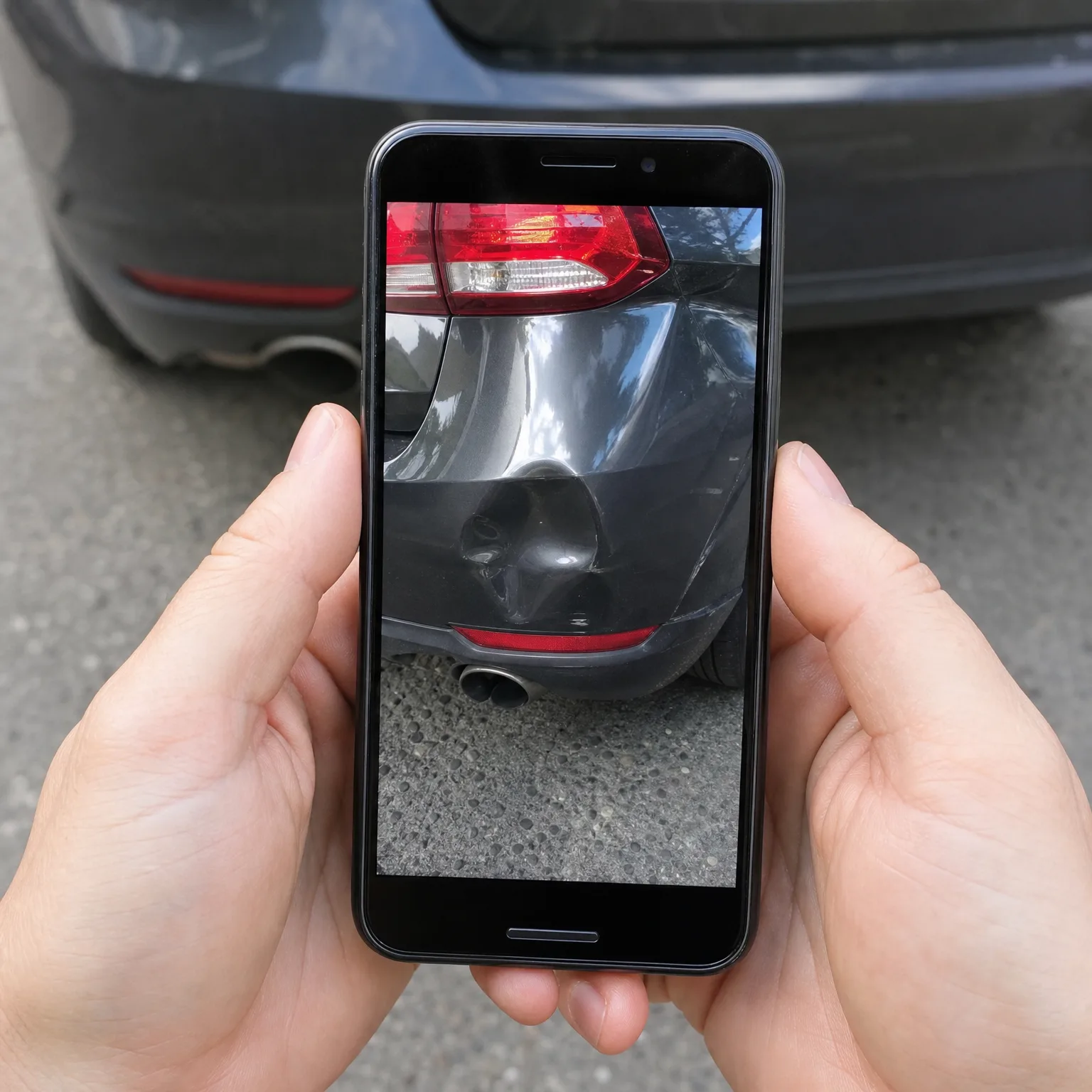
- Hiding prior damage Claiming an old dent or crack happened in this accident is a common and easily caught lie. Insurers check photos, prior claims, and inspection records, so don't try it.
- Leaving out who was driving Saying you were behind the wheel when someone else was, or the reverse, is a material lie on a claim. Name the actual driver even if it complicates things.
- Inventing injuries Reporting pain or treatment that didn't happen is one of the most aggressively investigated forms of claim fraud. Only report what a doctor actually documented.

The short version
Lying on a car insurance claim is illegal everywhere, not just frowned upon. It can get your claim denied, your policy canceled, and in serious cases lead to criminal charges. If something about your accident is embarrassing or complicated, tell your insurer the truth and let them sort out fault and coverage.
What if I already said something that wasn't quite true?
Correct it as soon as you realize it, and do it yourself before the insurer catches the inconsistency. Call your adjuster, explain that you misspoke or left something out, and give the accurate version. Insurers distinguish between someone who corrects course and someone who gets caught lying and keeps lying.
This matters because claims get investigated through photos, repair shop records, witness statements, and sometimes prior claim history. Small inconsistencies often surface on their own, and if they do before you've corrected them, it looks intentional even when it started as confusion or panic in the moment.
Correcting an honest mistake is very different from confessing to a planned deception, and insurers generally treat it that way. The earlier and more voluntarily you fix it, the better your outcome is likely to be.
Once you know honesty on your claim protects you rather than costs you, compare quotes with that confidence in hand.

Why insurers treat small lies as seriously as big ones
Insurance runs on the accuracy of what people report, because adjusters weren't at the scene and can't verify most details firsthand. When you sign a claim form, you're making a statement the insurer relies on to decide what they owe and to whom. That reliance is exactly what fraud laws are built to protect, so even a seemingly small exaggeration is treated as an attack on the system, not a harmless shortcut.
The legal exposure is real but it scales with the lie. A minor embellishment discovered early usually ends in a denied claim or a canceled policy. A larger, deliberate deception, especially one involving injuries or damage that never happened, can become criminal fraud, with charges brought by the state rather than just a dispute with your insurer.
What counts as a lie worth investigating varies by insurer and by state, since some states have specific insurance fraud statutes and dedicated investigative units while others fold it into general fraud law. Check what applies where you live, since it affects how aggressively claims get scrutinized and what the penalties actually look like.
There are cases where the line isn't about lying at all but about memory and perception after a stressful event. Getting details slightly wrong because you were shaken or didn't see everything clearly is different from fabricating a story, and insurers who investigate fraud are trained to tell the difference. The key is not pretending to certainty you don't have. If you're unsure about a detail, say so instead of guessing confidently and being wrong.

Telling the truth on a claim isn't just the safe choice, it's the one that actually protects your payout.