How Long Does It Take for an Adjuster to Make a Decision
Most adjusters give an initial decision within a couple weeks, though injuries, fault disputes, or repairs can stretch that out.
What actually determines how fast your claim moves
- How clear fault is If the facts are simple, like a clear rear-end at a light, the adjuster can decide quickly. If both sides blame each other, expect a slower investigation.
- Whether anyone was hurt Injury claims take longer because adjusters wait for medical records and treatment to finish. Property-only damage usually moves much faster.
- How fast you respond Adjusters need your statement, photos, and any documents before they can act. Answer calls and send what's asked right away to avoid added delay.
- Who you're filing with Your own insurer may move faster than the other driver's. If you're waiting on the other company, ask your insurer about handling it through your own policy instead.
- Whether there's a dispute If the other driver or their insurer disagrees with fault or damages, the adjuster has to gather more evidence. This step is usually what stretches the timeline most.
What if the adjuster is taking way longer than expected?
Call and ask directly what they're still waiting on. Most delays come down to one missing piece, a medical record, a repair estimate, or a statement from the other driver, and adjusters will tell you if you ask.
If you've asked and weeks have passed with no update, put your question in writing and ask for a timeline. Insurers in most states have rules about how long they can take to respond to you, though what counts as too long varies, so check with your state's insurance department if it feels like you're being ignored.
If you still get nowhere, you can escalate within the company to a supervisor, or file a complaint with your state insurance regulator. That step often gets things moving when phone calls haven't.

Once you know what's holding up your claim, compare quotes so your next policy doesn't leave you waiting like this.

Should you push the adjuster for a faster answer
If you do
Calling and asking what's missing often speeds things up, since adjusters handle many files and yours may just need a nudge. You find out exactly what's needed and can send it immediately, which usually shortens the wait by days or more.
If you don't
If you stay quiet, your file sits behind others that are moving. Missing documents won't get flagged, and you won't know if the holdup is on your end or theirs. Waiting passively almost always means waiting longer than necessary.
A rear-end claim that stalled for weeks
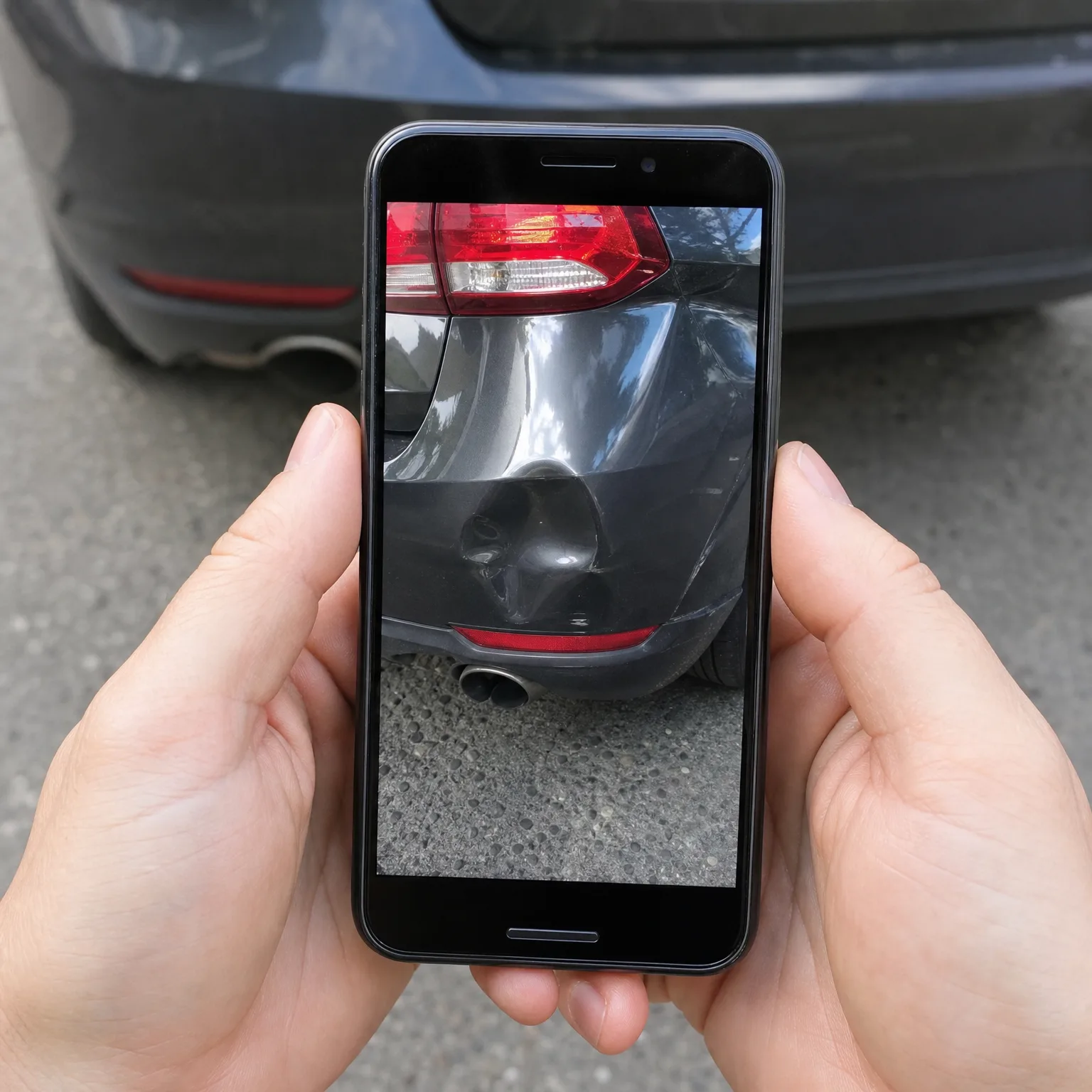
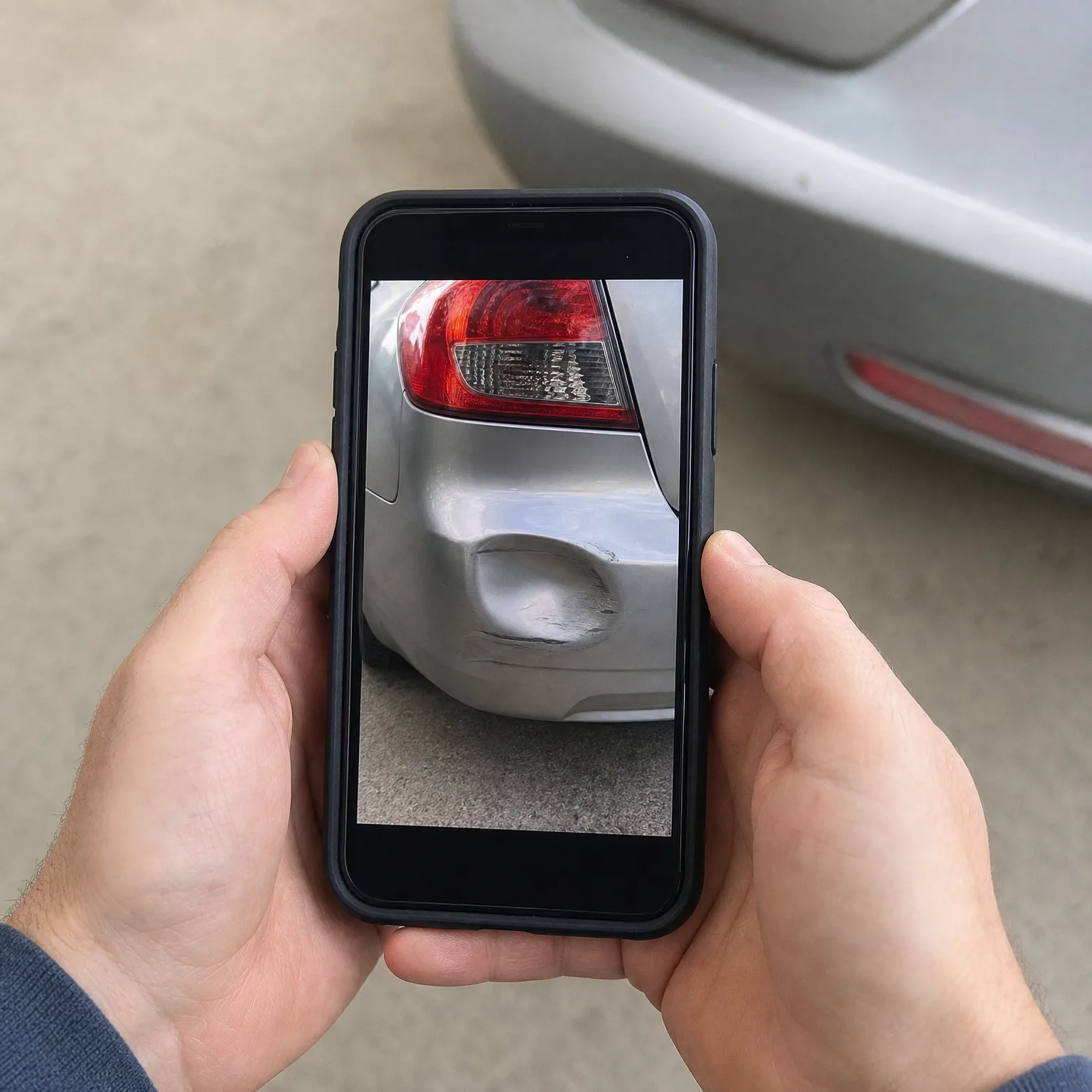
You rear-ended someone at a light because traffic stopped short. No one was hurt, but there was real damage to both cars. You filed with your insurer the same day, gave your statement, and expected a quick answer since fault seemed obvious. Instead, two weeks passed with no word.
You called and learned the adjuster was still waiting on a repair estimate from the other driver's shop, which hadn't been submitted yet. You asked the other driver directly to get the estimate in, and within a few days the adjuster had everything needed to finish the review. The claim was approved shortly after, and the delay turned out to have nothing to do with fault or your own paperwork, just one missing document on the other side.
Why adjusters take the time they do
An adjuster's decision depends on having a complete picture of what happened and what it will cost to fix. That means gathering statements, photos, repair estimates, and sometimes police reports before they can sign off on anything. When one piece is missing, the whole decision waits, even if everything else is ready.
Injury claims take longer because medical treatment has to run its course before anyone can put a final number on it. An adjuster can't responsibly approve a settlement for an injury that's still being treated, since the cost isn't known yet. This is one of the biggest reasons timelines stretch far beyond what a property-only claim would take.
Fault disputes slow things down for a similar reason. If you and the other driver disagree about what happened, the adjuster has to weigh conflicting accounts, maybe bring in outside evidence like traffic camera footage or independent witnesses, and document the reasoning behind whatever decision they reach. That process simply takes longer than a case where both sides agree on what happened.
How long all of this takes also depends on your state and your insurer's own internal rules, since some states set requirements for how quickly insurers must acknowledge or act on a claim. It's worth checking what your state requires and what your policy or insurer says about response times, since that sets the baseline for what counts as a reasonable wait in your case.