How Long Does a Rear-End Settlement Take
Most rear-end claims settle in weeks to months, but the real driver is how long injuries and vehicle damage take to fully resolve.

A rear-end claim that took four months to close
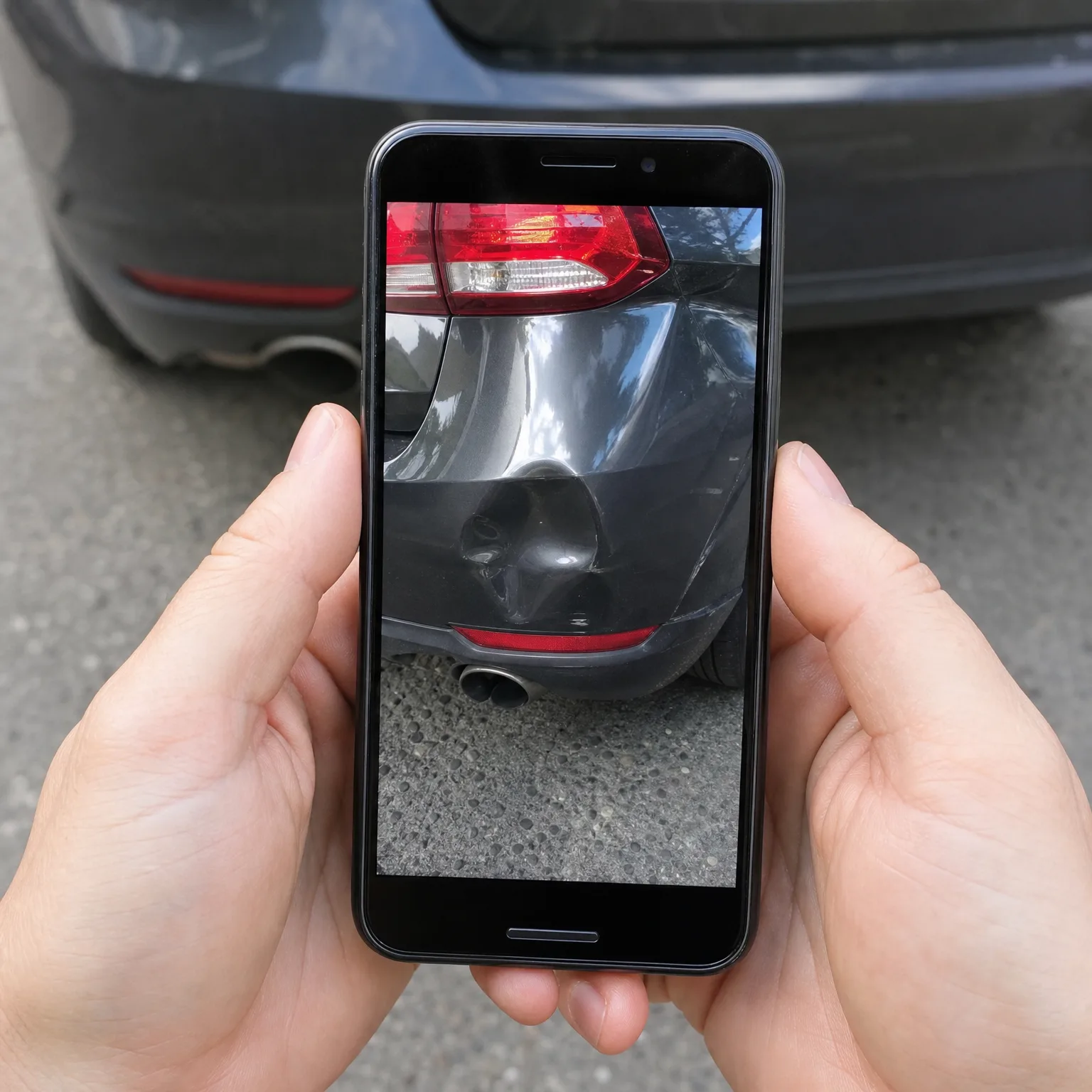
You were stopped at a light when the car behind you didn't stop in time. The bumper and trunk were damaged, and you felt neck pain that showed up the next day. You went to urgent care, got checked out, and started a few weeks of physical therapy. The other driver's insurer accepted fault quickly since rear-end accidents are rarely the front car's responsibility, so the vehicle damage got paid out within the first couple weeks.
The injury side took longer. Your claims adjuster wanted to see that your treatment had finished before they'd talk settlement, since paying out early can mean missing costs that show up later. Once your doctor said you were done healing, your adjuster made an offer based on your medical bills and the impact on your daily life. You countered once with documentation of missed work, they adjusted the number, and you settled. The property damage was resolved in two weeks. The injury portion took about three months from the accident to the final check.
Can I speed up my settlement without hurting my payout?
You can speed up parts of it, but pushing too hard on the medical side usually costs you money. The fastest way to move things along is to respond quickly to every request from the insurer, get your medical records and bills to them as soon as they're available, and avoid long gaps between treatment appointments that make your file sit idle.
What you shouldn't rush is finishing medical treatment. Settling before you know the full extent of your injury means you can't go back and ask for more if symptoms continue or worsen. Most of the delay in these claims isn't the insurer stalling, it's your own recovery timeline, and that part isn't something to compress.

Settling quickly versus waiting until treatment is done
If you do
If you accept an early offer, you get paid faster and the open claim stress ends sooner. But once you sign a release, the claim is closed for good. If pain or a related injury shows up later, you can't reopen it or ask for more, even if it's clearly connected to the accident.
If you don't
If you wait until treatment is finished, the claim takes longer to close but the settlement reflects your actual medical costs and recovery, not a guess. Your adjuster has full documentation to work with, which also makes it easier to push back if the offer feels low.
Once you know how your settlement will unfold, compare quotes so your coverage is ready before the next claim.
What actually controls how fast this moves
- Fault is usually clear Rear-end accidents are almost always the following driver's fault, so liability rarely holds things up. The delay is almost always about injury recovery or damage assessment, not who caused it.
- Medical treatment sets the pace Insurers want treatment finished before settling an injury claim. Keep appointments consistent and get a clear end date from your doctor to avoid your file sitting idle.
- Documentation moves it along Bills, repair estimates, and medical records all have to be submitted before an offer comes. Send paperwork as soon as you have it instead of waiting to batch it together.
- Property damage moves separately Your car's repair payout and your injury settlement are usually handled as two different tracks. Expect the vehicle portion to close well before any injury claim does.
- Pushing back adds time If the first offer feels low, countering with evidence extends the timeline but often increases the payout. Decide early whether speed or amount matters more to you.

Should I accept the first settlement offer for a rear-end accident?
Not automatically. The first offer is usually a starting point, not the insurer's final number, especially if you have ongoing symptoms or missed work. Check whether it covers all your medical bills, future treatment your doctor expects, and any lost income. If your treatment isn't finished yet, wait before accepting anything, since signing a release ends your ability to ask for more later.
What if the other driver's insurance is lowballing my claim?
You can push back with documentation rather than accepting the number. Gather your medical records, repair estimates, and any proof of missed work, then send a written counter with your reasoning. If the gap stays large, some people bring in outside help to negotiate, and in some states you have formal options for disputing an unfair offer, so check what's available where you live.
Will my insurance rates go up if I was rear-ended and not at fault?
Usually not, since the claim is typically filed against the other driver's insurer, not yours. Check your own policy and state rules though, because how a not-at-fault accident is recorded can vary, and some insurers note it on your history even without raising your rate.