Does Insurance Cover 100% After the Deductible
Not automatically. Your insurer pays the rest only up to your coverage limits, and only for costs your policy actually covers.
Your deductible and your coverage limit are two separate numbers
A deductible is just the amount you pay first before your insurer starts paying anything. Once you've paid it, your insurer covers the remaining repair or claim cost, but only up to the limit written into your policy for that type of coverage. If the damage costs more than your limit, you pay the difference yourself, deductible or not.
This is why two people with the same accident can have very different experiences. One person has a coverage limit well above the repair cost, so after the deductible their insurer handles everything. Another person has a limit that's lower than what the repair actually costs, so even after the deductible they're still paying out of pocket for the remainder.
There are also costs a policy simply doesn't cover at all, deductible aside. Things like a rental car during repairs, diminished resale value, or certain fees may need separate coverage or may not be covered no matter what you pay upfront. Read what your specific policy lists as covered before assuming the deductible is the only number that matters.
State rules and insurer practices affect some of this too, especially around injury claims and what counts as a covered cost. Check your policy declarations page and your state's rules on required coverage types, since what's covered after your deductible depends on both.

When the deductible wasn't the problem
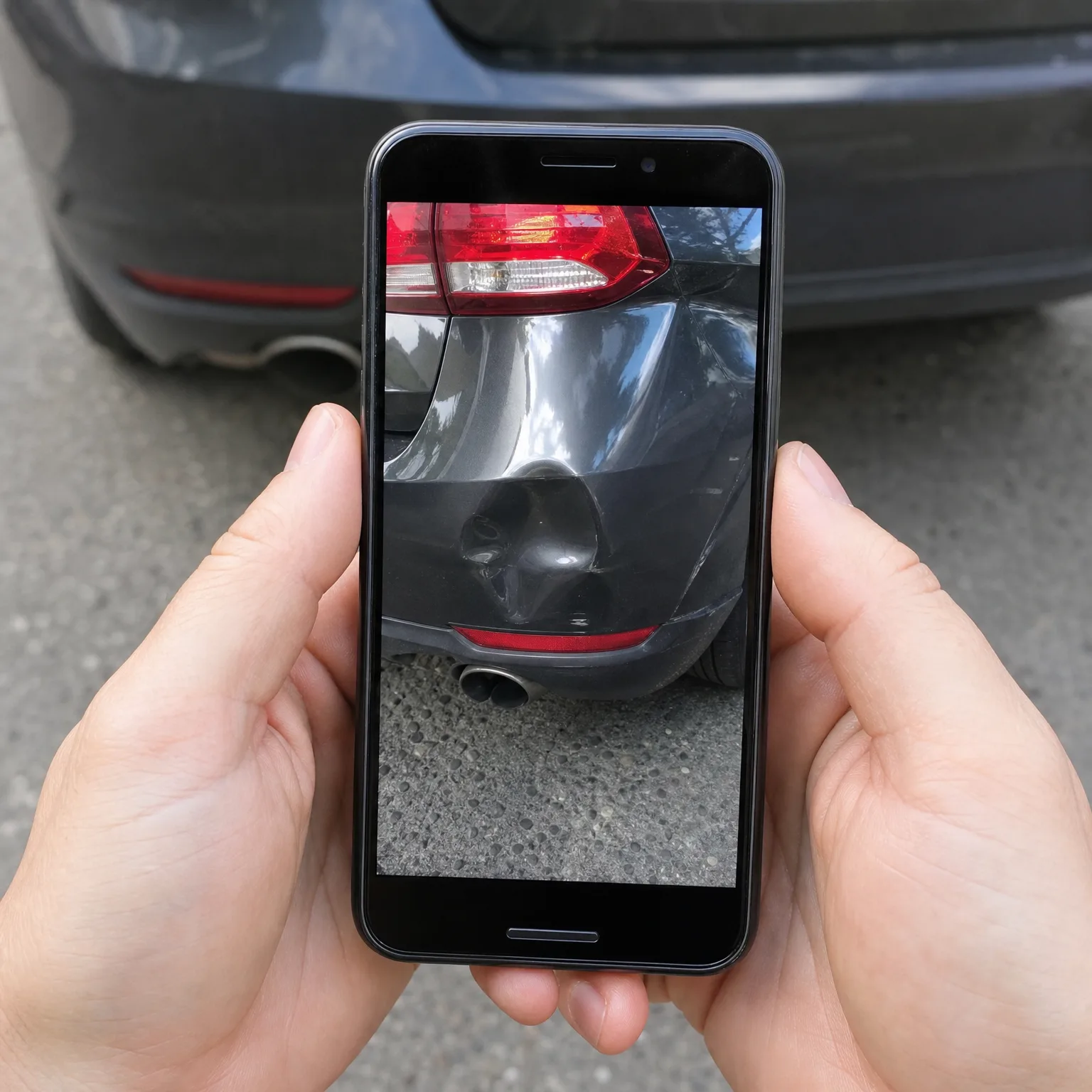
You backed into a parked car and the repair estimate came back higher than you expected. You'd paid your deductible before, so you assumed the insurer would cover the rest. But your policy's property damage limit was lower than the total repair cost, because you'd chosen that limit years ago to keep your payment lower.
You ended up covering the gap between your limit and the actual bill yourself, even though you'd already paid your deductible. Afterward, you called your insurer and raised your liability limit so the same gap wouldn't happen again. The deductible didn't change, but the ceiling above it did, and that's the number that had actually caused the problem.
What costs does my deductible not apply to at all?
Your deductible applies to the type of coverage it's attached to, not every cost connected to your accident. Liability coverage, which pays for the other driver's damage or injuries, usually has no deductible at all. Your deductible typically only applies to your own vehicle's damage, under collision or comprehensive coverage.
Things like a rental car, towing, or lost wages from missed work are often separate coverages entirely, each with its own rules and sometimes no deductible. Check your declarations page line by line rather than assuming one deductible covers your whole claim, since policies bundle these differently.
Now that you know what your limits cover, compare quotes to find coverage matching what this accident just taught you.


What actually decides what you pay after the deductible
- Your coverage limit This is the most your insurer will pay for that type of claim. Check your declarations page to see if it's high enough to cover a serious repair or injury claim, not just a minor one.
- What type of coverage applies Collision, comprehensive, and liability each have separate rules and sometimes separate deductibles. Confirm which coverage your accident falls under before assuming your deductible is the only cost.
- Costs excluded entirely Rental cars, towing, and diminished value are often not covered unless you added that coverage. Ask your insurer directly what's excluded so you're not surprised later.
- State coverage rules Some coverage types are required by your state and some aren't, which affects what's automatically included. Check your state's minimum requirements against what your policy actually lists.
- The other driver's claim If you're found at fault, their damage or injury costs come from your liability coverage, not your deductible. Confirm your liability limits are enough to cover a serious claim against you.
The number protecting you isn't your deductible, it's your coverage limit, and that's worth checking today.