Do I Have to Stay at the Scene of an Accident
Yes, you have to stay at the scene until you've exchanged information and checked on anyone who might be hurt.
Leaving too soon turns a crash into a crime
The law requires you to stop and stay because an accident scene needs certain things to happen before anyone leaves. You need to check for injuries, exchange information with the other driver, and in many places notify police if the damage or injuries meet a threshold. Driving away before that happens is what turns a routine accident into a hit and run, even if the accident itself was minor or wasn't your fault.
This applies even when you believe you did nothing wrong. Fault doesn't excuse you from stopping. If you rear-ended someone, slid on ice, or backed into a parked car, you still have to stay long enough to do the basic exchange. Leaving because you're embarrassed or think it's not a big deal is one of the most common ways people turn a small claim into a legal problem for themselves.
What counts as sufficient varies by state and by situation. Some states require you to call police for any accident involving injury or a certain amount of damage, others leave it more to judgment. If you hit a parked car and can't find the owner, most states require you to leave a note with your information rather than just driving off. Check your state's specific requirement, since the threshold for calling police and the rules for unattended vehicles differ.
The one exception that matters is your own safety. If staying would put you in danger, such as on a blind curve or in a hostile confrontation, you can move to the nearest safe location and still be considered to have stayed at the scene. The obligation is to stop and handle the accident properly, not to remain in a dangerous spot.
What happens if I already left the scene?
If you've already driven away, the most important thing is to report it as soon as possible rather than waiting. Contact the police yourself and explain what happened. Acting quickly and voluntarily looks very different to law enforcement and to a court than being tracked down later.
What happens next depends on the extent of the accident and your state's laws. If it was a minor accident with no injuries and you report it soon after, the outcome is usually far less severe than if someone else reports it first or if there were injuries involved. Talk to an attorney before speaking further with police or your insurer if you're worried about the legal exposure, since the consequences for leaving the scene can be serious and vary by state.

Staying isn't about fault. It's a separate legal duty that exists no matter who caused the accident.
Once you know you handled the scene correctly, compare quotes to see how this accident affects your options.

Should you wait for police or exchange information and go
If you do
You stay until the scene is handled properly. You exchange names, insurance, and contact details with the other driver, check on anyone who might be hurt, and call police if your state requires it for this kind of accident. You leave with what you need to file a claim and nothing hanging over you legally.
If you don't
If you leave before exchanging information or notifying police when required, you risk being charged with a hit and run even if the accident was minor or not your fault. This can mean criminal charges, license suspension, and your insurer treating the claim very differently if the other driver reports you.
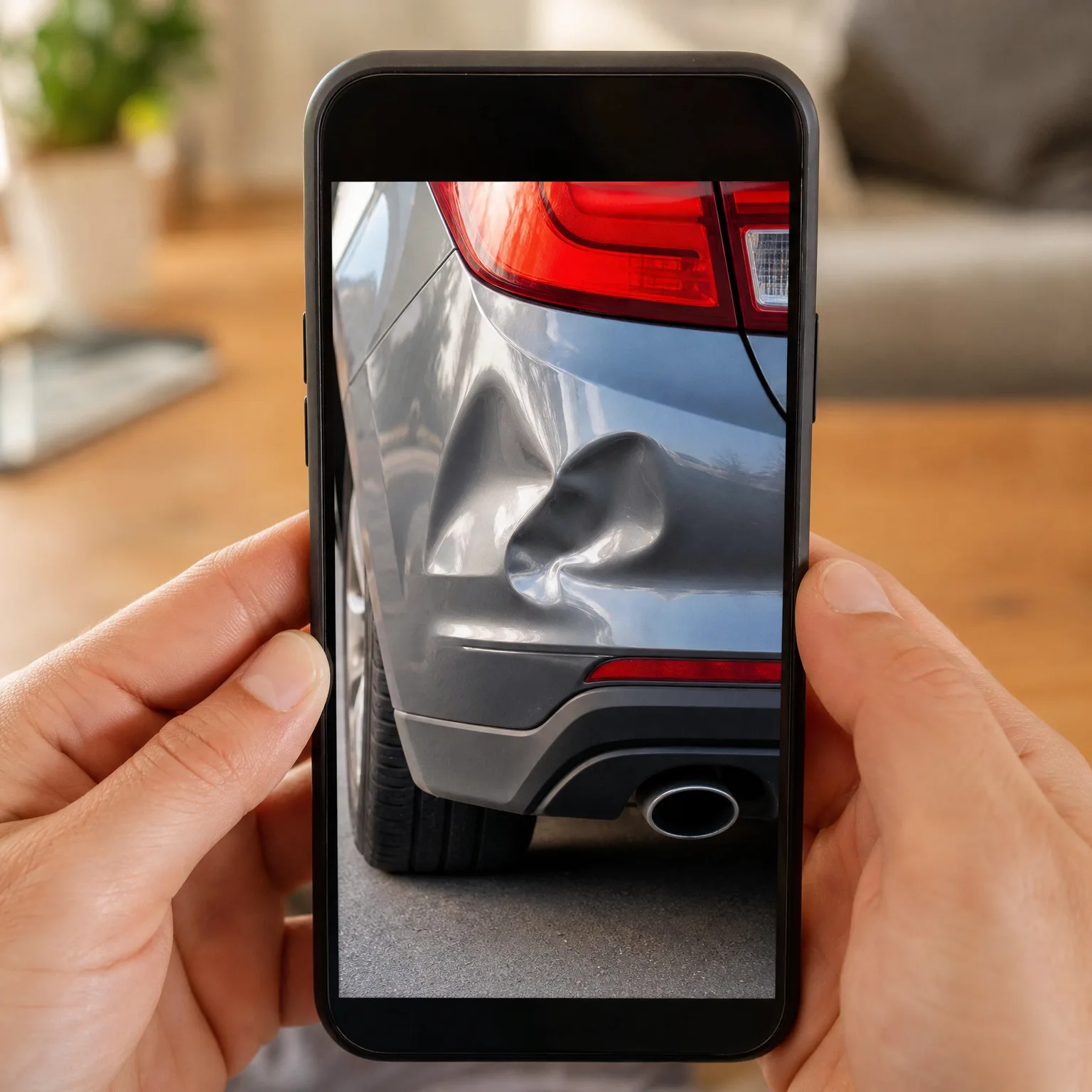
What staying at the scene actually requires
- Check for injuries first Before anything else, see if anyone involved is hurt. If so, call emergency services immediately, since this changes what you're required to do next.
- Exchange information Give the other driver your name, contact information, and insurance details, and get the same from them. This is the minimum required almost everywhere.
- Know when to call police Many states require a police report for injuries or damage over a certain level. Check your state's rule so you don't skip a required step.
- Handle unattended cars properly If you hit a parked car and can't find the owner, leave a visible note with your information rather than driving away. Driving off without doing this can count as leaving the scene.
- Move only for safety If the location is dangerous, move to the nearest safe spot before exchanging information. This still counts as staying at the scene as long as you handle things right after.
Do I have to call the police for a minor accident?
Not always, but it depends on your state and the specifics of the accident. Many states only require a police report when there's injury or damage above a certain level, while others want a report for any collision. Check your state's requirement directly, since relying on guesswork here is risky. When in doubt, calling police is rarely the wrong choice, since it creates an official record of what happened and protects you if the other driver's story changes later.
Can I move my car before police arrive?
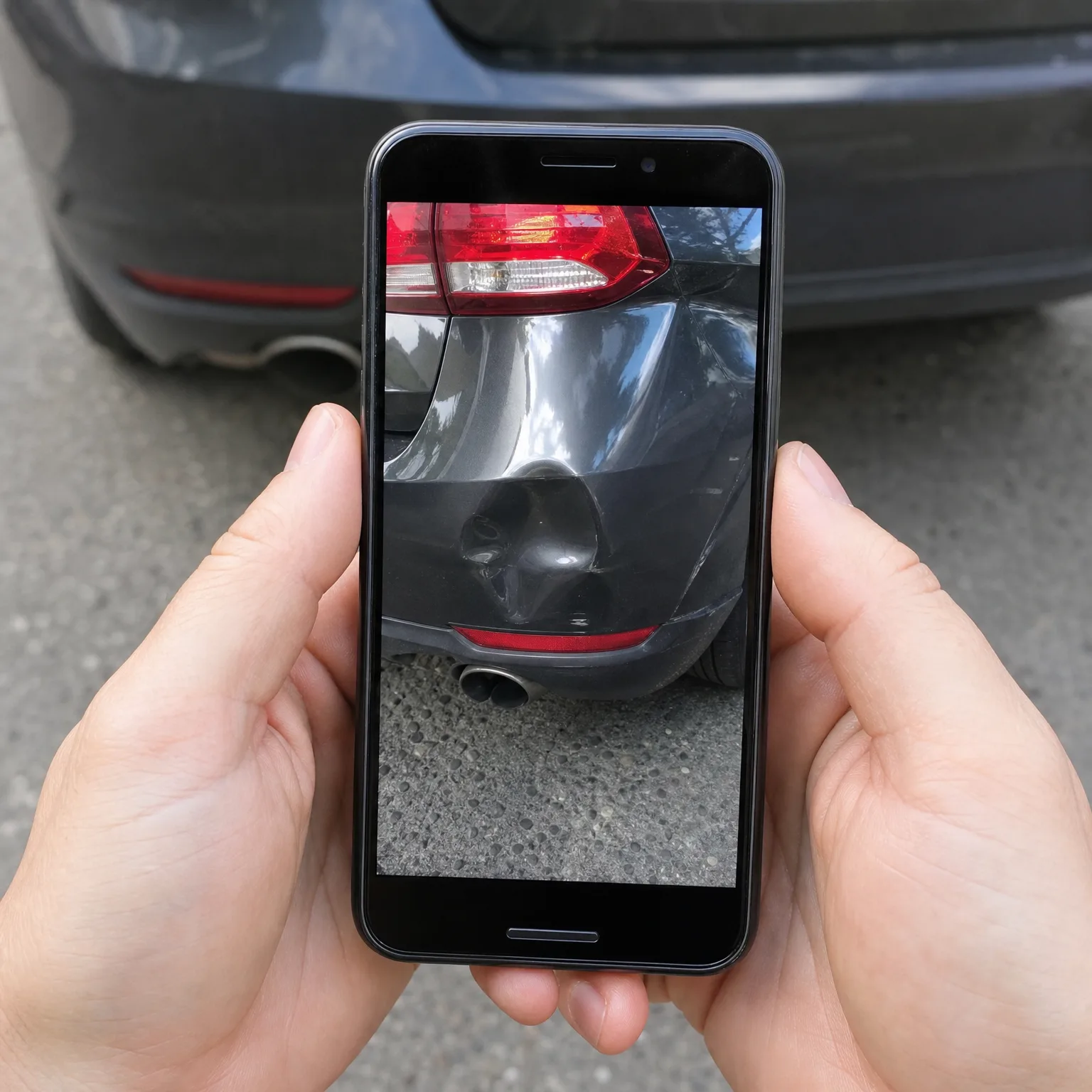
Yes, if staying in place would block traffic or create a hazard, you can move your car to a safe location nearby. Many states actually require you to clear the road if the vehicles are drivable and no one is injured. Take photos of the scene and vehicle positions before moving, since this preserves evidence for the claim and for any police report that follows.
What if the other driver refuses to exchange information?
Write down their license plate, vehicle description, and any identifying details you can get, then call the police right away. An officer can obtain the other driver's information through their license plate and file a report that documents the refusal. Don't chase the other driver or try to force the exchange yourself, since documenting what you can and involving police is the safer and more effective path.