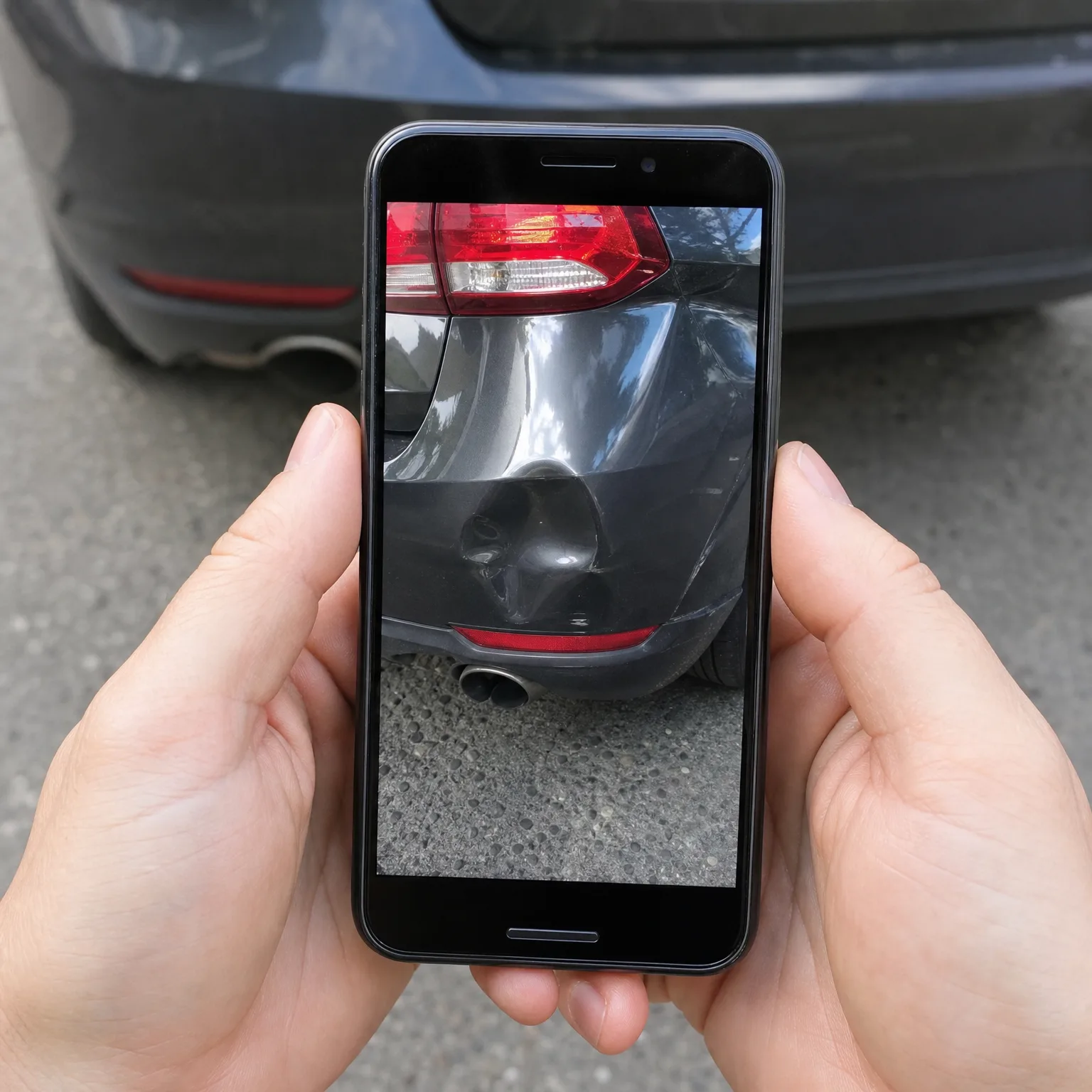
Do Accidents Ever Go Off Your Record
Most accidents stay on your insurance record for a few years, then age off and stop affecting your rate.
What actually determines when it drops off
- Fault matters most An accident ruled your fault stays visible longer than one that wasn't. Ask your insurer directly how they classified this one, since that classification drives everything else.
- Insurer rules, not law There's no single national clock here. Each insurer sets its own lookback period, so the same accident can disappear from one company's pricing sooner than another's.
- Record vs rate impact The accident may stay on a public driving record longer than it affects your premium. Ask specifically when it stops being used in pricing, not just when it's no longer listed.
- Switching resets nothing A new insurer will ask about recent accidents and pull their own report. Moving companies doesn't erase the history, it just changes whose rules apply to it now.
- Claims differ from violations An at-fault accident and a ticket aren't tracked the same way or for the same length of time. Don't assume one clears on the same schedule as the other.
Will this accident ever completely disappear from every record?
Not necessarily, and that's worth separating from the question of your rate. A public driving record kept by your state may hold the accident for its own stretch of time, separate from anything your insurer does. Even after an insurer stops using it to price your policy, the event itself may still exist somewhere if a court case, injury claim, or citation was involved.
What you can count on changing is the practical effect. Once enough time passes without another incident, most insurers stop factoring this one into your premium at all, and new insurers you apply to later may never see it influence a quote once it's outside their own lookback window. The accident becomes background noise rather than a live factor. If you want a real answer for your situation, ask your insurer when the surcharge or rating impact ends, not just when the record itself might clear.

Once you know how this accident affects your price, compare quotes to see what a clean slate elsewhere would cost.

Whether to ask your insurer for a timeline now
If you do
You'll get a specific date or mileage marker for when this accident stops affecting your premium. That lets you plan, maybe hold off switching insurers until after that point, and stops you from guessing or assuming the worst every renewal.
If you don't
You're left renewing year after year without knowing if the accident is still costing you. You might overpay longer than necessary, or switch insurers at the wrong time and accidentally reset how long it's held against you.
Why the record fades instead of just vanishing
Insurers price risk based on recent behavior, not your entire driving life. An accident from years ago tells them much less about how you drive today than one from last month, so most build in a window after which older incidents stop counting. This isn't generosity, it's just a more accurate way to predict who's likely to file another claim.
The length of that window differs by insurer because each company builds its own pricing models from its own claims data. One insurer might decide that incidents older than a certain point no longer correlate with future claims, while another keeps a longer or shorter view. State regulations sometimes set outer limits on what can be considered, but within those limits, insurers have real discretion.
Fault changes the calculation because it changes what the accident says about your driving. A not-at-fault accident, like being rear-ended at a light, still shows up in claims history, but many insurers weigh it far less heavily or not at all when pricing you, since it wasn't a judgment on your driving.
Where this gets more complicated is when injuries or lawsuits were involved. Those cases can generate records that live outside your insurance file entirely, in court systems or injury databases, and those don't run on the same clock as your policy's pricing history. If that applies to you, the insurance side may clear up while other records persist.

The accident isn't a permanent mark, it's a temporary input your insurer will eventually stop counting.