What Does 100-300 Bodily Injury Coverage Mean
100/300 means your liability coverage pays up to that per-person amount for each injured person, capped at the total per-accident amount.

What the two numbers in 100/300 actually control
- Per-person cap The first number limits what your insurer pays for one injured person's claim. If their bills go higher, you cover the rest yourself unless other coverage applies.
- Per-accident cap The second number is the total available for everyone hurt in that one accident. Multiple injured people split that total, so it can run out faster than you'd expect.
- Only covers others, not you This coverage pays for the other driver's or passengers' injuries, not your own. Check whether your policy has separate coverage for your own medical costs.
- Doesn't cover vehicle damage Bodily injury limits say nothing about repair costs. Look at your property damage liability separately to see what's covered there.
- Exposure above the cap is yours If injury costs exceed your limits, you can be personally responsible for the difference. Consider whether raising your limits or adding extra liability coverage fits your situation.
A rear-end crash where injury costs tested the limits
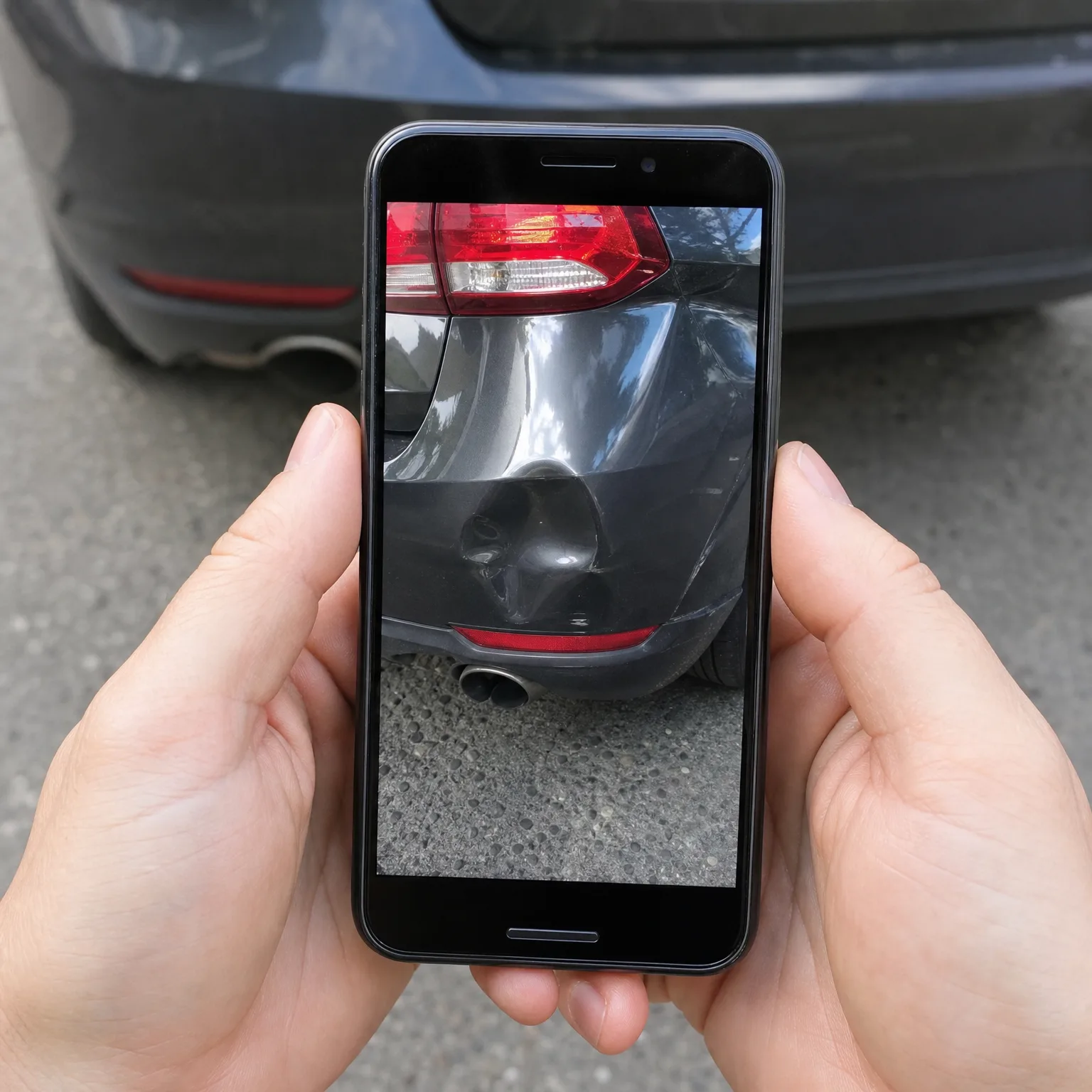
You rear-ended someone at a light going slow enough that you figured it was minor. The other driver seemed fine at the scene, exchanged information, and drove off. A few days later they reported neck pain and started treatment, and their insurer sent a claim for medical bills plus a bit of lost work time.
Because your policy carried 100/300 bodily injury coverage, the per-person amount covered that single claim without trouble, since one person's injury costs stayed well under the first number. Had a passenger in their car also been hurt, both claims together would have drawn from the per-accident total instead, and if the combined costs had passed that number, you'd have owed the rest yourself. In this case the claim closed within the limits, your insurer handled the payout, and your main task was answering questions honestly and keeping your own records of the exchange.

Whether to raise your bodily injury limits after this
If you do
Raising your limits means a higher ceiling if injury costs climb, especially with multiple people hurt. Your premium goes up some, but you reduce the chance of owing money personally beyond what your policy pays. Check how much the increase actually costs before deciding.
If you don't
Keeping your current limits keeps your premium the same, but if injury costs on a future claim pass your per-person or per-accident cap, you're responsible for the remainder yourself. That risk is real even in accidents that seem minor at first, since injuries can surface later.
Now that you know what 100/300 actually pays for, compare quotes to see what raising or keeping your limits would cost.

Is 100/300 bodily injury coverage enough for a serious accident?
It depends on how severe the injuries are and how many people are hurt. For a single serious injury, the per-person amount may fall short of real medical costs, and multiple injured people can exhaust the per-accident total fast. Check typical injury costs in your area and consider your assets, since you're personally exposed above these limits. If you have significant savings or property, higher limits or extra liability coverage are worth comparing.
Does bodily injury coverage pay for my own injuries after an accident?
No, bodily injury liability only pays for injuries you cause to other people. Your own medical costs are covered by different parts of your policy, such as medical payments coverage or personal injury protection, depending on what you carry and what your state requires. Check your declarations page to see what applies to you. If you don't have coverage for your own injuries, that's worth adding regardless of how this claim turns out.
Can the other driver sue me if their injury costs exceed my coverage?
Yes, if their costs go beyond what your bodily injury limits pay, they can pursue you personally for the rest. This is more likely with serious injuries or multiple claimants splitting a per-accident total. Check whether you have an umbrella policy or excess liability coverage, since that can cover the gap. How much personal risk you're carrying depends on your limits compared to your assets and typical injury costs where you live.

These two numbers mark where your insurer stops paying and you start paying, out of your own pocket.