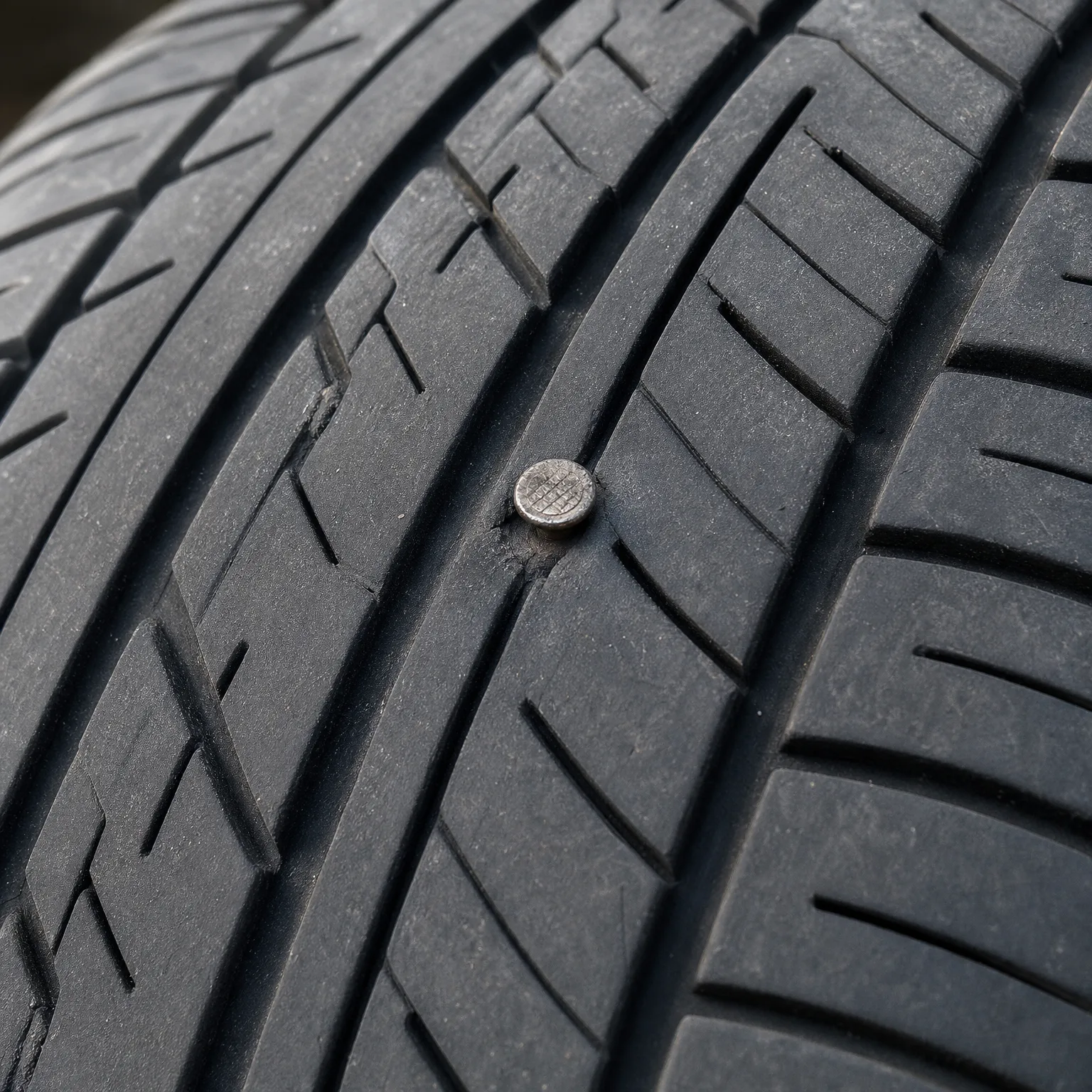
How Do You Get Kicked Off Car Insurance
Insurers drop drivers for unpaid premiums, too many claims, license suspension, or lying on an application, not for one honest mistake.
Why insurers cancel some drivers and not others
An insurance policy is a bet the company makes on how likely you are to cost them money. When you stop paying, or your driving record shows a pattern of risk, the math stops working for them and they end the bet. That's really what cancellation and non-renewal are: the insurer deciding your risk no longer fits what they're willing to cover at any price they can justify.
Non-payment is the most common reason, and it's also the easiest to avoid. Most insurers give a grace period before they cancel, and many will reinstate you if you pay quickly after a lapse. But if you let it slide repeatedly, or ignore late notices, the insurer treats that as a sign you won't pay reliably, not just a onetime slip.
A pattern of claims or violations works differently. One accident, even one that was your fault, rarely gets someone dropped. What raises flags is a string of claims in a short period, multiple at-fault accidents, or serious violations like a DUI or reckless driving charge. Insurers look at trends, not isolated events, because a trend predicts future cost better than a single incident does.
Lying on an application or during a claim is treated differently still. If an insurer discovers you misrepresented who drives the car, where you live, or your driving history, they can cancel the policy even outright, sometimes retroactively. This isn't about risk math anymore, it's about the contract being based on false information from the start. Rules on how and when insurers can cancel vary by state, so check your state's requirements for notice periods and allowed reasons.
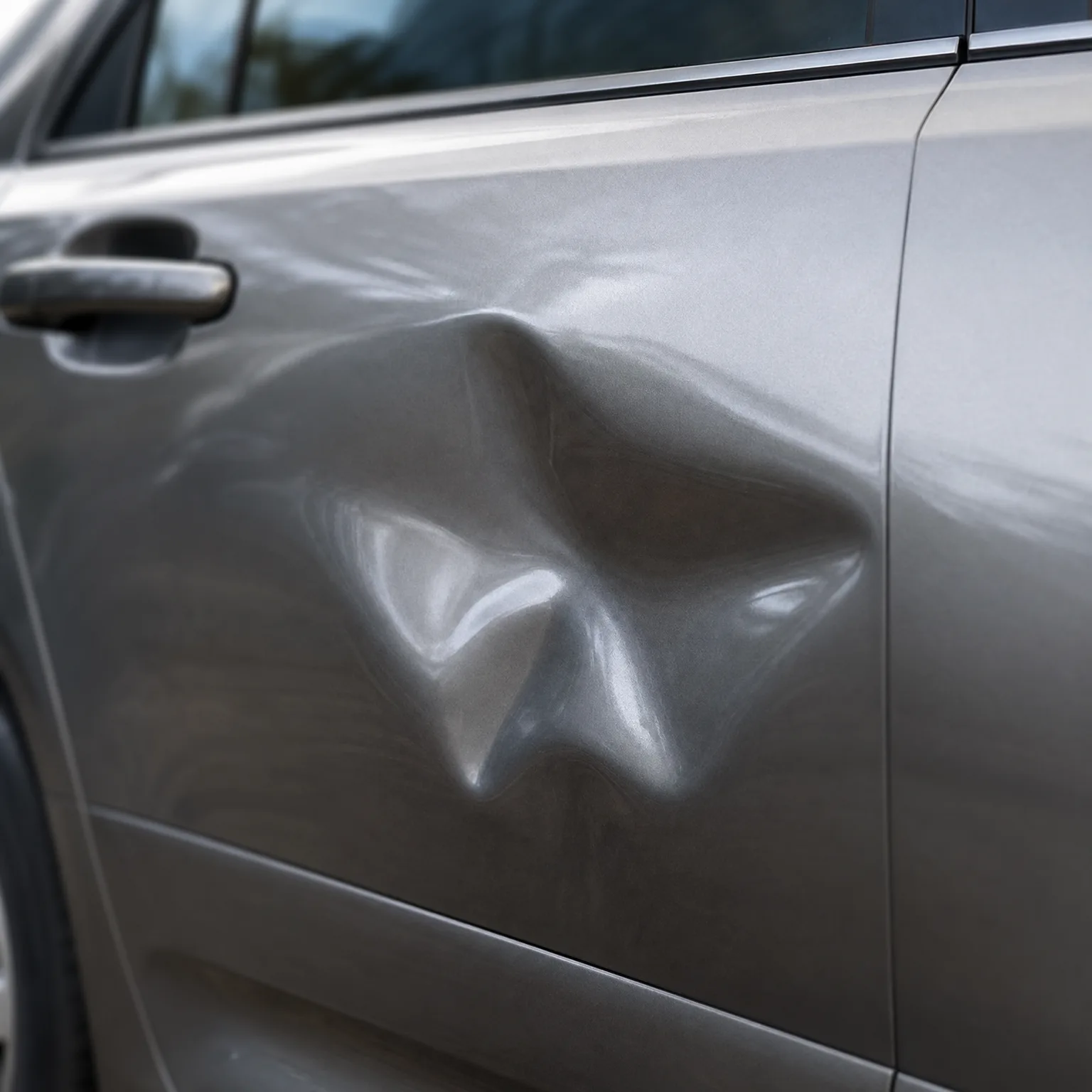
A driver with two accidents in one year
Say you rear-ended someone at a light in the spring, then slid on ice and hit a parked car in the winter. Both were minor, both were your fault, and you filed claims both times because repair costs were more than you wanted to cover yourself. Individually, neither claim seems severe. But your insurer now sees two at-fault accidents within twelve months, and that changes how they view your risk going forward.
Instead of outright cancellation, many insurers would first raise your rate significantly at renewal, since two claims in close succession suggests a pattern worth pricing in. Some might non-renew you instead, meaning they choose not to offer a new policy term once your current one ends, which gives you time to shop around before coverage lapses. If you also had a minor violation, like a rolling stop ticket during the same period, that combination could push things toward non-renewal rather than just a rate hike. The outcome depends heavily on the specific insurer's tolerance and your state's rules on how claims history can be used, so it's worth asking directly what triggered the decision and what your options are for coverage afterward.
Can I get insurance again after being dropped?
Yes, almost always. Being dropped by one insurer doesn't bar you from coverage elsewhere, though your options and price will reflect the higher risk you now represent on paper. Many drivers in this position end up with a non-standard or high-risk insurer that specializes in exactly this situation, and over time, as your record clears, you can usually shop back toward standard coverage.
What matters most is not letting a gap in coverage happen while you search. Driving uninsured, even briefly, makes future insurers see you as even riskier, and some states penalize lapses directly. Get quotes as soon as you know you're being dropped, be upfront about why, and compare what each insurer offers before your current policy ends.
Once you know what's putting your policy at risk, compare quotes now so you're covered before anything changes.

What actually puts your policy at risk
- Missed or late payments This is the single most common reason for cancellation. Set up autopay or calendar reminders so a payment never lapses by accident.
- Multiple at-fault claims A pattern of claims in a short span signals ongoing risk, not bad luck. Consider paying small repairs out of pocket to keep your claims history cleaner.
- Serious violations or suspension A DUI, reckless driving charge, or license suspension can trigger cancellation fast. Resolve any suspension and disclose it honestly rather than letting an insurer find out later.
- Misrepresentation on policy Wrong address, undisclosed drivers, or hidden history can void coverage even after a claim is paid. Update your policy whenever your situation changes, like a new driver in the household.
- Ignoring a non-renewal notice Insurers often warn before non-renewal, not instant cancellation. Read every notice carefully and start shopping the moment you get one.

How long does an accident stay on my insurance record?
It typically stays visible to insurers for several years, though the exact length varies by state and by insurer's own lookback period. During that time it can affect your rate and renewal eligibility, even if the policy itself continues uninterrupted. Check with your insurer directly for how long they weigh past claims, since some weigh recent incidents more heavily than older ones, and the effect generally fades well before the record disappears entirely.
Will my rates go up after one accident even if I'm not dropped?
Often yes, especially if you were at fault or the claim was costly, though a single minor incident sometimes has little effect depending on the insurer. Many insurers offer accident forgiveness for a first incident, which can prevent a rate increase entirely. Check whether your policy includes this, since it varies by insurer and sometimes requires you to have been claim free for a certain period beforehand to qualify.
Should I pay out of pocket instead of filing a claim to avoid being dropped?
It depends on the repair cost versus your deductible and how close you are to a pattern that could trigger non-renewal. If you've already had one recent claim, paying out of pocket for a minor second incident can protect your standing with your insurer. But if repair costs are high, filing the claim and accepting a possible rate increase is often still the more affordable path overall.