Getting Dropped After an Accident
One accident, especially your first, is unlikely to get you dropped, but how it happened and what else is on your record can change that.
Why insurers drop some drivers and not others
Insurers price risk, and a cancellation is their way of saying your risk no longer fits what they're willing to cover at any price. A single accident rarely crosses that line by itself. What matters more is the pattern it fits into. One claim after years of clean driving reads very differently than one more claim on top of several recent ones.
Fault and severity matter too. An accident where you were found responsible, especially one involving injuries or a large payout, weighs more heavily than a minor fender bender or one that wasn't your fault. Insurers also look at how the accident happened. Something that suggests reckless or repeated poor judgment, like a DUI or multiple at fault crashes in a short window, is treated differently than a one time lapse like sliding on ice.
State rules also shape what's possible here. Some states limit when and how an insurer can cancel a policy, especially after it's been in force a while, and require advance notice. Others give insurers more room to decide at renewal. Check your state's rules and your policy's own language on cancellation and non-renewal, since the two aren't always the same thing and carry different notice requirements.
Non-renewal is the more common outcome than mid term cancellation. Instead of dropping you immediately, many insurers simply decline to renew at your next term, which gives you time to shop for new coverage before you're left without any.
The short version
One accident usually won't get you dropped, especially if it's your first and your record is otherwise clean. Insurers look at patterns, fault, and severity, not a single incident alone. File the claim you need to file, then check your state's cancellation and non-renewal rules so you know what notice you're entitled to.
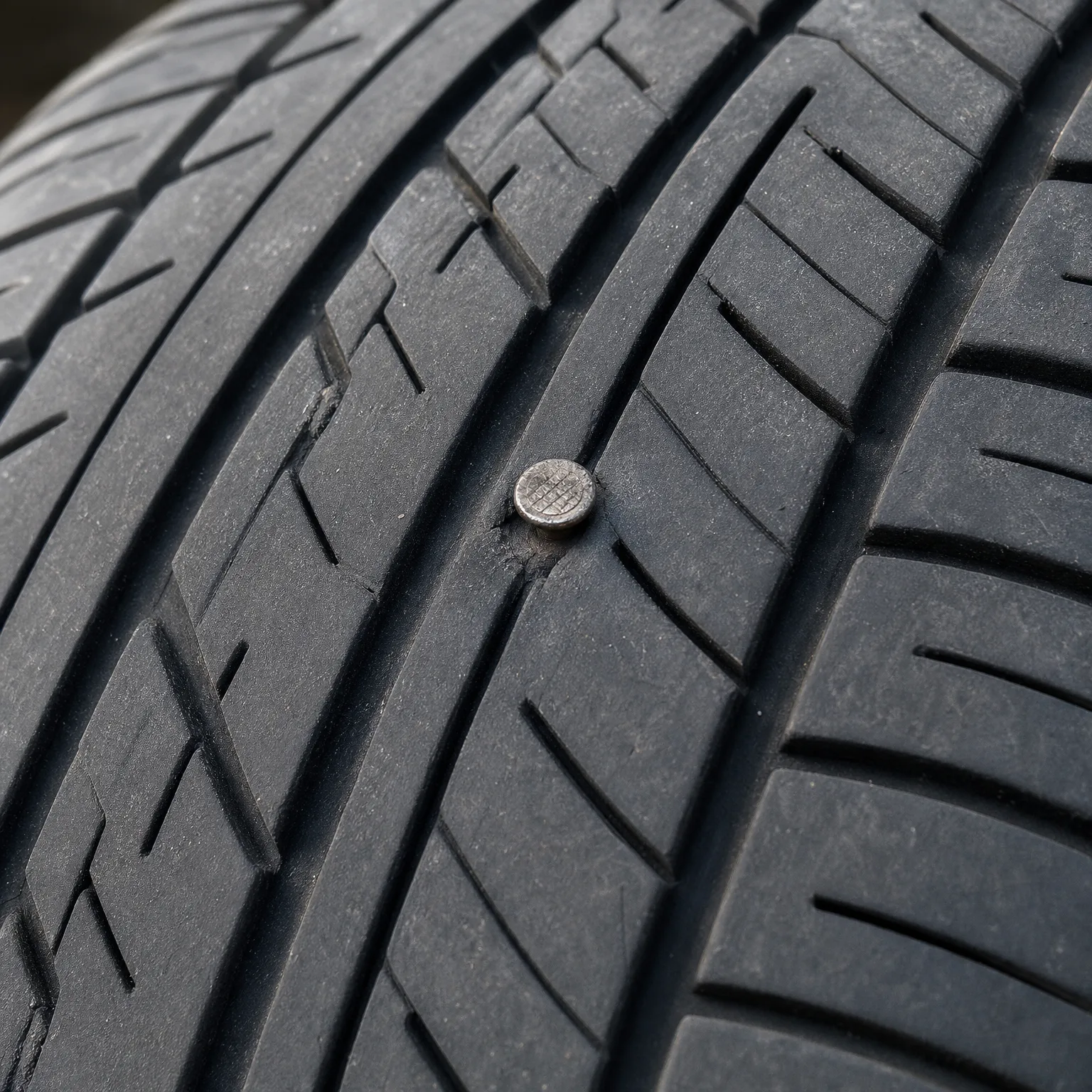
What actually raises your risk of being dropped
- Multiple recent claims One accident is a data point, several in a short span look like a pattern. If this isn't your first recent claim, expect more scrutiny at renewal.
- Fault and severity Being found at fault, especially in a serious or injury accident, carries more weight than a minor no fault claim. Know how fault was determined in your case.
- Your state's rules Some states restrict mid term cancellation and require advance notice before non-renewal. Look up your state's specific protections so you know what to expect.
- Non-renewal vs cancellation These aren't the same thing and follow different rules. Read your policy to see which applies to your situation and what notice period you're owed.
- Shopping before you're dropped If your insurer signals it may not renew, start comparing quotes early. Having coverage lined up before a gap protects your driving record and your rates elsewhere.
Once you know where you stand with your current insurer, compare quotes now so you have options lined up either way.
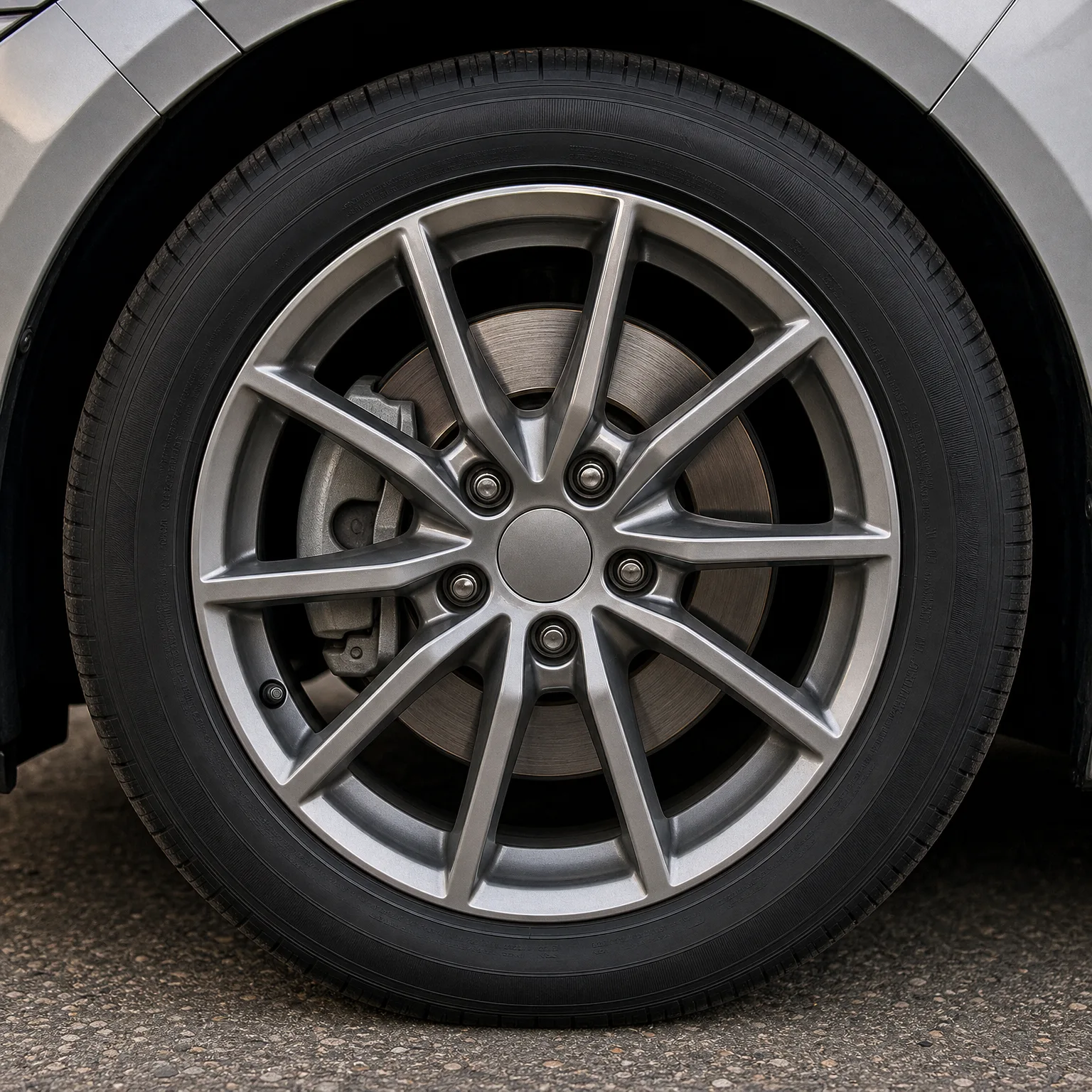
A driver who slid on ice and worried about losing coverage
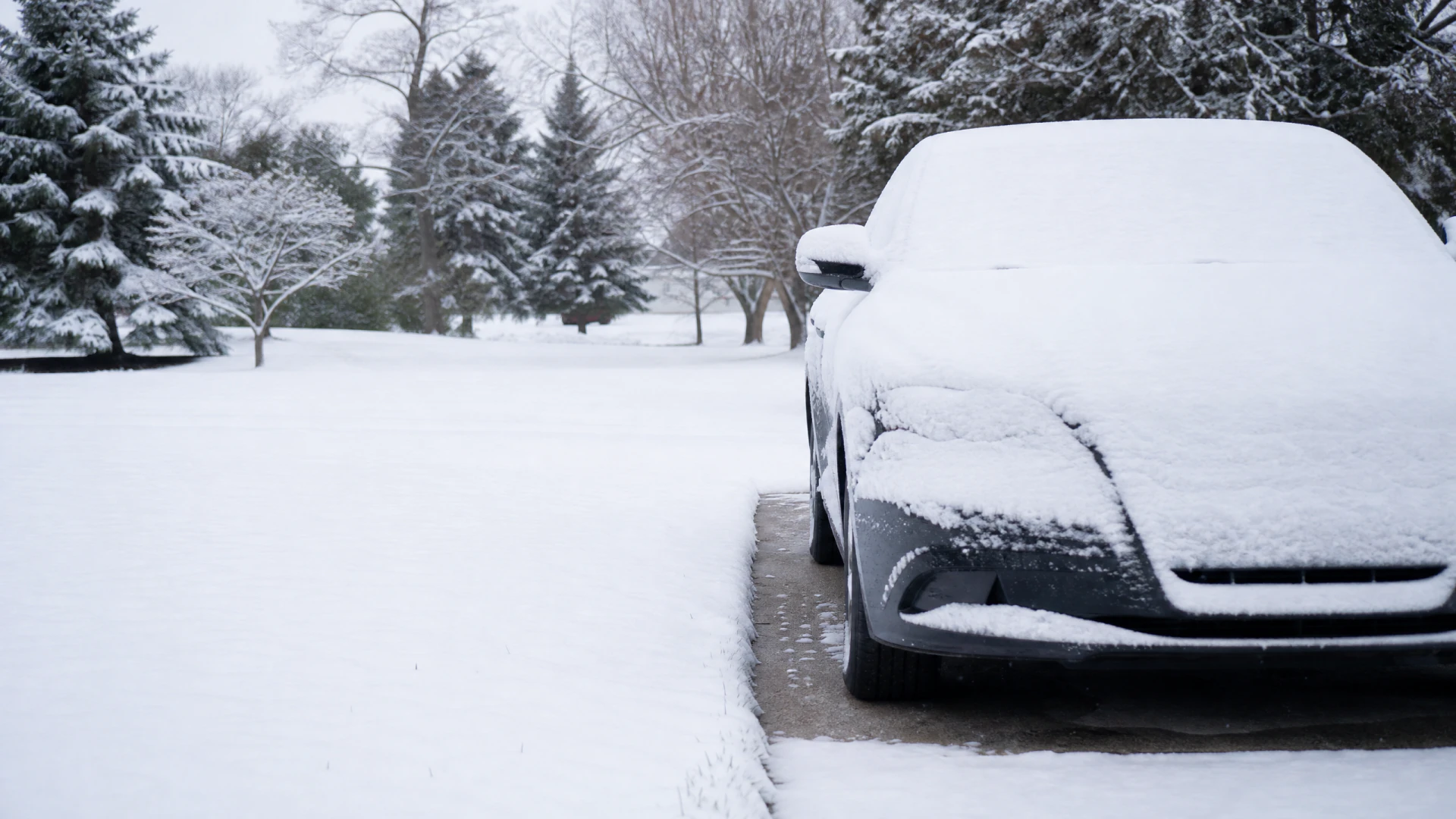
A driver with eight years of clean history hit a patch of ice, slid into a parked car, and caused moderate damage. They were shaken and assumed a claim like this, even though it wasn't reckless driving, would get them dropped at renewal. They filed the claim because the damage exceeded what they wanted to pay out of pocket, and they called their insurer to ask directly about renewal risk.
The insurer explained that a single claim on an otherwise clean record, without injuries and without a pattern of prior incidents, is exactly the kind of accident that insurers are built to absorb. Their premium went up at renewal, but they weren't cancelled or non-renewed. They used the time before renewal to compare quotes anyway, partly to see if a lower starting rate elsewhere would offset the increase. It didn't change their decision to stay, but it gave them confidence they weren't stuck.

It's not the accident that gets you dropped, it's what the accident reveals about your pattern of risk.
If I do get dropped or non-renewed, will it be hard to find new coverage?
It will likely cost more for a while, but it won't be impossible. Insurers that specialize in higher risk drivers exist specifically for people coming off a cancellation, non-renewal, or a run of claims, and most drivers in this position do find coverage, often within days.
What changes is the price and the selection. Some standard insurers may decline to offer you a policy right after a non-renewal, especially if the reason involves multiple claims or a serious at fault accident. Shopping around matters more here than usual, since pricing for higher risk drivers varies a lot between insurers. As time passes without new incidents, you'll typically requalify for standard coverage and better rates again, so this stage is usually temporary rather than permanent.