Does Someone Always Get a Ticket in an Accident
No, tickets are only issued when an officer finds a traffic law was broken, not just because a crash happened.
Why a ticket depends on the law broken, not the crash itself
A citation is a legal charge that someone violated a specific traffic law, like following too closely or failing to yield. An officer has to witness the violation or find clear evidence of it to write one. Plenty of accidents happen without any law being broken in a way that's provable, so no ticket follows even though a car is damaged.
Fault for insurance purposes works differently and doesn't require a ticket at all. Insurance companies decide fault by reviewing statements, damage patterns, witness accounts, and sometimes traffic camera footage. They can assign you most or all of the fault even if you were never cited, and you can be ticketed without being found mostly at fault once the claim is reviewed.
Whether an officer even responds affects this too. Many minor accidents, especially ones with no injuries, get settled between drivers with no police report filed. Without an officer on scene, there's no one with the authority to issue a citation, so the absence of a ticket in that situation says nothing about who was at fault.
State law also shapes this. Some states require police to respond and file a report above a certain damage threshold, others leave it to the drivers. Check your state's reporting rules and your insurer's expectations for what documentation they want, since that affects how your claim gets evaluated even without a ticket in hand.
The short version
A ticket requires an officer to find a specific law was broken, while fault is a separate judgment your insurer makes using evidence and statements. You can have one without the other. Focus less on whether a ticket was issued and more on documenting the scene and reporting accurately to your insurer.
A rear-end crash at a light with no officer and no citation
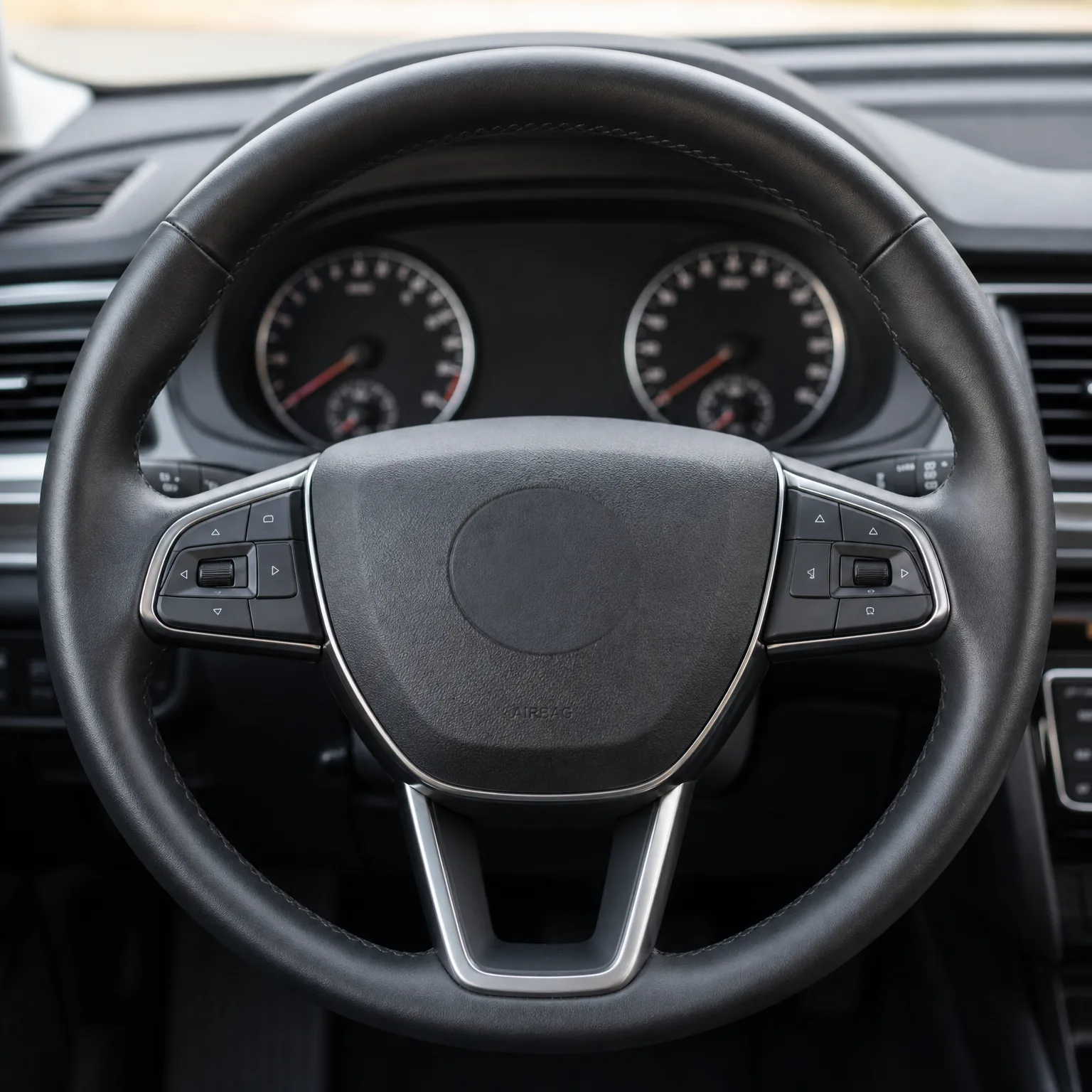
You tapped the bumper of the car ahead when traffic stopped short at a yellow light. Both cars had minor damage, nobody was hurt, and you and the other driver agreed to exchange information rather than wait for police. No officer came, so no ticket was written for either of you.
When you filed your claim, the insurer still reviewed the damage pattern and your statement describing following distance and braking. Rear-end accidents are commonly presumed to be the following driver's fault, and the insurer leaned that way even without any citation on record. The claim moved forward based on that evidence alone, and the lack of a ticket had no bearing on how fault was assigned or how the claim was paid out.
Knowing fault and tickets are judged separately, you can compare quotes with a clearer sense of what follows you.

What actually determines fault after your accident
- Officer presence matters If police came to the scene, their report carries weight even without a citation. Ask for the report number and request a copy for your records.
- Your statement counts heavily What you tell the insurer becomes part of the evidence they weigh. Stick to specific, factual details about speed, distance, and road conditions.
- Damage patterns tell a story Adjusters read the physical evidence on both cars. Take clear photos from multiple angles before the cars are moved or repaired.
- Witnesses can outweigh citations A credible witness account can shift fault even if no one was ticketed. Get contact information for anyone who saw the accident happen.
- State rules affect reporting Some states mandate police reports above a damage amount, others don't. Check your state's requirement so you know whether to expect an officer at all.
Stop watching for a ticket to tell you who's at fault. Your insurer decides that from the evidence.
Can I still be sued if I didn't get a ticket?
Yes, you can still be sued even without a citation. A ticket is a criminal or civil traffic charge handled by the state, while a lawsuit is a separate civil action the other driver brings to recover damages they believe your actions caused. The two are independent of each other.
What matters most for a lawsuit is whether the other driver can show you were negligent and that this caused their damages or injuries. A missing ticket doesn't protect you from that claim, and a ticket you did receive doesn't guarantee you'll lose. Your insurance policy's liability coverage is what responds to a lawsuit, so understanding your limits matters more here than whether a citation was ever written. If you're worried about a potential lawsuit, review your liability limits with your insurer and ask what additional coverage is available.