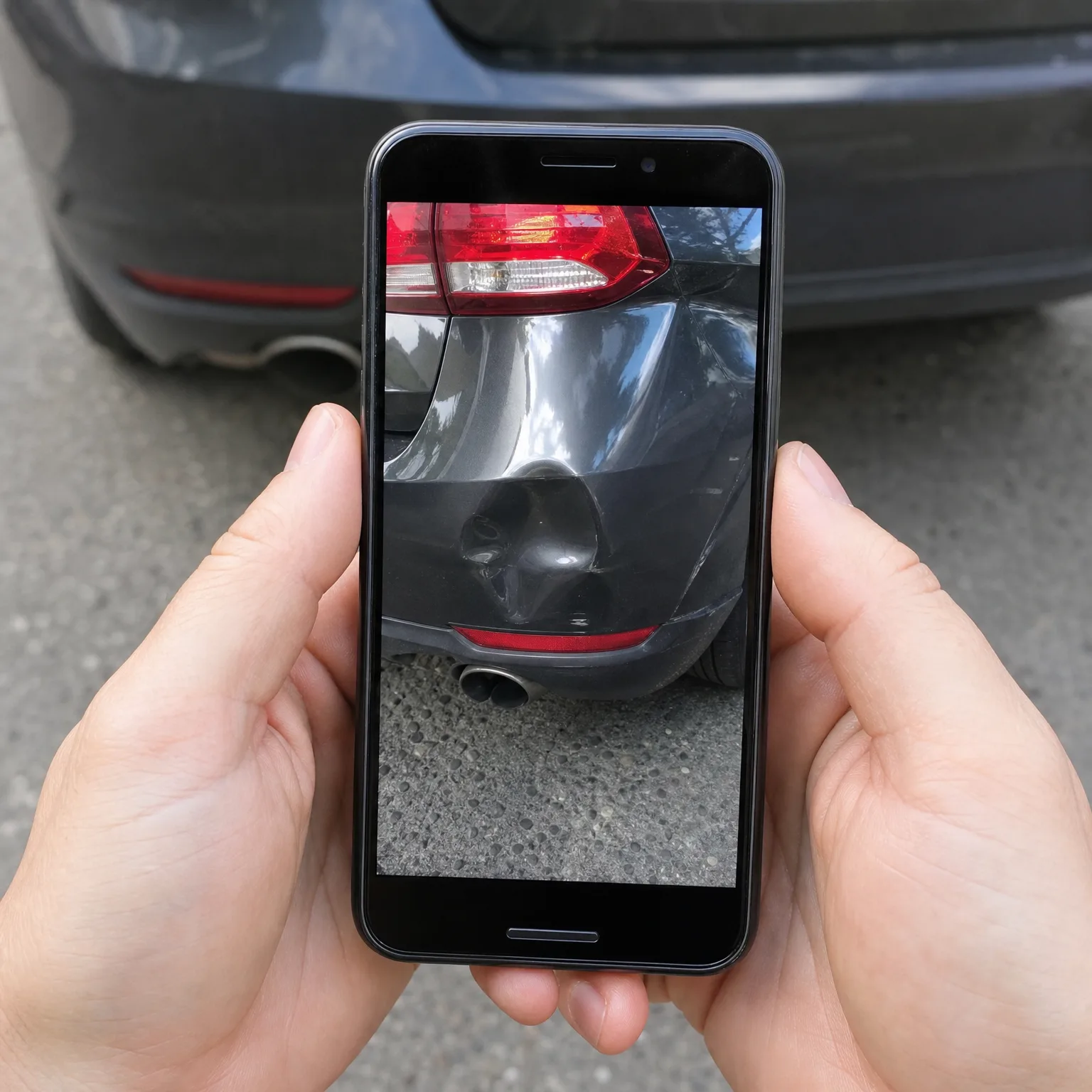
Does My Credit Card Cover Rental Car Insurance
Some credit cards cover rental damage, but usually only as secondary, limited coverage, so check your card's terms first.
Why the answer depends on your specific card and how you pay
Credit card rental coverage exists because card issuers add it as a perk, not because of any law requiring it. That means every issuer decides for itself whether to offer it, what it covers, and how much protection it gives. There is no universal rule here, which is why you can't assume your card works the same way a friend's card does, even if both are the same card network.
Most cards that offer this benefit require you to pay for the entire rental with that specific card and decline the rental company's collision damage waiver. If you use a different card for part of the payment, or you accept the rental agency's waiver, you can void the coverage without realizing it. The coverage also usually applies only to the rental vehicle itself, covering damage or theft, not injuries to people or damage to other cars or property.
Many card benefits are secondary coverage, meaning they pay only after your personal auto policy responds first. Some premium cards offer primary coverage, which pays first without involving your own insurance. This distinction matters because secondary coverage can still mean a claim on your auto policy, while primary coverage keeps the incident off your insurance entirely.
Exclusions vary by issuer too. Many cards exclude trucks, vans, luxury vehicles, long rentals, and rentals outside your home country. Some require you to decline all other collision coverage to qualify. Because these terms differ so much, the only way to know what you actually have is to read your card's guide to benefits or call the number on the back of your card before you rent.

What to check before you count on your card's coverage
- Primary or secondary coverage This determines whether your auto insurance gets involved at all. Ask your card issuer directly which type you have before you decline the rental company's waiver.
- Payment method required Coverage usually requires paying for the full rental with that exact card. Confirm this before booking, and don't split payment across cards or use points.
- Vehicle and trip exclusions Trucks, vans, exotic cars, and long rentals are often excluded. Check your card's guide to benefits for the specific list.
- What's covered beyond the car Card coverage typically skips liability for other people or property. Confirm you have separate liability protection through your auto policy or another source.
- How to file a claim If damage happens, you'll need documentation from the rental company and a claim filed with the card issuer, not just your auto insurer. Save every receipt and the rental agreement.
A renter who assumed their card had them covered
You rent a car for a weekend trip and skip the rental company's damage waiver because you remember hearing your credit card covers rentals. On the third day, someone backs into the car in a parking lot while you're inside a store, denting the rear bumper. You report it to the rental company before returning the car, as required, and they send you a damage bill.
You call your card issuer to start a claim and learn the coverage is secondary, meaning your personal auto policy has to respond first before the card benefit kicks in for anything left over. You end up filing with your own insurer, which means the claim shows up on your record even though you weren't at fault for someone hitting your parked rental. Because you paid for the entire rental with that card and didn't accept the rental agency's waiver, the benefit still applies and eventually covers the remaining cost after your auto policy pays its share. But the process takes weeks longer than expected, and you realize you should have called the issuer before the trip to understand exactly how the coverage worked.
Once you know what your card actually covers, compare auto insurance quotes to fill the gaps with confidence.
Should I just buy the rental company's insurance instead?
It depends on how much certainty you want versus how much you want to save. The rental company's collision damage waiver is usually primary and immediate, meaning it pays without involving your personal auto policy or requiring you to front any costs. That simplicity has value, especially if you don't want to deal with claims processes or risk a mark on your auto insurance record.
If your credit card offers primary coverage with few exclusions and you've confirmed the details with your issuer, you can reasonably skip the rental agency's waiver and save that cost. But if your card only offers secondary coverage, or you're unsure of the exclusions, paying for the rental company's protection removes the guesswork. The right choice depends on how confident you are in your card's terms and how much risk you're willing to carry yourself.

Does credit card rental coverage include liability for injuries to other people?
No, most credit card rental benefits only cover damage to the rental vehicle itself, not injuries or damage you cause to others. For liability protection, you generally need your own auto insurance policy or a separate liability purchase from the rental company. Check your card's benefit guide to confirm, since this exclusion is nearly universal across issuers.
Will a rental car accident raise my personal auto insurance rates?
It can, if you file the claim through your personal auto policy rather than the rental company's coverage or your credit card's benefit. Whether your rates rise depends on your insurer's policies on at-fault accidents and how the claim is recorded. Using primary credit card coverage or the rental company's waiver can help you avoid touching your own policy entirely.
What happens if I decline the rental company's insurance and my card doesn't cover it?
You would be responsible for the full cost of any damage or theft out of pocket, since neither your card nor the rental waiver would apply. This is why confirming your card's coverage before declining the rental company's offer matters so much. If you're ever unsure, it's safer to accept the rental agency's waiver or call your card issuer first.